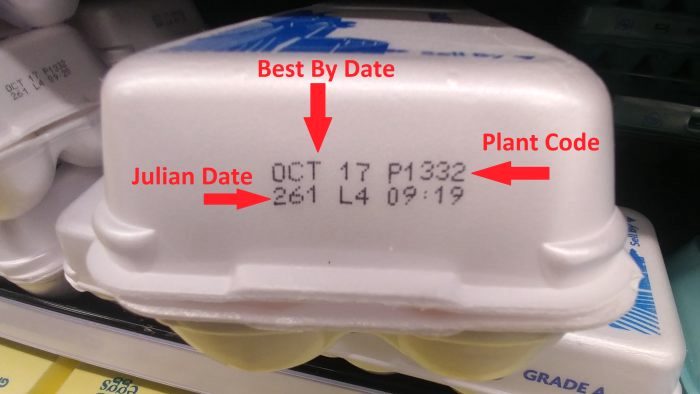
Your sense of smell is smarter than any printed date. Crack an egg into a clean bowl and give it a sniff. A fresh egg has almost no smell at all—just a faint, clean scent. If you get a whiff of something sulfurous, funky, or just “off,” trust your gut and toss it.
That rotten egg smell is hydrogen sulfide, and it’s nature’s way of saying, “This one’s for the compost pile.” But don’t worry—if an egg is truly bad, you’ll know instantly. Your nose won’t play games with you.
I had a friend who kept eggs in her fridge for two months because she “forgot.” She cracked one open, it smelled like a swamp, and she laughed it off. She didn’t get sick—she just learned a lesson about labeling things. You probably haven’t forgotten that long, so you’re ahead of the game.
The Fridge is Your Friend
Eggs like consistency. They’re happiest when kept in the coldest part of the fridge—not the door. Store them in their original carton, too. That cardboard absorbs odors and keeps the shells from drying out. It’s a simple habit that buys you more time.
 How Long Can You Eat Eggs After The Sell Date: The Ultimate 2026...
If you refrigerate eggs properly, they can last five weeks past the pack date. That’s like buying eggs for Easter and enjoying them well past Memorial Day. Just check them before you cook, and you’re golden.
Ever notice how European countries often keep eggs on the counter? That works for them because they’re not washed the same way. American eggs are washed and need the fridge to stay safe. So don’t get any ideas about leaving them out—unless you want a science experiment.