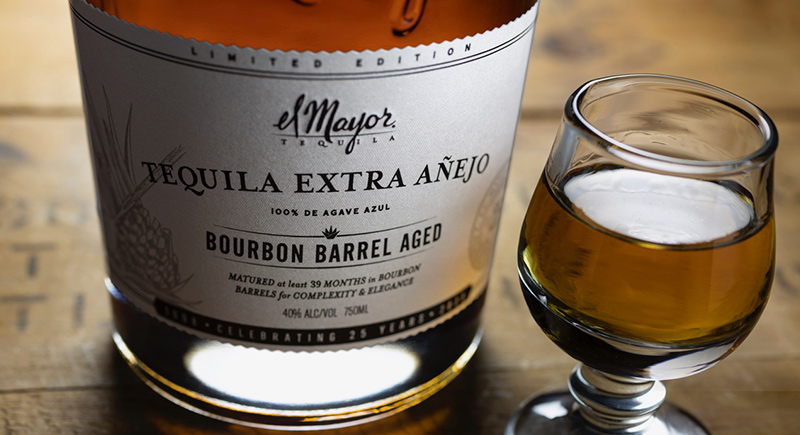
If you’re new to extra añejo, start with a bottle aged around three to four years. Brands like Don Julio 1942 (aged 2.5 years) are technically añejo, but many consider it an introductory extra añejo. For the real deal, try Tequila Ocho Extra Añejo or Fortaleza—both clock in at three to five years.
 Aging Tequila and Mezcal: How Time Transforms Agave Spirits
Price is a clue: a good extra añejo rarely costs under $80. Anything cheaper is likely cutting corners with younger spirits or artificial flavorings. Invest in quality, and your taste buds will thank you.
A Cultural Connection
In Mexico, extra añejo is often reserved for special occasions—weddings, milestones, or quiet evenings of reflection. It’s not a shot-for-the-party drink; it’s a sipping tequila, meant to be savored in a wide-brimmed glass.
Fun cultural fact: the word “añejo” actually comes from the Spanish añejar, meaning “to age” or “to make old.” There’s a beautiful irony in that—something old becomes new every time you open the bottle.

