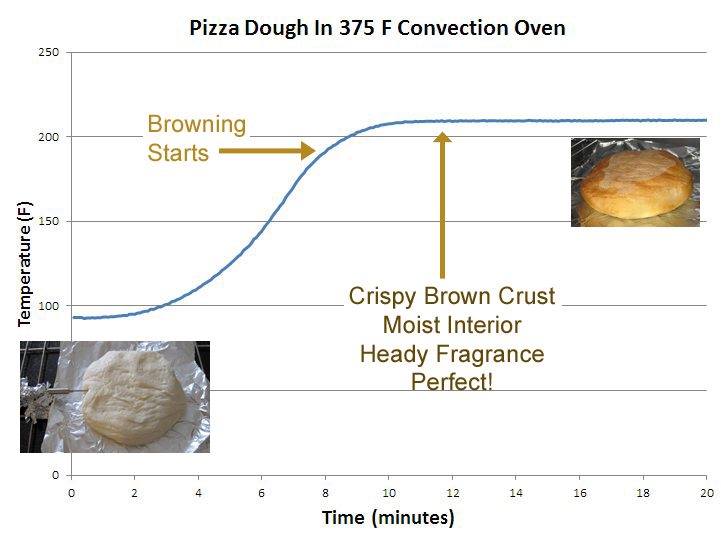
Your dough will tell you the right temperature if you listen. A too-low temp (under 400°F) makes the dough bake slowly, turning it into bread—dense and bready, not snappy and light. A too-high temp (over 550°F) will burn the toppings before the crust sets.
Think of it like this: temperature controls texture. High heat = rapid rise + crispy exterior. Lower heat = slower rise + softer interior. The ideal is a balance—a crust that crackles when you fold it but still has a soft, airy crumb.
Want restaurant-quality results? Blind bake your dough for a super-crisp base. Par-bake the crust at 450°F for 5 minutes with just sauce, then add toppings and finish at 500°F. This trick prevents that dreaded soggy bottom.
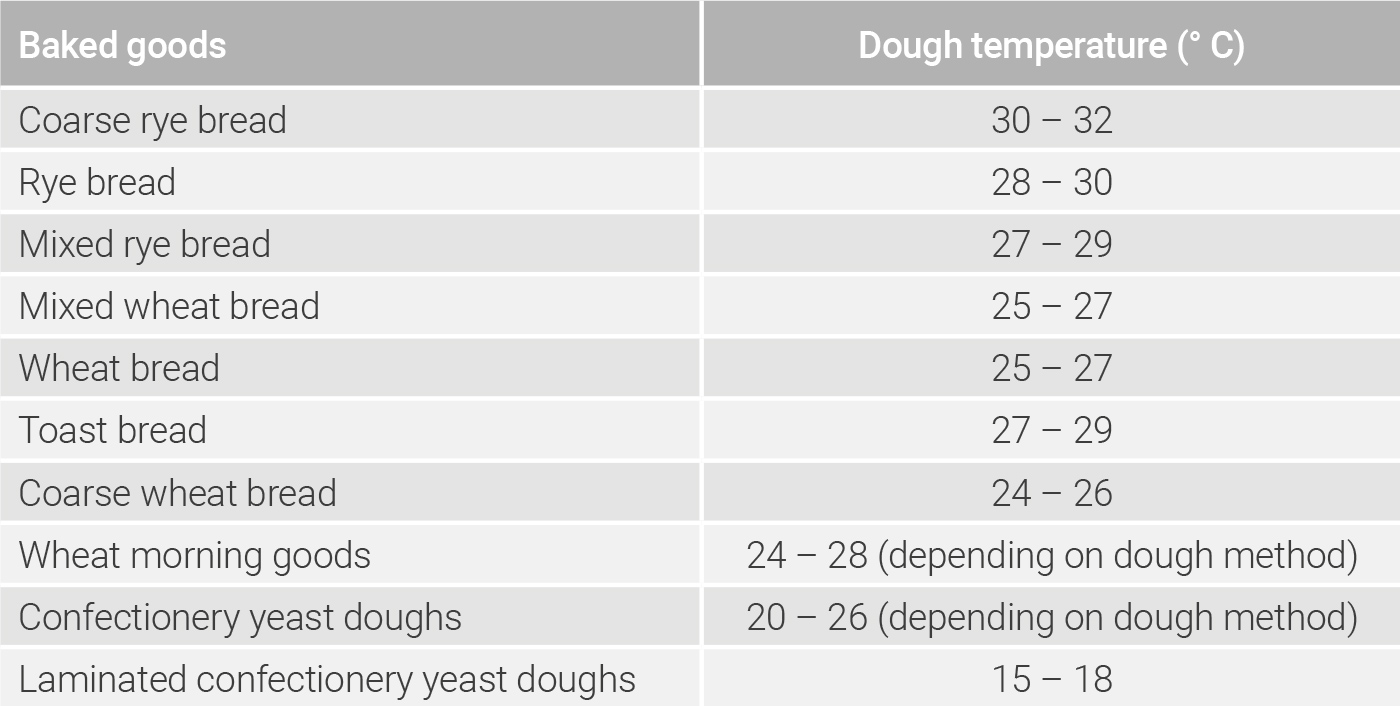 Dough temperatures: The IREKS Compendium of Baking Technology
Practical Tips from a Home Oven Hero
First, don’t use a cold pizza stone. Always slide it in during the preheat. Second, invest in an oven thermometer—your dial might read 500°F, but the real temp could be off by 50 degrees. Consistency is king.
Cultural side note: In Naples, they say the dough must “sing” in the oven—a sizzle that means the moisture is hitting the hot stone. If your dough is silent, your temp is too low. Listen for that happy crackle.
For frozen dough or store-bought balls, let them come to room temperature for 30 minutes before baking. Cold dough shocks the stone and ruins the rise. It’s like trying to jog right after waking up—technically possible, but not pretty.

