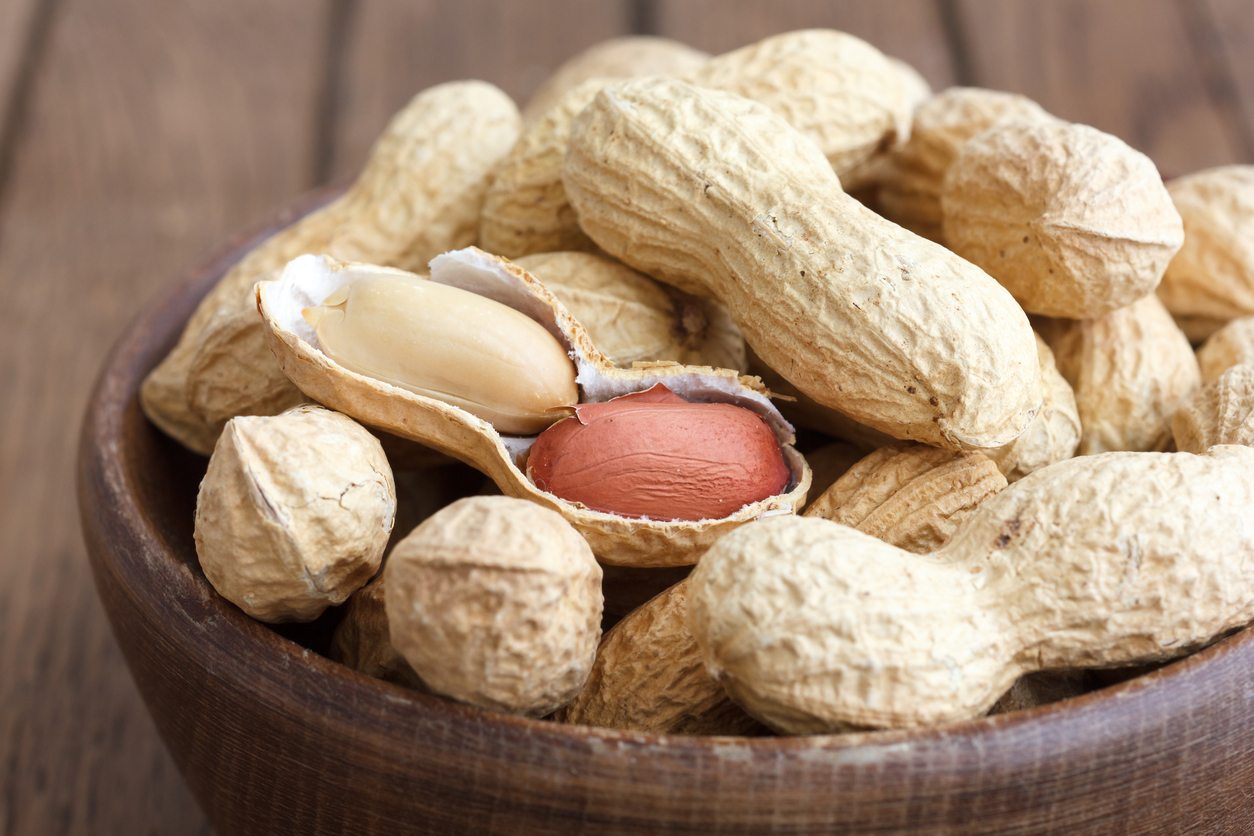
Now, here’s where the plot thickens—like shell dust in your coffee. Peanuts grow underground, so their shells come pre-seasoned with actual dirt, dust, and whatever microbe is having a picnic on that soil. More importantly, peanut shells often carry trace amounts of pesticides used during farming. Eating the shell means you’re also chomping on a little chemical cocktail that farmer Bob sprayed last spring. Not great, but your liver can handle small amounts—just don’t garnish your next fancy dinner with them.
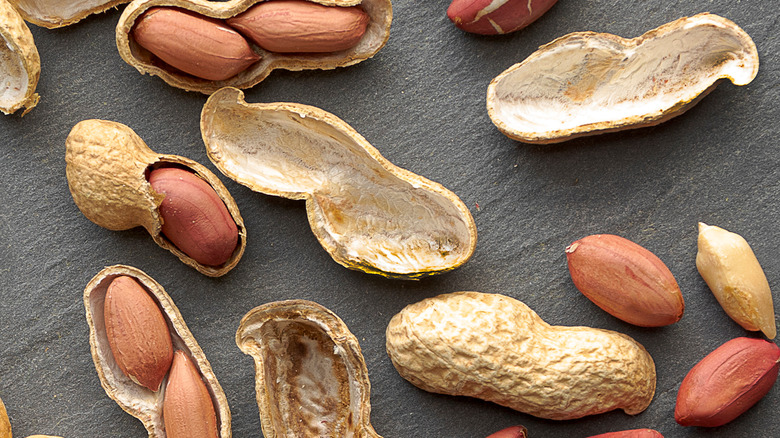 Is Consuming Peanut Shells Safe?
And let’s not forget aflatoxins. These are naturally occurring, mildly toxic compounds produced by mold that can grow on peanuts (and their shells). The good news? Commercial processing keeps levels well below safe limits. But if you’re munching on an old, dusty shell from the bottom of that bag last purchased during the Obama administration? You’re playing a game of microbial roulette. Spoiler: you usually lose with an upset stomach.