
Here’s where it gets cool (and a bit terrifying): the virus moves at about 5 to 100 millimeters per day along your nerves. That’s slower than a snail on a lazy afternoon. Imagine a package taking weeks to arrive—that’s rabies.
During this time, you feel perfectly normal. No fever, no headache—just you, going about your life. It’s like a countdown timer you can’t see, and that’s why post-exposure shots are so effective if given early.
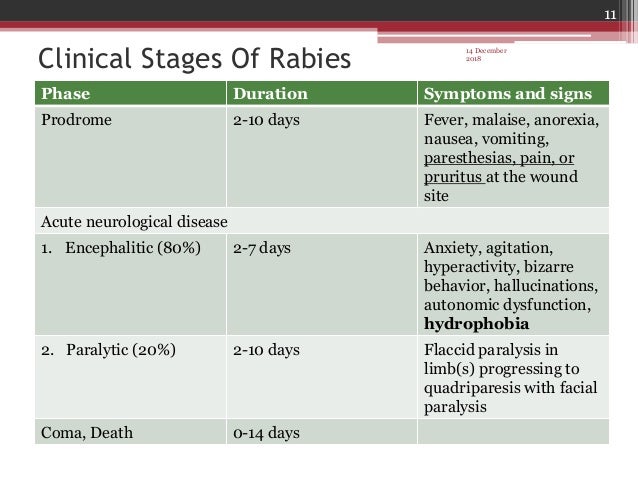
But here’s the catch: once symptoms do appear—like anxiety, confusion, or hydrophobia (fear of water)—it’s usually too late. The virus has reached the brain, and the fatality rate skyrockets to nearly 100%.
 Rabies
Why Do Some Cases Take Years?
Yes, there are rare reports of symptoms showing up years after the bite. Think 4, 6, or even 8 years later—like a ghost from the past. Scientists think it might happen when the virus enters a dormant state in the muscle or a very slow nerve pathway.
But don’t lose sleep over it. The average incubation is 20 to 90 days, and anything longer than a year is an extreme outlier. You’re more likely to get struck by lightning while winning the lottery—twice.

