
Did you know that your internal temperature can ebb and flow with your daily habits? A typical “normal” range for a healthy adult actually spans from about 97°F (36.1°C) to 99°F (37.2°C). So if you wake up feeling a bit cool, that’s just your body saving energy for the day’s adventures.
Age matters too. Children often run a little warmer—their tiny engines are revving at full speed. Meanwhile, the elderly might clock in a bit cooler, because their internal furnaces burn with less gusto. It’s not a bug; it’s a feature of life’s timeline.
Even your mood can nudge the needle. Stress, excitement, or a heated argument can raise your temp, as if your emotions are stir-frying your cells. And ladies, you know that monthly visitors can bring on a low-grade fever too—Mother Nature’s own special effect.
What Actually Changes Your Number?
Let’s play a game of “Guess the Thermometer.” You ate a spicy burrito? Your temp might pop up as your body processes the heat. You just ran a mile? You’re a walking radiator. Activity and metabolism are temporary temp boosters—and that’s perfectly fine.
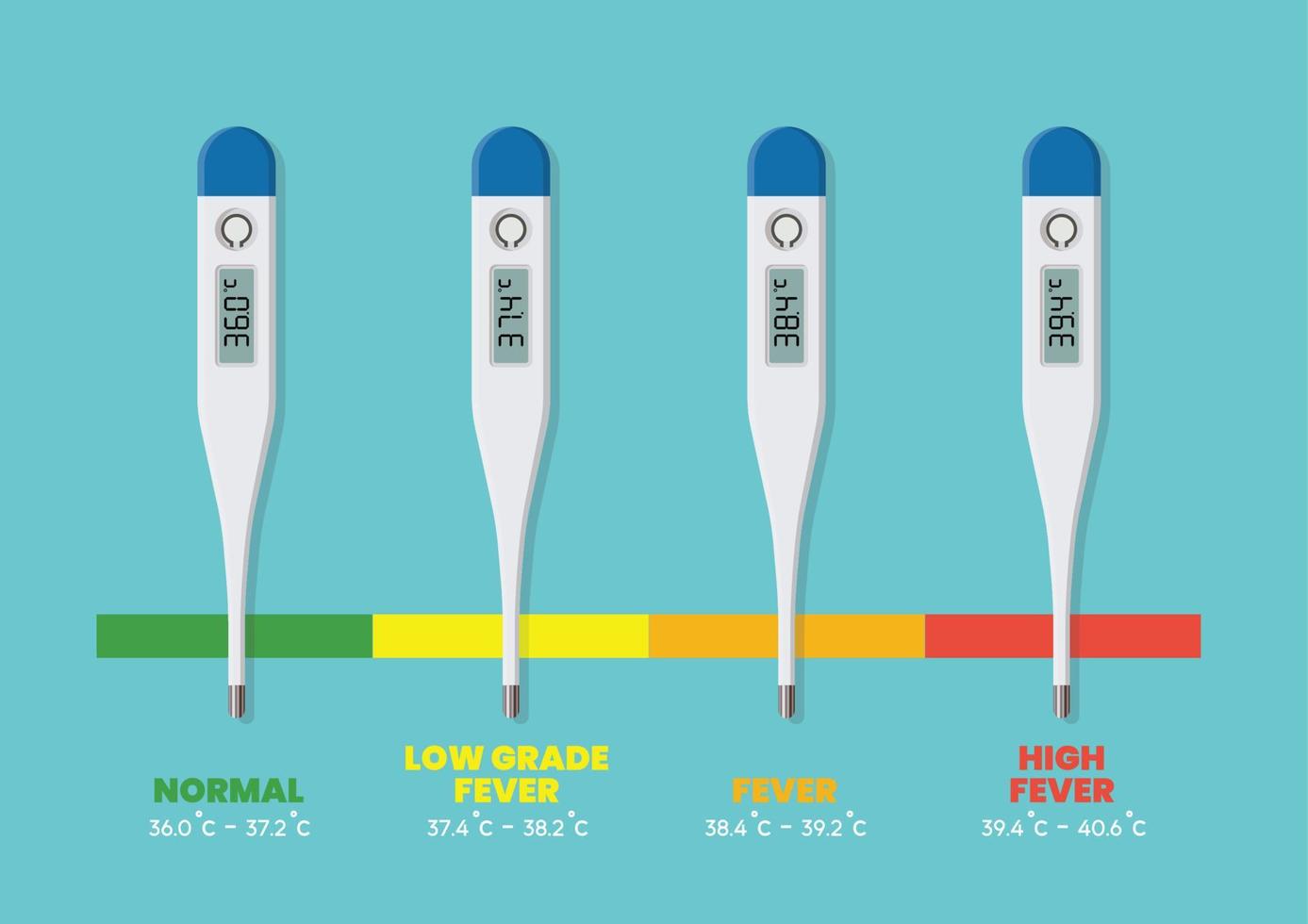 Body Temperature Diagram Understanding Your Basal Body Temperature
Even time of day matters. Morning temps often hover near 97°F, while late afternoon ones can hit 99.1°F. So if you feel warm at 4 PM, don’t panic—you just have a solar-powered afternoon glow. It’s biology, not a crisis.
And here’s the kicker: how you take your temperature changes the reading! An ear thermometer gives a different number than a forehead scan or an under-the-tongue classic. Consistency is key—so pick one method and stick with it, like your favorite coffee order.

