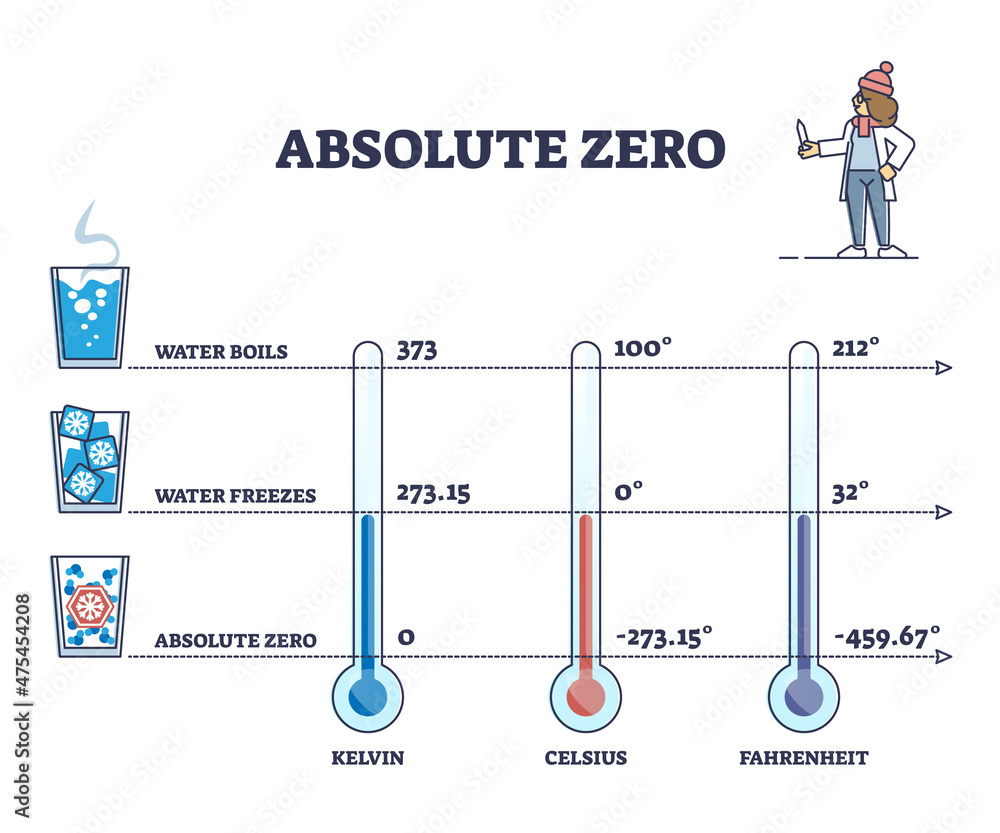
Pure water freezes at 32°F at standard atmospheric pressure. That “standard pressure” part is key—if you’re standing on a mountaintop, water can freeze at a slightly higher temperature because the air is thinner.
But for most of us living at sea level or in a city apartment, 32°F is the magic line. When the mercury dips below that, liquid water turns solid, forming those crystals we call ice.
Fun fact: if water were perfectly pure and undisturbed, it could actually “supercool” to minus 40°F before freezing. But in real life? Tap water has impurities—minerals, dust, air bubbles—that give ice a place to start forming at 32°F.

