
People panic because they think brown sugar = more moisture. False. Both light and dark brown sugar are hygroscopic—they attract and hold moisture. The difference is negligible.
Your cookies will still be soft. Your banana bread will still be tender. The only thing that changes is the flavor profile, not the texture. (Unless you leave the bag open for a week, then you’re dealing with a brick. But that’s a different problem.)
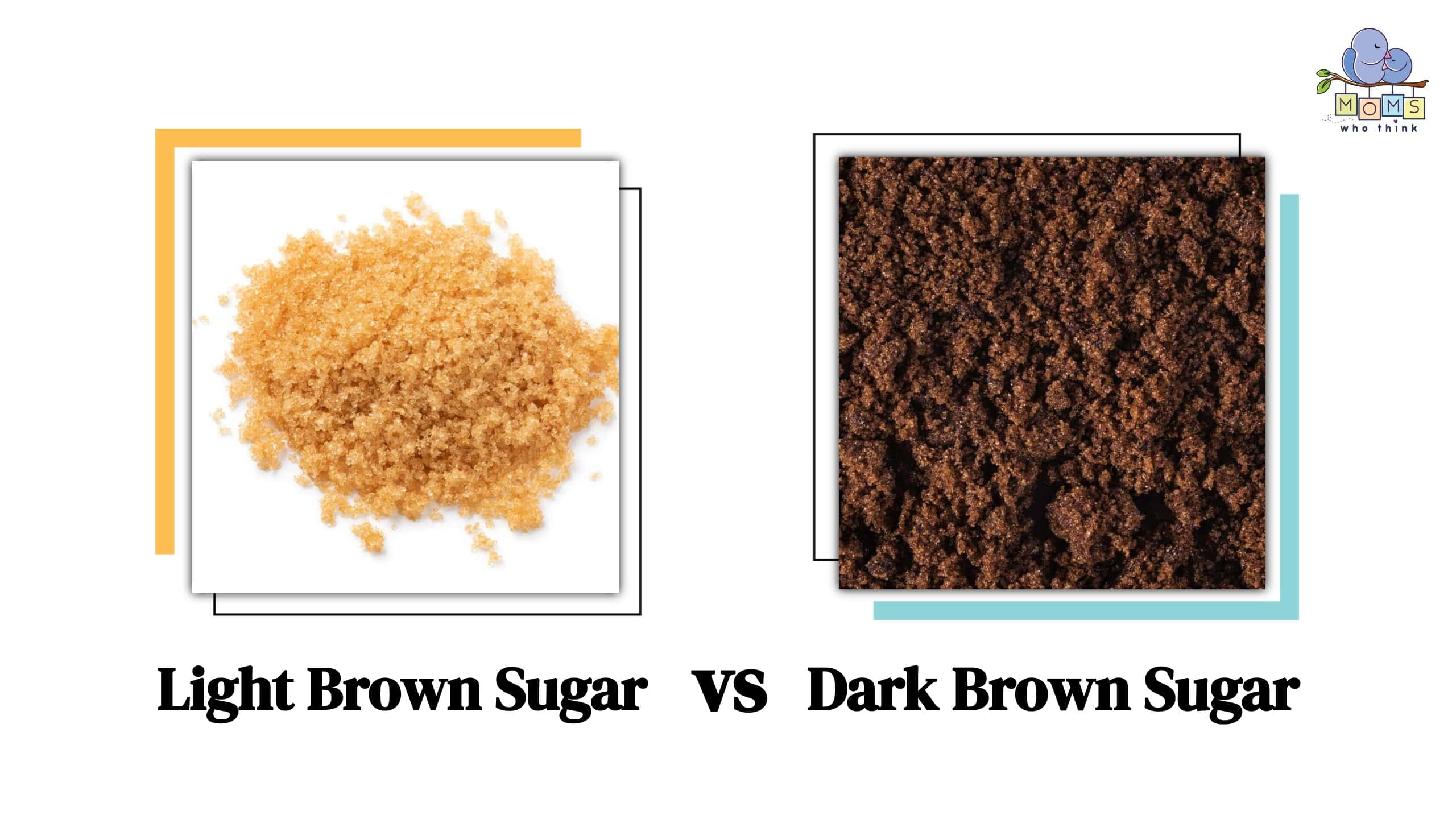 Baking Basics Light Brown Vs Dark Brown Sugar Differences Explained
So if you’re out of dark and have light, go ahead. Just add a tiny splash of vanilla or a pinch of molasses if you’re feeling fancy—but honestly, you don’t need to.
The “But My Recipe Says Dark Brown Sugar” Trap
I get it. You’re following a recipe like it’s a sacred text. But here’s the truth: most home cooks don’t have both sugars on hand. Professional bakers might, but you and I? We buy what’s on sale.
If a recipe specifically calls for dark brown sugar, use it if you want that robust molasses kick. But if you swap in light, you’re not ruining dinner. You’re just making a slightly subtler version. (And no one will ever know. Your secret is safe with me.)
In fact, I’ve done a blind taste test with friends. Three out of four couldn’t tell the difference in a standard chocolate chip cookie. The fourth said it was “less deep.” But he also thinks pineapple belongs on pizza, so take that with a grain of salt.

