
Here’s the kicker: Most "vanilla extract" is actually imitation. It’s made from a wood-pulp byproduct called lignin. Yes, wood pulp.
It tastes like vanilla-ish. It smells vaguely like a candle. But it’s cheap, and it’s in almost everything we eat.
Real extract uses real beans. The cheap stuff uses a chemical called vanillin. Vanillin is real, but it’s only one of 250 flavor compounds in a real bean.
It’s like hearing a single piano note versus a full orchestra. The cheap stuff is a plink. The real stuff is a symphony.
Funny facts to impress your friends
Vanilla orchids are sex maniacs. They only flower for one day, and they require a specific species of bee to pollinate them. In Madagascar, workers pollinate them by hand with a tiny stick. By hand!
That’s why real vanilla is so expensive. It’s basically insect-assisted, human-driven madness. No wonder it’s the second most expensive spice after saffron.
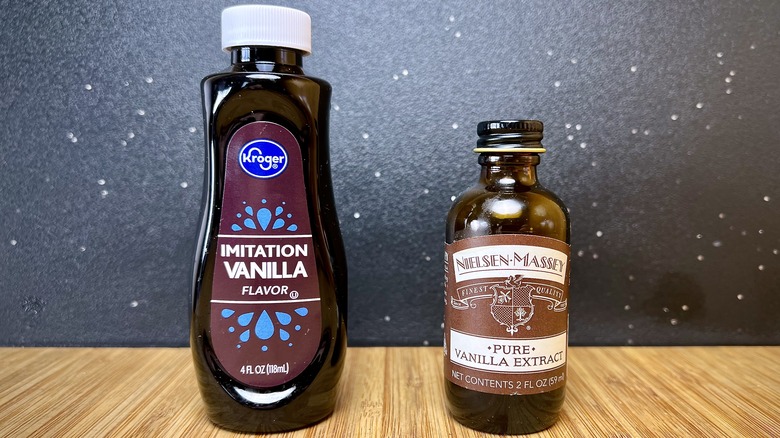 Pure Vs. Imitation Vanilla Extract: Is It Worth Spending More For The
Also, vanilla is not boring. It’s sexy. The Aztecs used it as currency and as a royal aphrodisiac. Monarchs drank it in their chocolate. It was the OG power drink.
And here’s a wild one: The lick test. Go ahead, taste a drop of pure extract. It’s bitter, hot, and medicinal. It tastes like a failed science experiment.
Now taste a drop of imitation extract. It’s sweet, syrupy, and smells like a carnival. Which one would you eat? The gross one. Always the gross one.
The alcohol evaporates in the oven, leaving only pure flavor. The cheap stuff leaves a cloying, fake sweetness. Gross.

