Excel’s secret weapon is a simple function called =AVERAGE(). Think of it as a polite robot that asks, “Which numbers do you want me to average?” Then it adds them up and divides by the count faster than you can blink.
Imagine you’re tracking your weekly grocery spending: $85, $92, $78, and $105. Instead of grabbing your phone’s calculator, just type =AVERAGE( and highlight those cells. Boom—Excel spits out the average, and you can see if you’re within budget or if it’s time to start coupon clipping.
It’s not just for money, either. You can average your daily steps, the number of books you read each month, or even the hours you spend scrolling through cat videos. No judgment here.
How to Actually Do It (It’s Embarrassingly Easy)
Open a fresh spreadsheet. In column A, type a few numbers—say, test scores from a recent quiz: 88, 92, 76, 95, and 84. Now click the empty cell where you want the average to appear, and type =AVERAGE(A1:A5) (assuming your numbers are in cells A1 through A5).
Hit Enter, and watch the magic happen. The cell will show 87—the average score. You didn’t have to do any math, and you definitely didn’t have to dig around for a broken calculator in the junk drawer. Excel just saved you a little piece of your sanity.
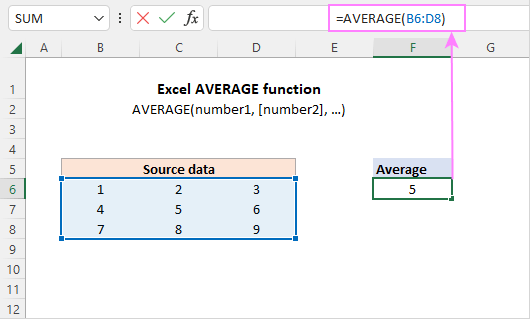 Average Excel – Excel Formula For Average – CDDEY
If you prefer a visual shortcut, look for the AutoSum button on the Home tab. It looks like a Greek “E” (∑). Click the drop-down arrow next to it and select Average. Excel will guess the range of numbers you want, and you can adjust it if needed. Friendly, right?