
Cornmeal Alternative For Pizza
So there I was, a few Saturdays ago, standing in my tiny kitchen, flour dust on my jeans and a pizza peel in my hand. I had just stretched my dough into a perfect, airy circle...
So there I was, a few Saturdays ago, standing in my tiny kitchen, flour dust on my jeans and a pizza peel in my hand. I had just stretched my dough into a perfect, airy circle, feeling very much like a professional (I wasn’t). I reached for the cornmeal to dust the peel, and… the bag was empty. Just a sad, crumpled paper ghost of what used to be. I stared at that empty bag for a solid minute. That’s when the panic set in.
You see, cornmeal is the unsung hero of homemade pizza. It’s not just for crunch; it’s the lubricant of the gods that lets your delicate raw dough slide off the peel onto the screaming hot steel. Without it, you’re basically trying to push a sticky pancake into a volcano. Disaster. But in that moment of desperation, I decided to wade into the unknown. I grabbed a jar of semolina from my pasta drawer and thought, “What’s the worst that could happen?”
Spoiler alert: It was better. Way better. And that’s when I realized that the pizza world is full of fantastic cornmeal alternatives, each with their own little superpower. You don’t have to be stuck with that gritty yellow dust just because your grandma (or that blog you read) said so. Let’s get into the real good stuff.
First up, my absolute new best friend: Semolina. This is the gold standard, folks. It’s made from durum wheat, the same stuff they use for pasta, and it has a coarser, more golden texture than cornmeal. It doesn’t burn as easily in your oven (hello, 500°F heat!), and it leaves a tiny, nutty crunch on the bottom of your crust that is just divine. If you want that restaurant-quality “crisp” at home, semolina is your ticket.
But wait—there’s more. Rice flour is the secret weapon of gluten-free pizza makers, and you should use it even if you love gluten. It’s incredibly fine and powdery, almost like a dry lubricant. It creates a super-slick, non-stick surface without adding any noticeable flavor. The downside? It doesn’t give you that signature crunch. It’s like the invisible ninja of pizza peels—silent, efficient, and disappears.
Then you have the wildcard: Polenta. (By the way, polenta is just fancy, coarsely ground cornmeal. Don’t let the Italian name fool you). If you use raw, dry polenta, it works exactly like cornmeal because it is the same thing, just a larger grind. But here’s the fun twist: you can use it to add a massive texture. I’ve tried pressing a thin layer of uncooked polenta into the bottom of my stretched dough before baking. It creates a cornbread-like crust skirt. Insane? Maybe. Delicious? Absolutely.
 Vicolo organic cornmeal pizza crust | Healthy pizza alternative, Gluten
Now, let’s talk about Wheat Bran. This is for the health-conscious pizza enthusiast who also hates having to sweep the kitchen floor after making pizza. Bran is light, flaky, and doesn’t create that dusty cloud of powder every time you shake your peel. It also adds fiber and a mild, toasty flavor. It’s not as crunchy as cornmeal, but it prevents sticking like a champ. You’ll feel like a wellness guru while eating cheese and pepperoni.
What about Rye Flour? I know, it sounds weird. But rye flour has a natural stickiness that, counter-intuitively, makes it less sticky when used as a dusting agent. No, I don’t understand the physics either—just trust me. It gives your crust a darker, richer color and a slightly sourdough-esque vibe. Use it sparingly, though, because it can be quite dense and damp if you go overboard.
For the absolute daredevils out there, I present: Almond Flour. This one is a trick. You cannot use it on your pizza peel because it will burn and stick like glue. But! You can mix it into your dough to replace some of the all-purpose flour. It makes the crust incredibly tender and buttery. It’s not a direct “swap on the peel,” but it’s a brilliant alternative in the dough. Low-carb pizza, anyone?
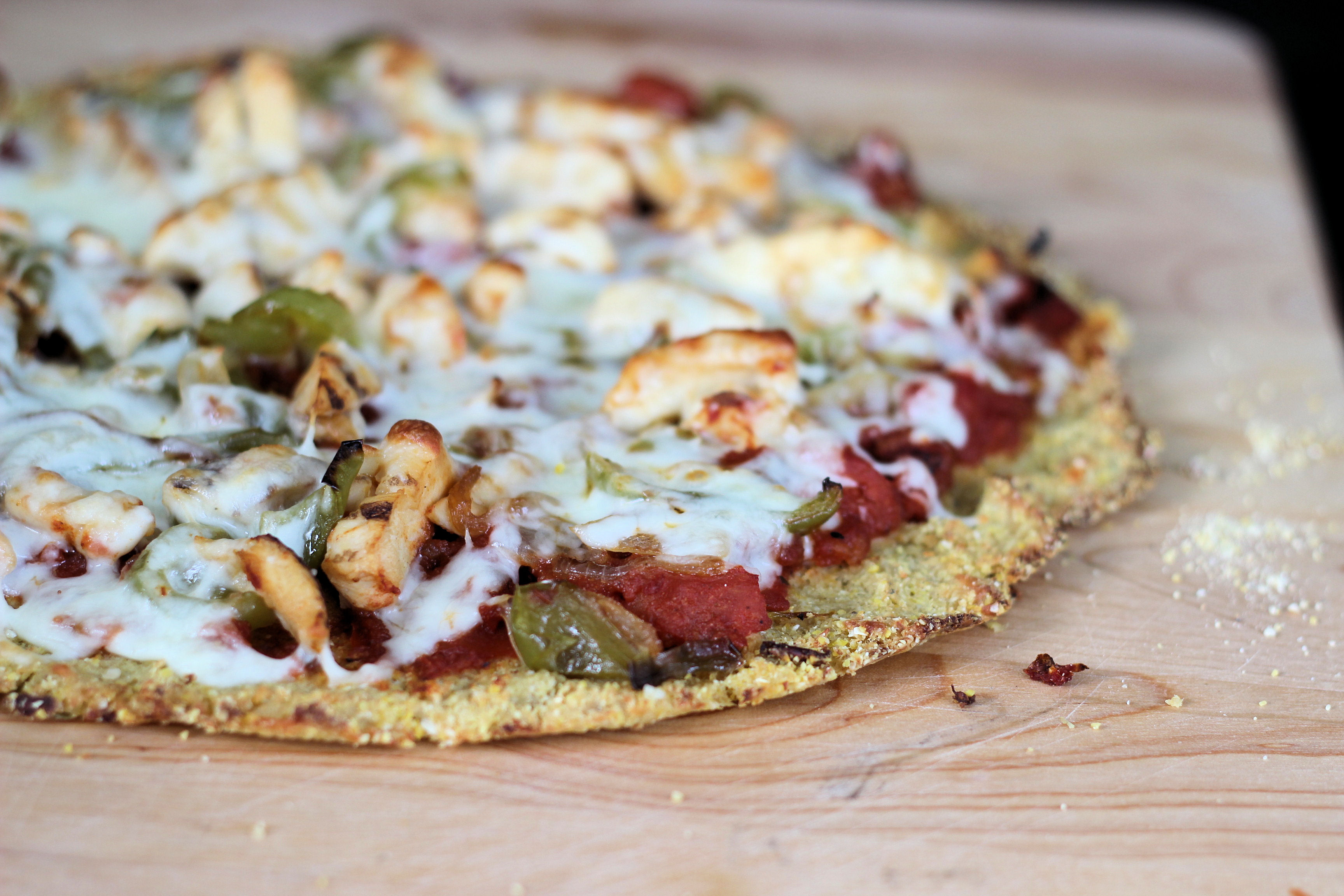 The Perfect Cauliflower Cornmeal Pizza Crust-Gluten Free – Kitchen
And if you have absolutely nothing in your pantry? No joke, parchment paper is the ultimate emergency move. Just stretch your pizza on a sheet of parchment, slide the whole thing onto your preheated stone or steel, and after two minutes of baking, yank the paper out. It’s cheating, but the pizza police won’t come. I’ve done it. I’m not proud, but I’m also not hungry.
Here’s the thing they don’t tell you in cooking school (or on YouTube tutorials): Cornmeal is grainy, and it burns. It leaves little black specks all over your oven floor and that acrid smoke alarm is real. Switching to semolina or rice flour eliminates most of that mess. Your future self, cleaning the oven next week, will send you a thank-you card.
I did a blind taste test between cornmeal and semolina with my family last weekend. (I know, I lead a thrilling life). The results were unanimous: the semolina crust had a more delicate, less gritty crunch, and the bottom was a beautiful golden-brown instead of a dusty yellow. No one missed the cornmeal. It was officially dethroned.
So next time you’re reaching for that familiar box, just pause. Experiment. Throw some rice flour on that peel. Sprinkle a little bran. Embrace the chaos. The worst that can happen is you eat a slightly different pizza, and let’s be honest, even a “bad” pizza is still pizza. Your perfect crust is just one swap away.

