
Here’s the simple scoop: both sugars are just white sugar mixed with molasses. Light brown sugar has about 3.5% molasses, while dark brown sugar packs around 6.5%. That extra bit of molasses is like the difference between a friendly wave and a big, sticky hug. It brings deeper color, richer flavor, and a hint of toffee-like bitterness that makes your taste buds do a happy dance.
Why should you care? Because choosing between them is your secret weapon for texture and taste. Light brown sugar gives you a gentle, almost buttery sweetness—perfect for when you want your cookies to be soft and chewy. Dark brown sugar? That’s your go-to for bold, almost smoky notes that scream “I’m a grown-up baker now!”
So don’t just grab the first bag you see. Ask yourself: do I want subtle or sensational?
Light brown sugar: the cheerful beginner
Think of light brown sugar as your reliable best friend. It blends into recipes without stealing the spotlight, making it incredibly versatile. You’ll find it in classic chocolate chip cookies, fluffy pancakes, and even your morning oatmeal. It keeps things light—literally and figuratively.
But here’s the fun part: because it’s milder, you can experiment without fear. Swap it into a cake batter, a glaze, or a BBQ rub. It adds moisture without overwhelming the other flavors. It’s basically the sugar equivalent of a blank canvas you can paint all over.
And yes, if you’re in a pinch, you can use light brown sugar in place of dark—just expect a softer result. No shame in that game!
Dark brown sugar: the bold character
Now, dark brown sugar is where the magic happens. That extra molasses gives it a deeper, almost caramelized punch. Use it in gingerbread, baked beans, or sticky toffee pudding, and watch people’s eyes go wide. It’s the sugar that announces itself.
Here’s a pro tip: if you want chewier cookies, always pick dark brown sugar. The molasses is hygroscopic (fancy word for “soaks up moisture”), so your treats stay soft longer. It also adds a beautiful, dark amber color that looks fancy, even if you’re just making a batch for Netflix binging.
But be careful—dark brown sugar can overpower delicate flavors. Don’t use it in a light sponge cake unless you’re aiming for a “rustic” vibe. Own your choice, though. When you go dark, you go bold.
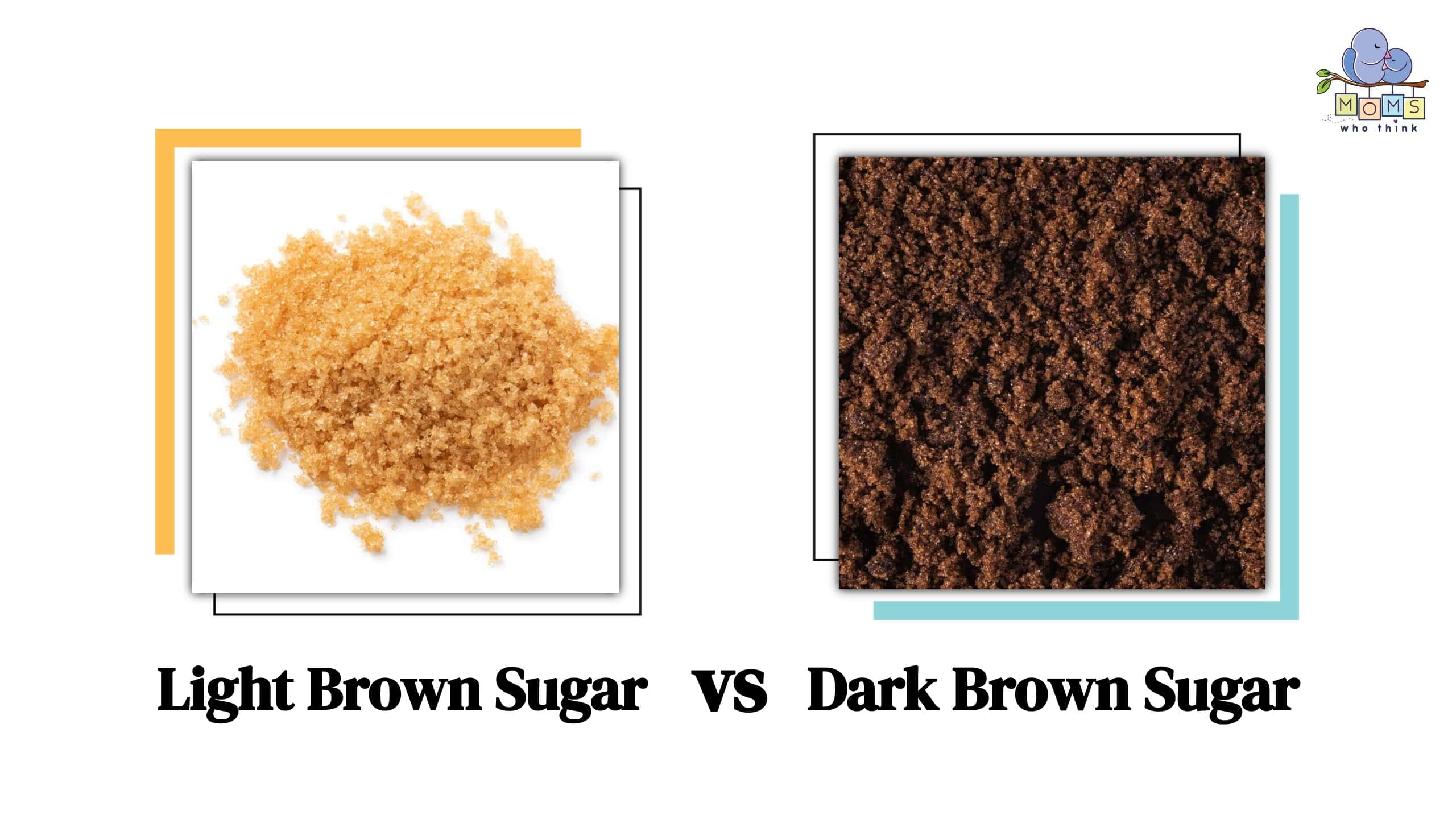 Baking Basics Light Brown Vs Dark Brown Sugar Differences Explained

