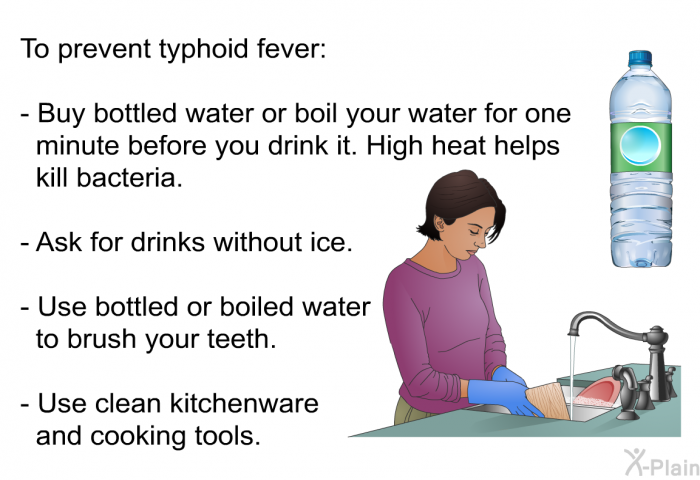
According to the Centers for Disease Control and Prevention (CDC), bringing water to a full rolling boil for just one minute is enough to kill most harmful bacteria, viruses, and protozoa. That’s sixty seconds of vigorous, volcano-like bubbling—no more, no less. At higher altitudes (above 6,500 feet), bump that up to three minutes, because water boils at a lower temperature up there.
Why so short? Because at 212°F (100°C at sea level), the heat essentially nukes the cellular structure of pathogens like E. coli, giardia, and norovirus. It’s not a chemical reaction; it’s a straight-up thermal meltdown. Think of it as a spa day for your water—hot enough to dissolve all the bad vibes.
But What About “Rolling” vs. “Simmering”?
Here’s where the nuance comes in. A simmer—those gentle, lazy bubbles—isn’t enough. You need that aggressive, full-bodied boil where the surface looks like a tiny, enthusiastic Jacuzzi. The CDC is specific: a rolling boil ensures the entire volume of water reaches a uniform, lethal temperature. So if you’re camping or just paranoid about your tap, wait for that vigorous dance of bubbles.
Fun fact: the ancient Romans used to boil water for hours because they didn’t know about microbes—they just thought it “purified the humors.” We’ve come a long way from humors, but the principle stands: heat works fast.

