
If you own a well (or are thinking of buying a home with one), here’s the gold standard: test annually. Don’t skip it. A basic test covers bacteria, nitrates, and pH. A more robust test can check for lead, arsenic, or volatile organic compounds (VOCs). It costs about as much as a nice dinner out, but it buys you peace of mind. Another pro tip: inspect your well cap. A cracked or loose cap is like leaving the front door open for critters and debris. And if you notice a sudden change in taste, color, or smell—even a faint “earthy” note—call a professional. Your water is telling you something.
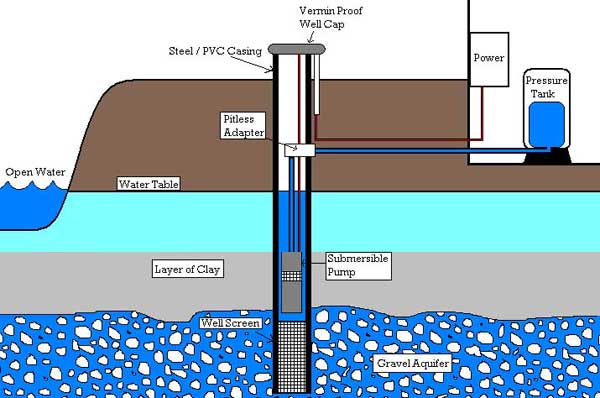 Well and Pump Installations | Axsom-Franke Plumbing
And here’s a fun little fact: depth matters. Shallow wells (less than 30 feet) are more vulnerable to surface contamination. Deep wells (100+ feet) typically draw from aquifers that have been protected by thick layers of earth. But depth isn’t a magic shield—deep wells can still pick up naturally occurring arsenic or radon. So check your local geology. It’s like knowing the neighborhood’s gossip before moving in.

