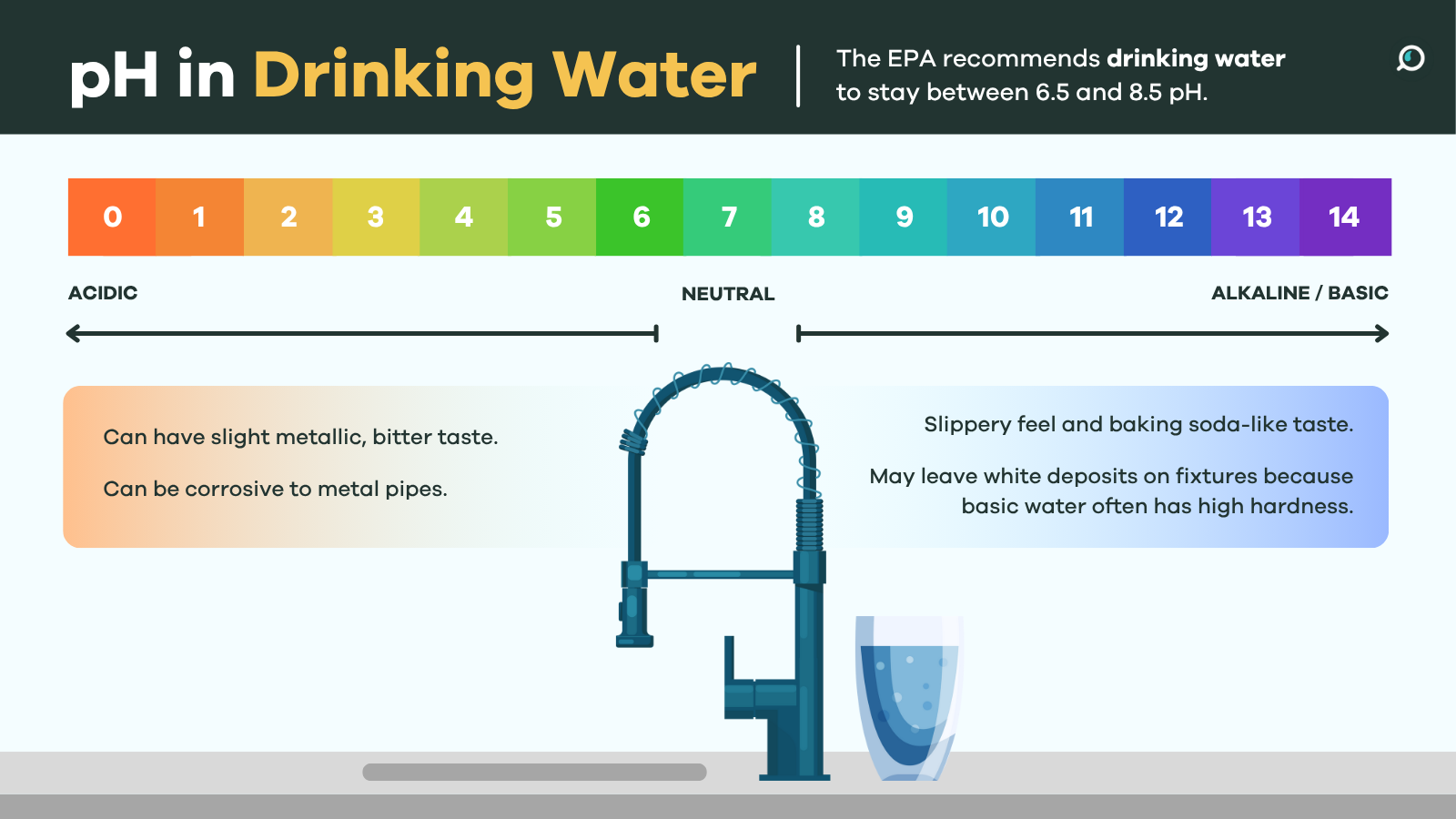
Most tap water hovers between 6.5 and 8.5 on the pH scale, which is perfectly safe and regulated by health agencies. But here’s the fun part: nature is a master chemist. Rainwater, for example, is slightly acidic (around 5.6) because it picks up carbon dioxide from the air.
Spring water from limestone regions often leans alkaline, thanks to dissolved minerals like calcium and magnesium. That’s why a bottle from a mountain spring might taste completely different from your kitchen faucet. It’s geology in a glass.
Ever noticed how some premium bottled waters boast about their “8.8 pH” on the label? That’s a marketing move, but also a nod to the idea that slightly alkaline water might help neutralize acidity in your body. Spoiler alert: Your stomach is a powerhouse of acid (pH 1.5 to 3.5), so any water you drink gets instantly balanced anyway.
A Quick pH Test You Can Do at Home
You don’t need a lab coat to play scientist. Grab a simple pH test strip from any drugstore or online shop and dip it into a glass of your tap water. Wait 30 seconds and watch the color change—it’s like a mood ring for your H2O.
Compare the color to the chart on the box. If your water falls below 6.5 or above 8.5, it might be worth checking with your local water utility. But for most of us, the result is a reassuring shade of green or blue—neutral and happy.
Pro tip: Test your morning coffee, too. Coffee is naturally acidic (around 5 on the pH scale), which explains that tangy bite. A pinch of baking soda can mellow it out if your stomach is feeling fussy.
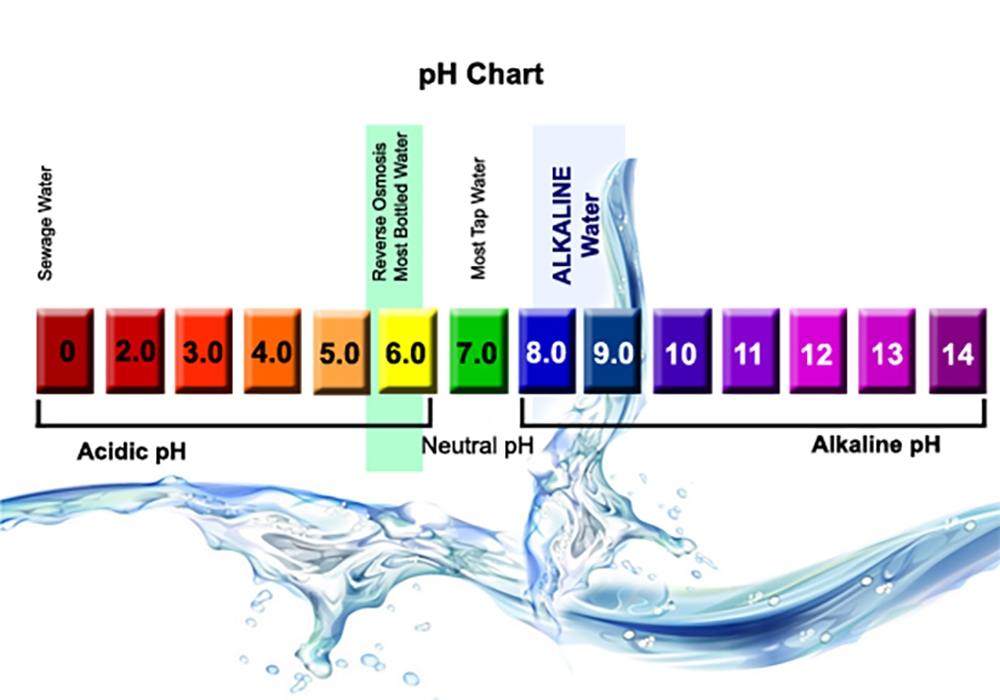 What Is PH In Water? How Much PH Is Good For Drinking Water?

