How To Remove E Coli Bacteria From Water
So, you’re worried about E. coli in your water? Hey, totally fair. That little bugger can turn a fun camping trip into a very unhappy bathroom marathon. But don’t panic—we’ve...
So, you’re worried about E. coli in your water? Hey, totally fair. That little bugger can turn a fun camping trip into a very unhappy bathroom marathon. But don’t panic—we’ve got this. Think of me as your friendly, slightly goofy water-safety guide.
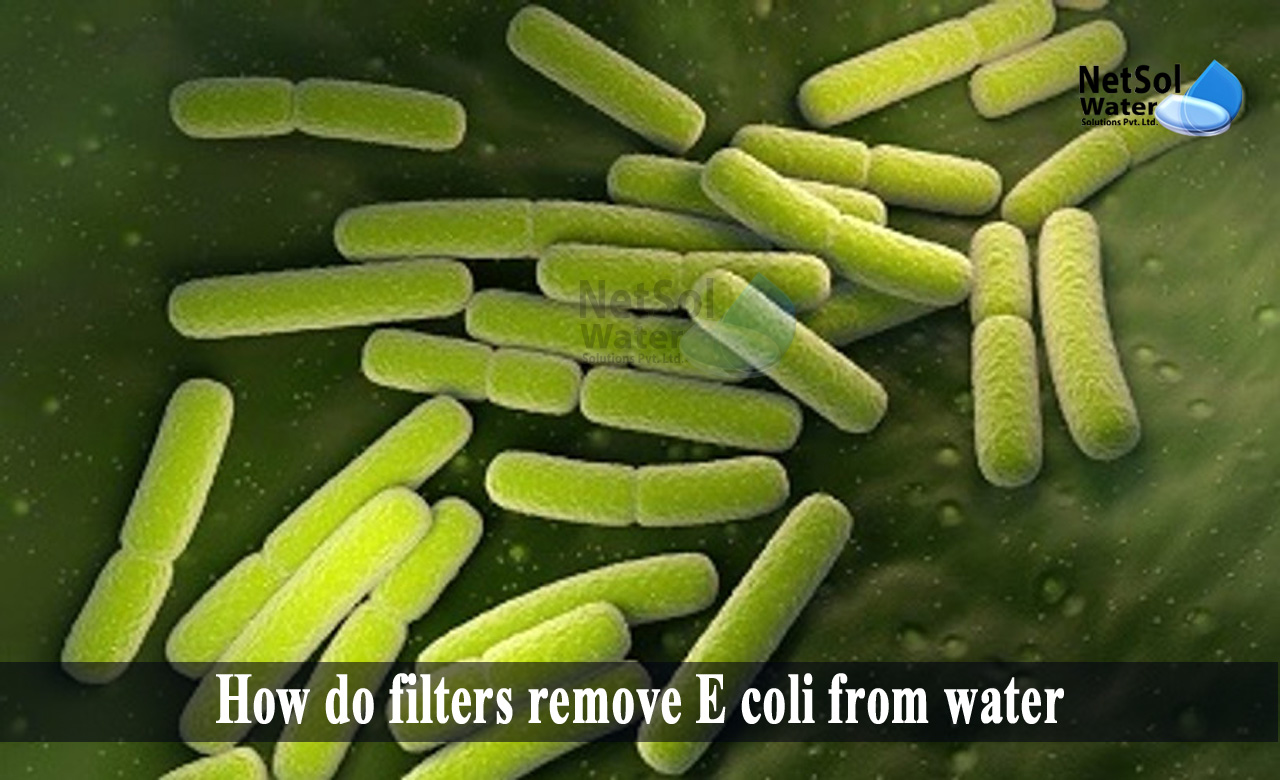
First, a quick reality check: E. coli is a bacteria that lives in guts (gross but true). If it gets into your drinking water—usually from sewage or animal poop—it can cause some serious tummy trouble. The good news? Removing it is totally doable, and you don’t need a lab coat.
Let’s start with the classic: boiling. This is the gold standard, the MVP, the Beyoncé of water purification. Bring your water to a rolling boil for at least one minute. At high altitudes (above 6,500 feet), boil for three minutes because science gets a little slower up there.
Why does boiling work? Heat destroys the bacteria’s cell walls, making them go “poof.” It’s like a tiny spa day for your water, except the spa’s temperature is lethal. No extra chemicals, no fancy gear—just a pot and a stove.
But what if you’re out in the wild or your power’s out? Enter the second hero: chemical purification. You can use chlorine dioxide tablets (like those found at camping stores) or a few drops of unscented household bleach. Check the label for dosage—usually 2 drops per quart—and let it sit for 30 minutes. If the water smells a bit like a swimming pool, that’s fine; it means the bacteria is dead.
Pro tip: Don’t use colored bleach. We’re trying to remove bacteria, not make tie-dye water. Bleach works by disrupting the bacteria’s membrane, which is the bacterial equivalent of locking the door and losing the key. Very effective.
Now, if you hate the taste of chemicals, meet your new best friend: UV light purifiers. These nifty devices look like a fancy flashlight. You just stick the UV bulb into your water, stir it around for about 90 seconds, and—bam—the UV rays scramble the bacteria’s DNA. No DNA, no party.
 E. Coli in Your Water? 5 Easy Ways to Remove it (US Guide
UV purifiers are super fast and leave no weird aftertaste. The downside? They need batteries or a charge, so don’t rely on them in a zombie apocalypse without backup. Also, the water should be clear—muddy water blocks UV light. So for murky water, you’ll need to filter it first.
Speaking of filtering, let’s talk about filtration systems. You can buy portable filters (like a Lifestraw or a Berkey) that physically trap bacteria. The key here is the pore size: look for a filter with pores smaller than 0.2 microns. E. coli is about 0.5 microns wide, so think of it as a very small bouncer at a club.
Filters are great because they remove sediment and protozoa too. Just remember: they don’t kill viruses, so if you’re worried about those, combine filtration with chemicals or boiling. It’s like wearing a belt and suspenders—overkill but definitely secure.
What about distillation? This is the fancy, lab-grade method. You boil water, catch the steam, and recondense it into pure H2O. The bacteria can’t survive the boil, and they stay behind in the pot. It’s extremely effective, but also slow and energy-hungry. Perfect if you’re a mad scientist or a patient camper with extra fuel.
Okay, let’s address the elephant in the room: is tap water safe? In most developed countries, yes! Municipal water is treated with chlorine, UV, or ozone, which kills E. coli. But if you’re on a private well, or after a natural disaster, don’t assume anything. Test your water with a simple kit from a hardware store. Better safe than sorry later.
 🦠💧 How to Remove Bacteria Like E. Coli, Coliforms & Cryptosporidium
One more thing: don’t rely on water filters from your fridge’s ice maker. Those are designed for taste, not for bacteria removal. They’re like sunglasses—great for glare, but useless against a meteor. Stick to the methods above for actual safety.
Now, imagine you’re on a hike, and your buddy hands you a canteen of questionable stream water. You smile, whip out your UV wand or your trusty stove, and within minutes, that water is safe. You feel like a wizard. You are a wizard.
I know this topic sounds heavy, but here’s the uplifting part: E. coli is tough, but we’re tougher. Humans have been figuring out clean water for centuries. You’ve got boiling, chemicals, UV, filters, and distillation in your toolkit. Pick one, or combine them, and you’ll win every time.
So go ahead—quench that thirst. Drink up, feel good, and know that you’re savvy enough to handle a microscopic villain. And if you ever mess up and drink a little bug? Your immune system’s got your back, and maybe some Pepto-Bismol. But honestly, you’ve got this.
Here’s to water that’s clear, clean, and completely bacteria-free. Cheers, my friend. Now go hydrate like the hero you are.

