
Picture water from a river before treatment. It’s got algae, silt, dead leaves, and maybe a hint of beaver pee (yes, that’s a real thing). After passing through sand, gravel, and then the activated carbon filter? It goes from “swamp tea” to “crystal clear” in hours. The carbon specifically targets volatile organic compounds—those are the chemicals that make your water smell like a swimming pool or a gas station.
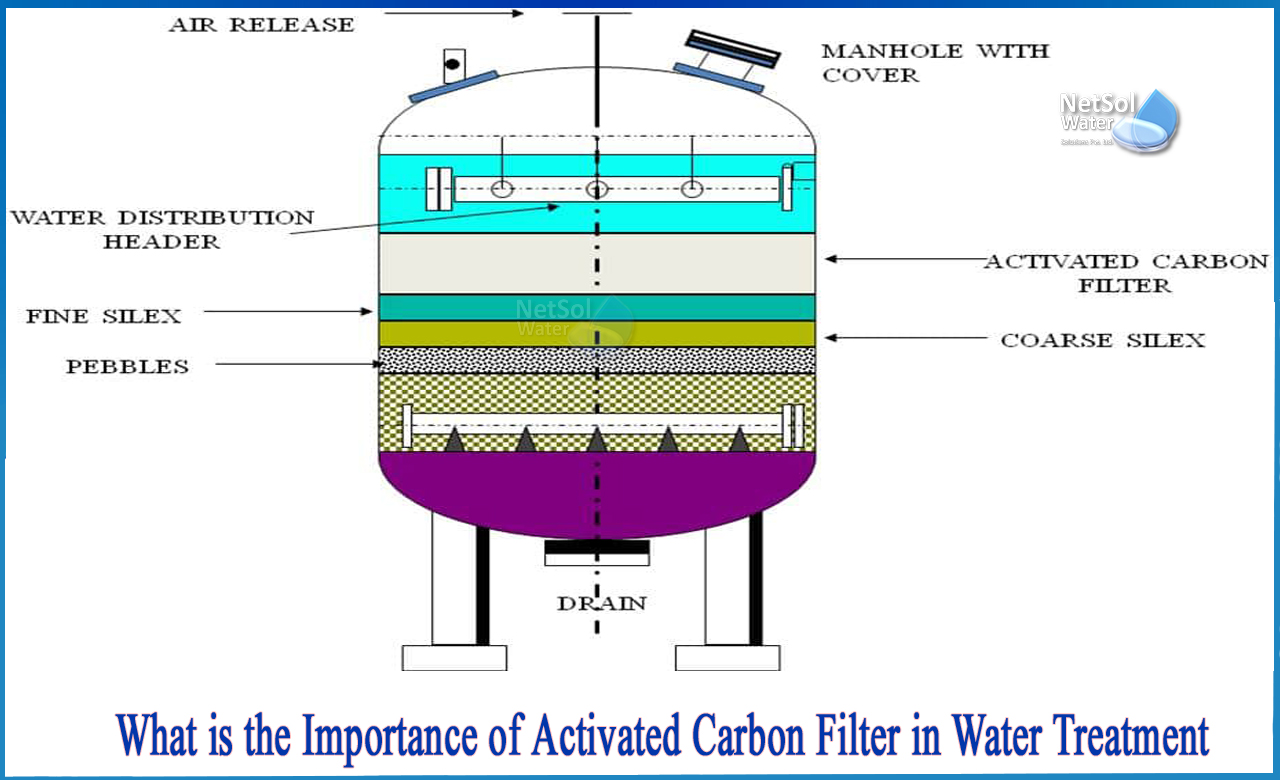 What is the importance of Activated carbon filter in water treatment
I once toured a plant where the operator poured raw river water into a jar next to the finished water. The raw water looked like weak iced tea with floating bits. The treated water looked like a diamond had a glass of water. He said, “The carbon filter is what makes you trust your tap after you’ve been drinking bottled water for years.” And he was right.
When Carbon Gets Tired
Activated carbon doesn’t last forever. After a few months or years, all those nooks and crannies get filled up with gunk—like your kitchen sponge after a month of washing greasy pans. When that happens, the plant sends it to a special facility where it’s heated to over 800 degrees Celsius. That burns off the trapped pollutants and “revives” the carbon. It’s the closest thing to a zombie resurrection for a water filter.
This is also why you shouldn’t reuse the filter in your Brita pitcher forever. That little black block eventually becomes a home for bacteria, not a hero. The big plant filters, on the other hand, get regularly cleaned and replaced so your tap water always tastes like “nothing”—which, in water world, is everything.

