Some metres—especially ancient ones—have multiple little clocks with spinning hands. They look like a toddler’s art project. Don’t panic. Each dial measures a different decimal place. Start with the largest dial (usually the one marked “100,000” or “10,000”) and work clockwise. Read each hand’s lower number if it’s between two digits. Write them left to right. Boom—you’ve read the riddle.
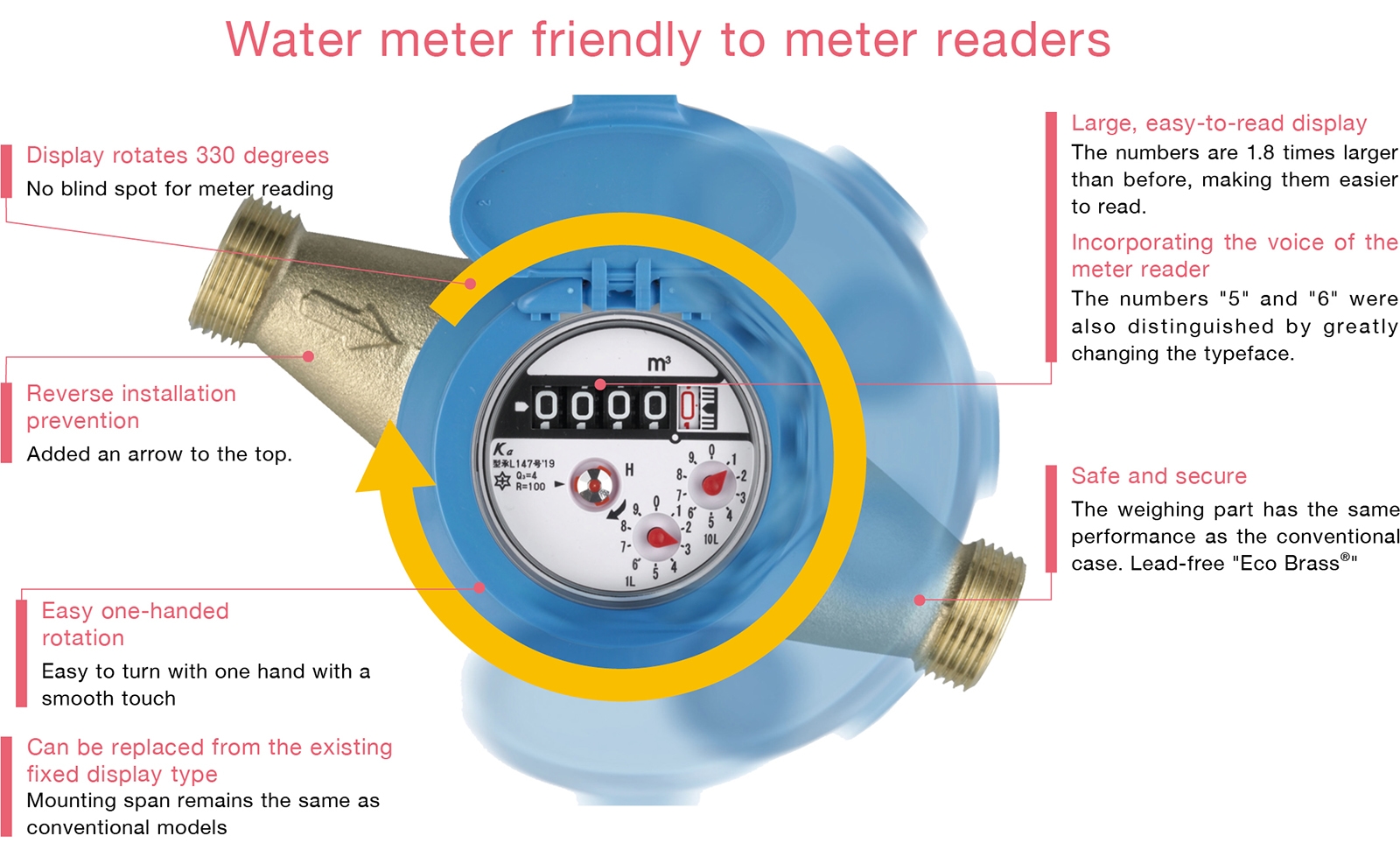 Water Meter Reading Example
Example: if the 100,000 dial points to 3, the 10,000 dial to 9, the 1,000 dial to 4, and the 100 dial to 7, your reading is 3,947. You’ve done it. Now you’re basically a certified plumber-in-training. Or at least you can sound smart at a block party.
But why bother in the first place?
Because your water bill isn’t a magic fortune cookie. Reading your own metre helps you catch billing errors (they happen more than you think) and track if that new sprinkler system is secretly a water-guzzling monster. It also lets you play detective when your landlord or neighbour insists you used 10,000 litres last month. Spoiler: you didn’t—your metre says 1,200.
Plus, it’s a low-key party trick. Imagine casually saying, “Oh, our pool fill set us back 15 cubic metres,” while everyone stares at you like a water wizard. You’ll have nothing to lose except a few minutes of awkward crouching. Go on, give it a read—your future self (and your bank account) will thank you.
And if you get stuck? Just take a photo of your metre and squint at it angrily. Then show a friend or call your utility company. They’ve seen weirder things—I promise. Water metres are simple once you remember: big numbers, ignore the spinny bits, watch for leaky triangles. You’ve got this. Now go kneel down in your backyard like a water-reading warrior.