Pop the lid open, and you’ll see a digital display or a row of numbered dials. Digital meters are the easiest: just read the black numbers from left to right. The white numbers? Ignore them, completely. They’re like the extra toppings on a pizza—nice, but not what you’re paying for.
If you’ve got an older meter with dials, it looks a bit like an old-school bike speedometer. Each dial spins in a different direction, so read them in order, and always use the lowest number the pointer has passed. It’s a bit like reading a clock, only less stressful and with no rush to get to school.
The fun part: why should you care?
Remember that time you left the hose running while playing with the kids, or that drippy toilet you kept meaning to fix? Your water meter remembers everything. By reading it weekly, you’ll spot leaks before they turn your bill into a horror story. A slow drip can waste thousands of litres a year—literally money trickling down the drain.
I once ignored a small drip for three months, and my bill jumped by forty quid. My neighbour, who reads his meter every Sunday with a cup of tea, caught a leaking pipe in a week. He now calls it his “Sunday ritual” and jokes that it’s cheaper than therapy.
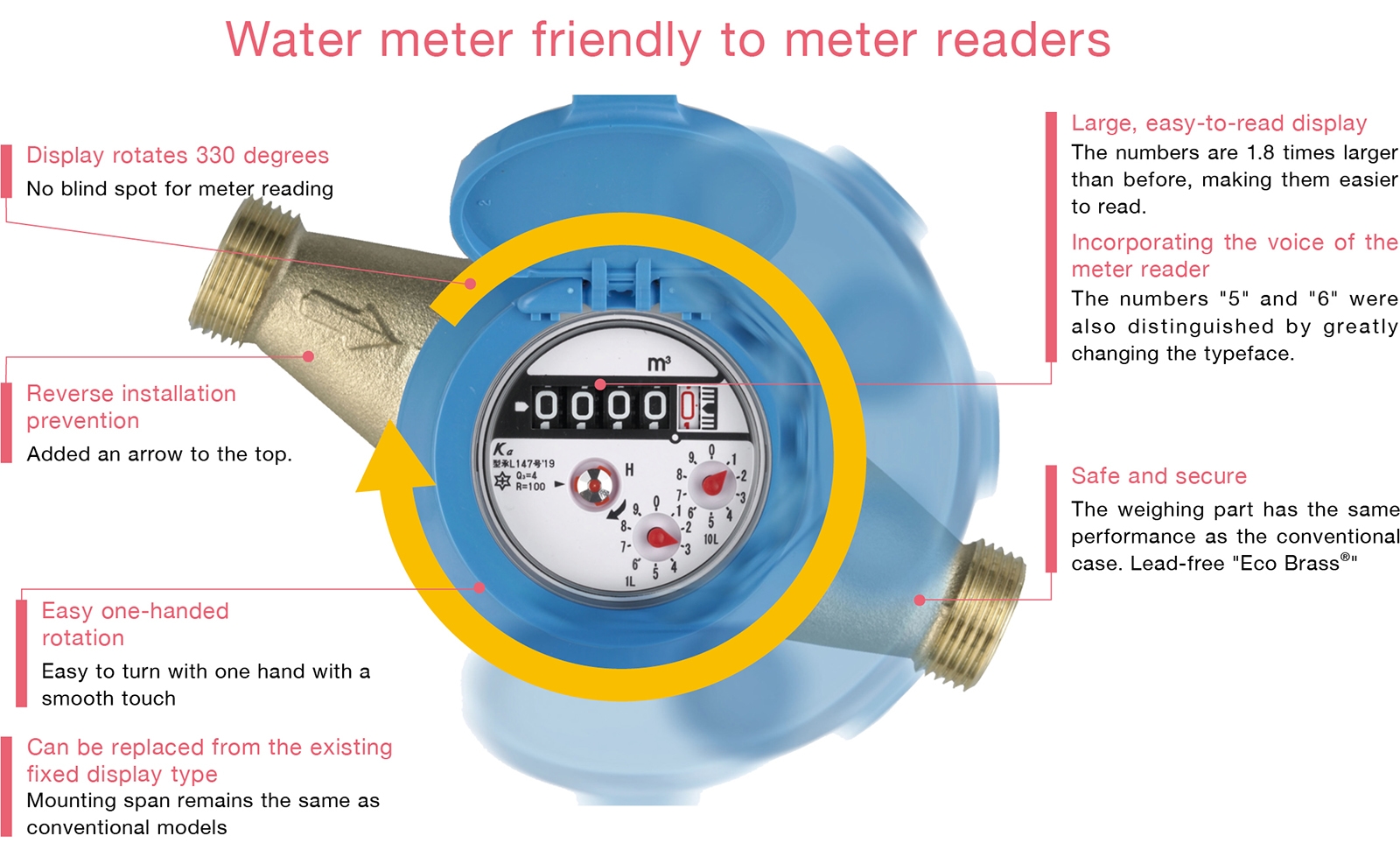 Water Meter Reading Example