
Your RO system won’t send you a text saying “I’m dying.” But it does drop hints. Slow water flow is a dead giveaway—your filters are clogged and begging for mercy. Also, if your water starts smelling like a dirty fish tank, that’s the carbon filter waving a white flag.
And here’s the kicker: if you see cloudy water or a strange color, you’re already in the danger zone. That’s your system telling you, “Hey, I’m drinking whatever you poured down the drain yesterday.” Not a fun thought, right?
Oh, and that monthly filter check? I know you’ve been skipping it. (I do too. We’re all sinners here.) But a quick glance at your filter housing can save you from a full system meltdown. Just pop the cap and see if the old filter looks like a mud pie.
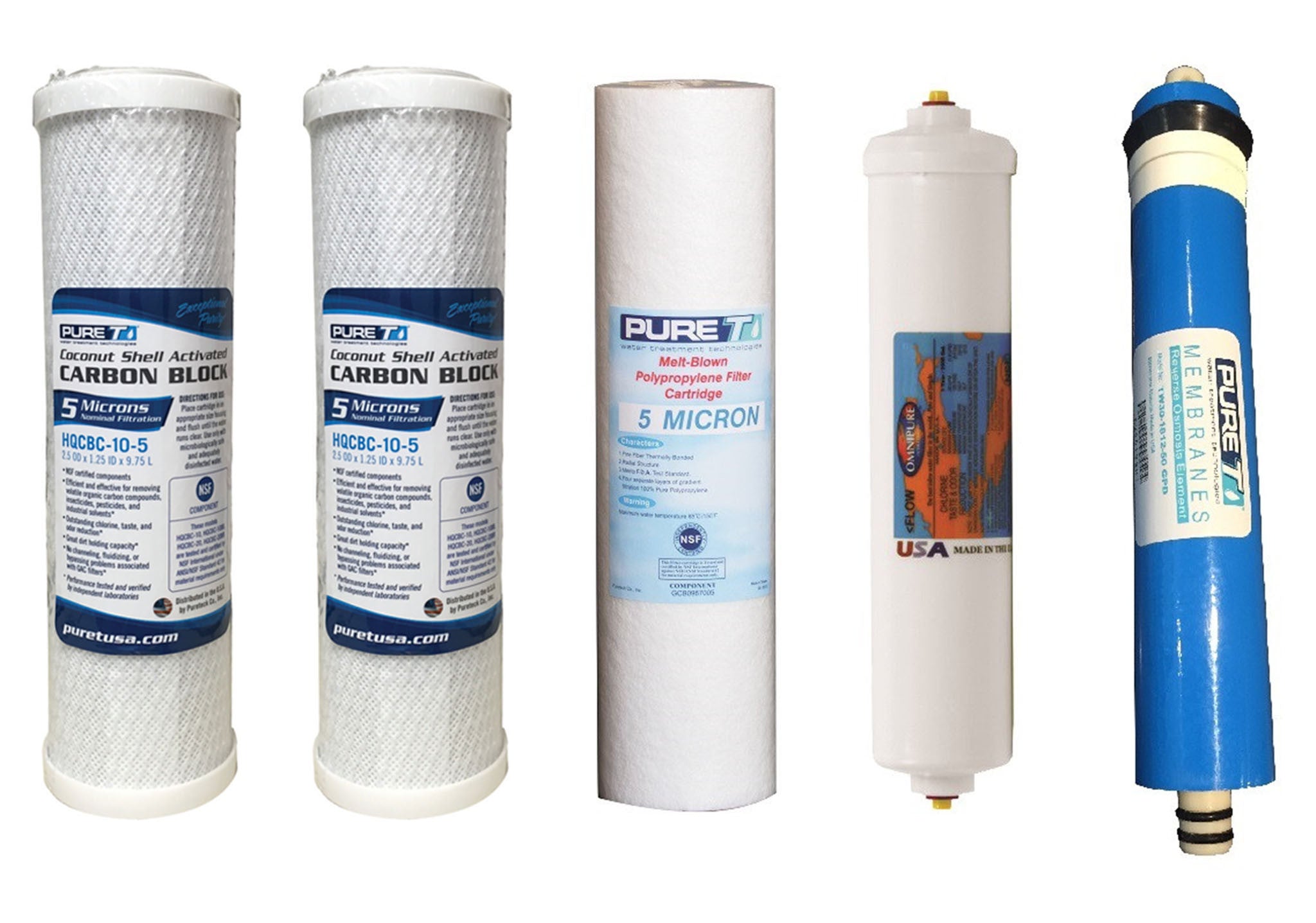 5 Stage Reverse Osmosis System Filters Replacement
How Often Should You Really Replace?
Here’s the boring truth: manufacturer recommendations vary. Some say every six months, others say yearly. But I’ve found a simple rule—if you have a typical 50-gallon-per-day system, swap the pre and post filters every 6 to 12 months. The membrane? Every 2 to 3 years.
But wait—your water quality matters too. If you’re on city water with high chlorine, you’ll need to replace the carbon filter more often. Well water with iron? The sediment pre-filter will choke faster. Test your water once a year, and you’ll know exactly when to panic—I mean, when to buy replacements.
And for the love of all that is hydrating, mark your calendar. Use your phone, a sticky note, or a tattoo on your arm. Setting a reminder is the only way to beat the “I’ll do it later” monster. Later is a liar.

