How Does A Sewage Plant Work
So, you flush the toilet, and poof—it disappears. Have you ever wondered where all that… well, stuff actually goes? It doesn’t just vanish into a magical void, my friend. It t...
So, you flush the toilet, and poof—it disappears. Have you ever wondered where all that… well, stuff actually goes? It doesn’t just vanish into a magical void, my friend. It takes a journey through one of the most unsung heroes of modern civilization: the sewage treatment plant. Buckle up, because we’re about to take a tour of the place that turns yuck into, well, less yuck.
First off, let’s get one thing straight: this isn’t a glamorous job. Nobody dreams of being a sewage plant operator at career day. But honestly? They’re the real MVPs. Without them, your neighborhood would smell like a dirty diaper convention. The process is a beautiful, stinky ballet of science and engineering.
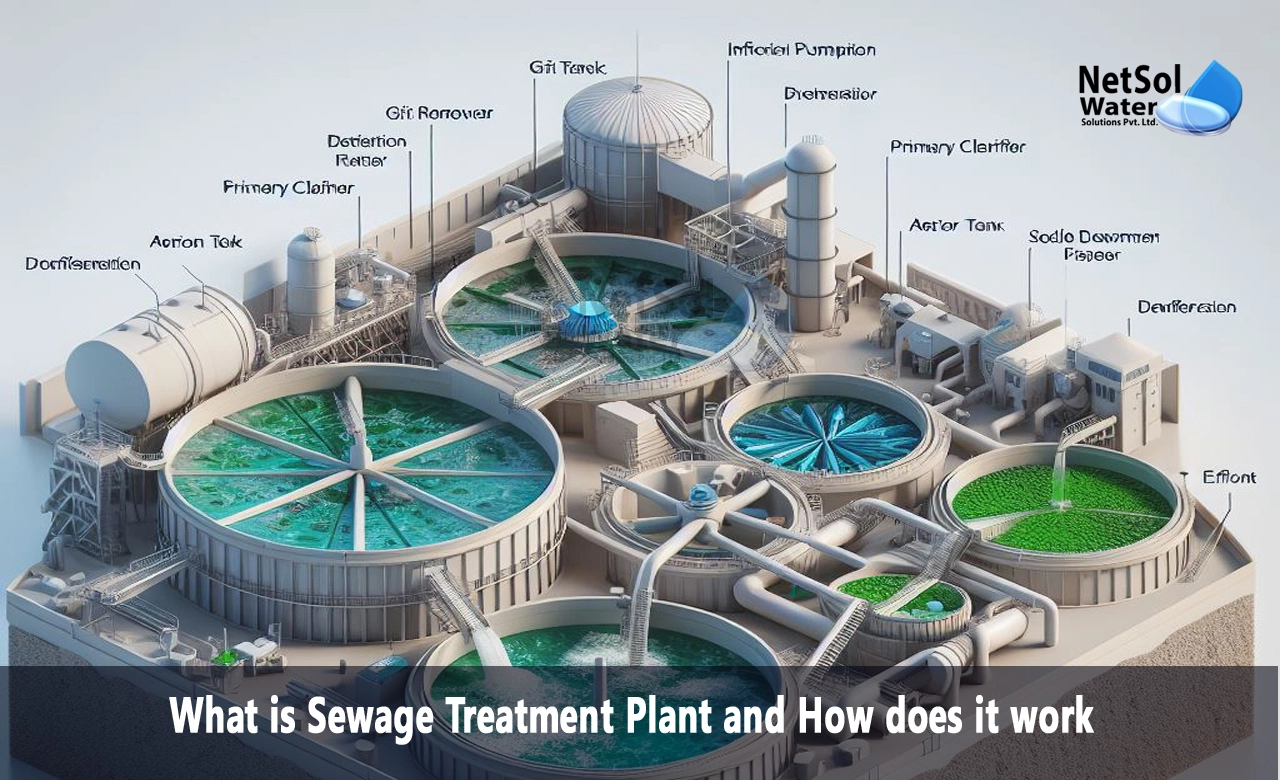
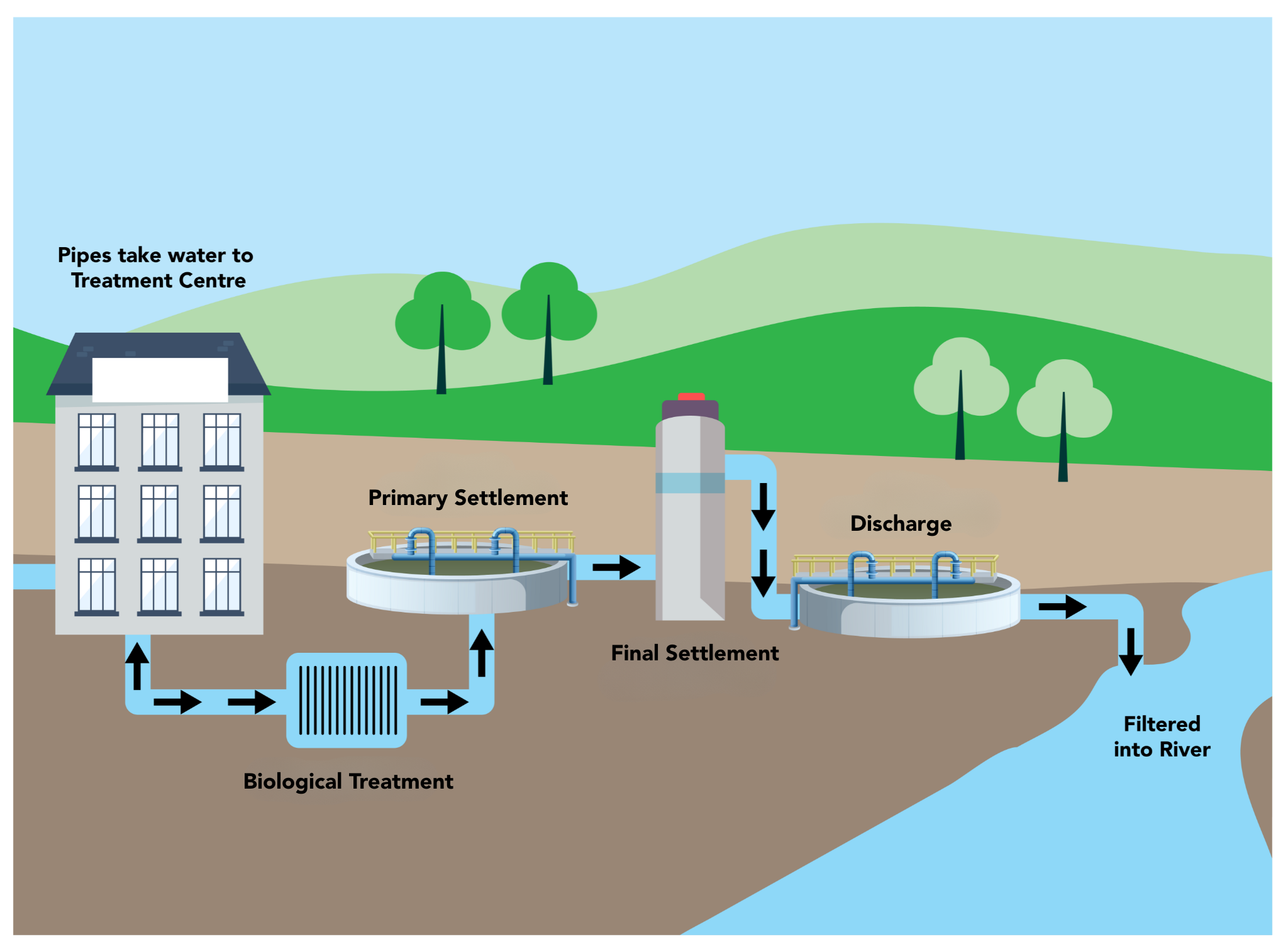
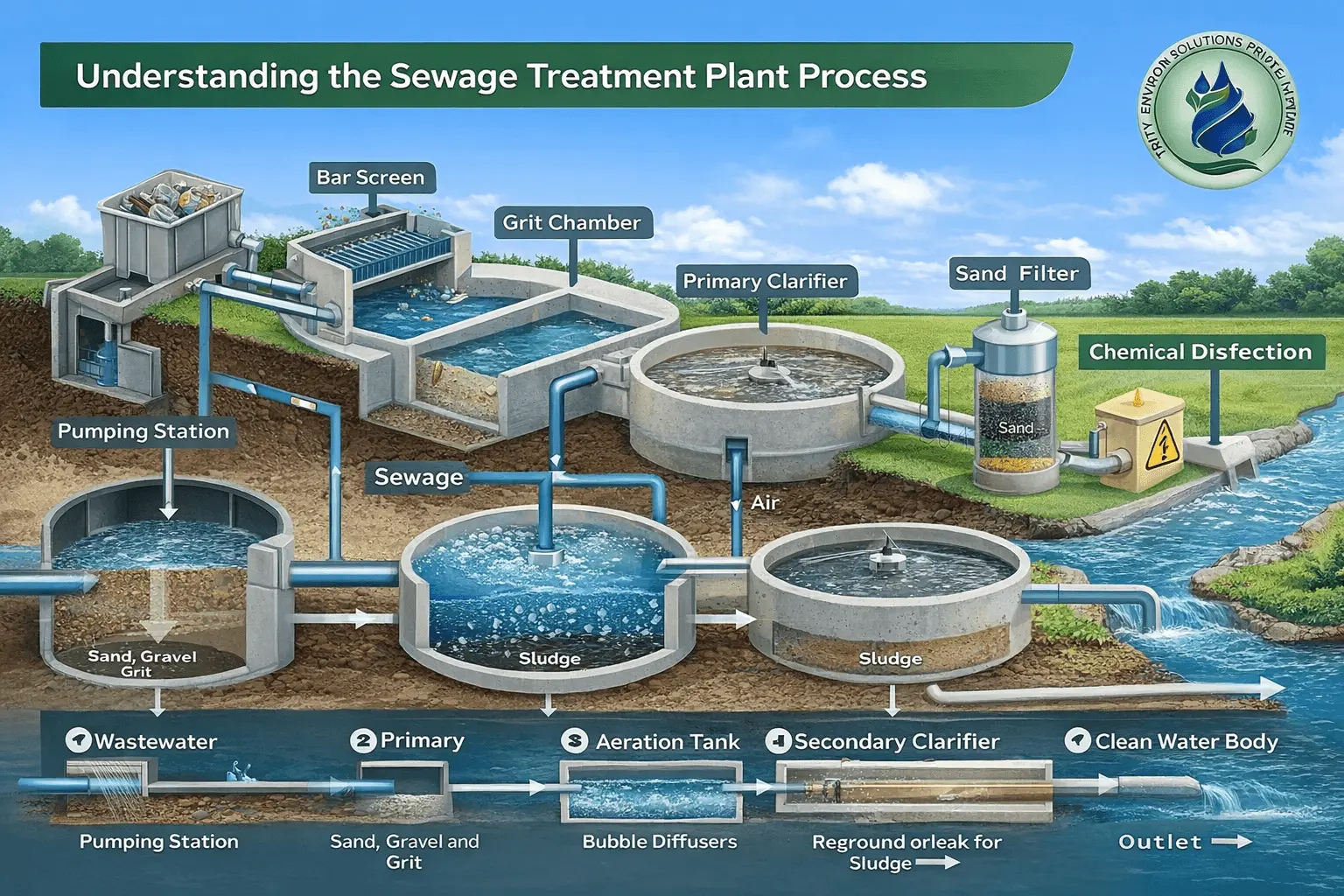
You start with the Preliminary Treatment—the bouncer of the sewage world. Your wastewater arrives at the plant via giant underground pipes, bringing everything from toilet paper to lost earrings. The first thing that happens? It passes through screens that catch large debris. We’re talking rags, sticks, plastic toys, and yes, the occasional unfortunate sock that fell in. These get hauled off to a landfill. One less mystery in your laundry, right?
Next up: the Grit Chamber. Imagine a giant swimming pool where the water slows down just enough for sand, gravel, and coffee grounds to sink to the bottom. These heavy bits are called “grit,” and they get washed and sent to the landfill, too. Nobody wants to chew on a stray pebble later in the process. Trust me, the plant operators have enough to deal with.
Now we hit the Primary Treatment. This is where things get a little more… serious. The water flows into enormous tanks that act like gravity-powered lazy rivers. Because the water is moving so slowly, the heavier sludge sinks to the bottom, and lighter stuff—like grease and oils—floats to the top. They skim the fat off the top (think of it as a giant, unappetizing soup) and pump the sludge from the bottom. This “sludge” is actually gold for later, but we’ll get to that.
By this point, we’ve removed about 50–60% of the solids. Your water now looks less like a murky swamp and more like a cloudy iced tea. Not drinkable yet, but we’re getting there. The real magic happens in the Secondary Treatment—the rockstar of the whole show.
 Septic Tank and Sewage Treatment Plant - Willow Pumps
Secondary treatment is where tiny living creatures do the dirty work for us. The water is pumped into aeration tanks, where air is bubbled through it like a giant jacuzzi. Why? Because we’re growing a massive colony of bacteria and other microorganisms. These little guys are hungry—they eat the dissolved organic waste, the leftover food particles, and the invisible gunk. They’re basically a microscopic clean-up crew that works 24/7 and never complains about overtime.
After the bacteria have had their feast, the water flows into a clarifier, which is just a fancy word for a “settling tank.” The bacteria clump together into heavy flakes called “floc,” and they sink to the bottom. The water on top is now about 90% clean. Yes, you read that right—90%. That’s better than your gym after a sweaty spin class.
But wait—there’s more! What about all that bacteria sludge we just settled? That’s sent to a giant digester—a warm, cozy tank where other bacteria break it down further. This process generates methane gas, which many plants then capture and burn to generate electricity. That’s right: your poop can literally power a lightbulb. Talk about a bright idea!
Now, we’ve reached the Tertiary Treatment, also known as “the polish.” This is the final spa treatment for the water. It might go through sand filters, ultraviolet light that zaps any remaining germs, or even a dose of chlorine. The goal is to make the water clean enough to be released into a river, lake, or ocean. In some fancy plants, it’s even clean enough to drink again. (Don’t worry—they don’t usually pipe it straight to your tap, but astronauts recycle like this on the ISS. So, you’re basically Elon Musk’s toilet now.)
 How Sewage Treatment Plants Work | Sewage Treatment Process Explained
Let’s not forget the final byproduct: biosolids. That’s the fancy term for the remaining treated sludge. After digestion and dewatering, it becomes a dark, earthy material that’s rich in nutrients. Farmers love this stuff as fertilizer. So, in a way, your breakfast helps grow someone else’s breakfast. The circle of life, people.
And that’s it! From flush to finish, the whole process takes about 12 to 24 hours. You go from a swirling vortex of “nope” to water that’s clean enough for fish to swim in. The plant operates quietly, usually underground or behind a fence, never asking for thanks. It just works, like a dedicated friend who cleans up after a wild party and pretends nothing happened.
So the next time you flush, give a little nod to the sewage plant. Thank the bacteria, thank the engineers, and thank the laws of gravity. It’s a beautiful, messy, life-giving system that lets you live in a city without wading through a river of regret. And honestly? That’s pretty amazing.
Remember: you are not just sending waste away—you’re sending it on an adventure. An adventure that ends with clean water, renewable energy, and a chance for a tomato to grow taller. Now go flush with pride, you magnificent human. The world is your toilet—in the best possible way.

