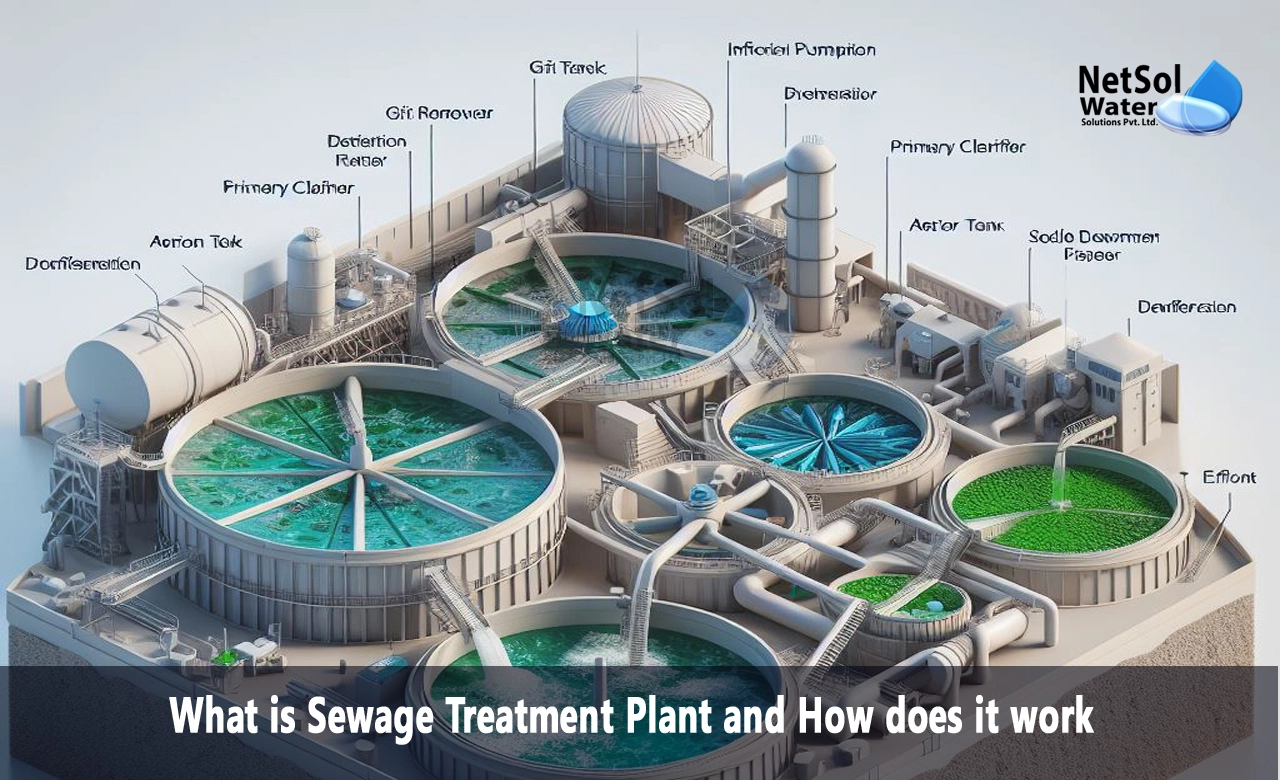
Picture the moment you flush the toilet. That water, now called influent, takes a wild ride through a maze of pipes to the plant. The first stop is a screening room where everything from rags to plastic toys gets caught. Fun fact: plants regularly find cell phones, jewelry, and even dentures in this initial filter—proof that we lose more than just keys down the drain.
After the big stuff is removed, the water flows into massive tanks where gravity does the heavy lifting. Heavier solids sink to the bottom as primary sludge, while lighter materials (like grease and oil) float to the top and get skimmed off. This stage feels like a slow, industrial ballet—calm, steady, and oddly satisfying to watch.
Now the real magic begins: the biological treatment phase. Here, the water enters aeration tanks where billions of bacteria—tiny, hungry workers—are pumped with oxygen. These microorganisms feast on the dissolved waste, breaking it down into harmless byproducts. It’s like a microscopic dinner party where the guest list is all bacteria, and the menu is everything you’ve flushed.
Where Does All That Sludge Go?
You might be wondering about the icky stuff that gets left behind. The sludge isn’t just dumped—it’s processed in digesters that heat, mix, and stabilize it. This process creates biogas (mostly methane), which many plants use as fuel to power their own operations. That’s right: your waste literally helps run the plant. Talk about a full-circle moment.
After digestion, the sludge is dewatered and often turned into fertilizer or soil conditioner. Some plants even send it to farms or golf courses. So the next time you see a lush green fairway, remember: that grass might owe its color to yesterday’s dinner scraps. Suddenly, that “organic” label hits differently.
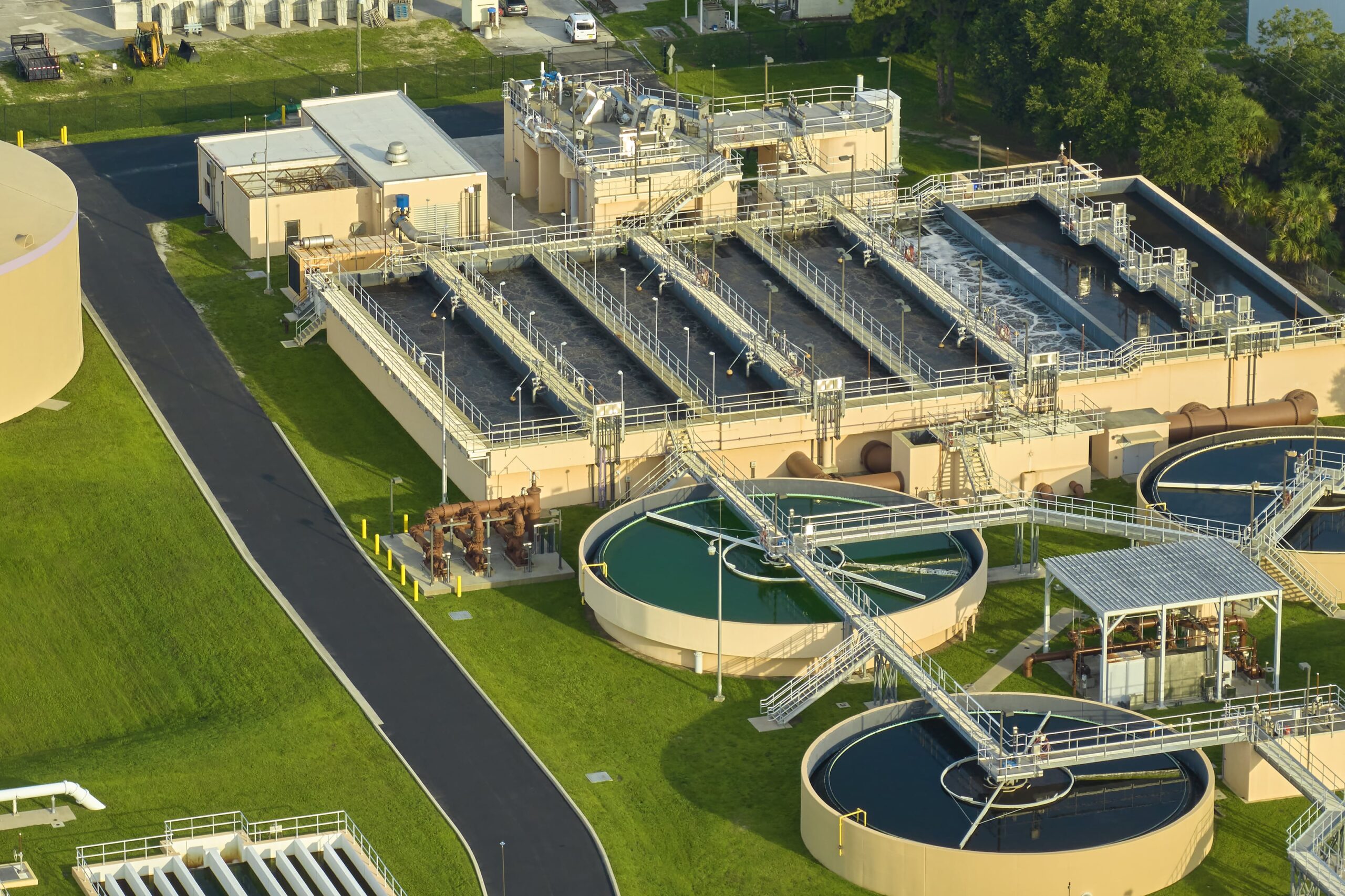 Wastewater Treatment Plant

