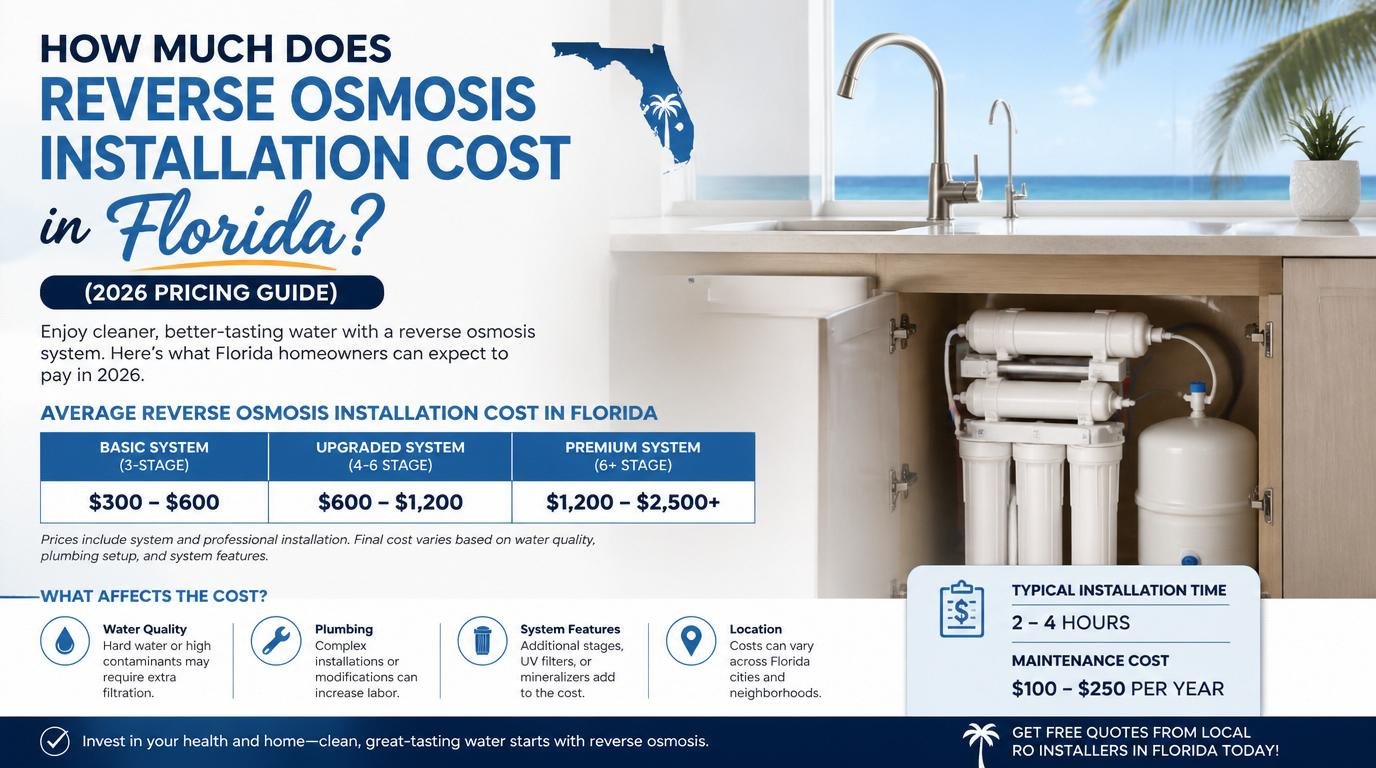
Now, I know what you’re thinking: “Can’t I just do it myself?” And the answer is: maybe, if you’re handy with a wrench and don’t mind a little cursing. DIY installation is totally doable for most under-sink systems. You’ll need basic tools, a drill, and the patience of a saint when you realize you forgot to buy a specific fitting.
The upside? You save that $150 to $500 labor fee. The downside? You might accidentally create a tiny indoor waterfall in your kitchen. But hey, that’s a story for your next dinner party. “Remember when I flooded the cabinet? Good times.”
If you’d rather not risk your marriage or your floors, hire a pro. They’ll have it done in two hours while you watch three episodes of your favorite show. Plus, they bring their own towels for the inevitable drip.
Hidden Costs That Sneak Up on You
Here’s where the water gets a little murky (pun intended). You might need to buy a faucet—the kits usually include one, but if you want a fancy brushed nickel one, that’s an extra $30 to $100. Also, check your water pressure. If it’s too low, you’ll need a booster pump, which can add $100 to $300. It’s like paying for a turbocharger on your water filter—cool, but unnecessary unless you’re a speed demon for H2O.
Don’t forget annual maintenance. Filters need replacing every 6 to 12 months, costing about $50 to $150 per year. That’s less than a monthly Netflix subscription, but way more refreshing. No spoilers, just clean water.
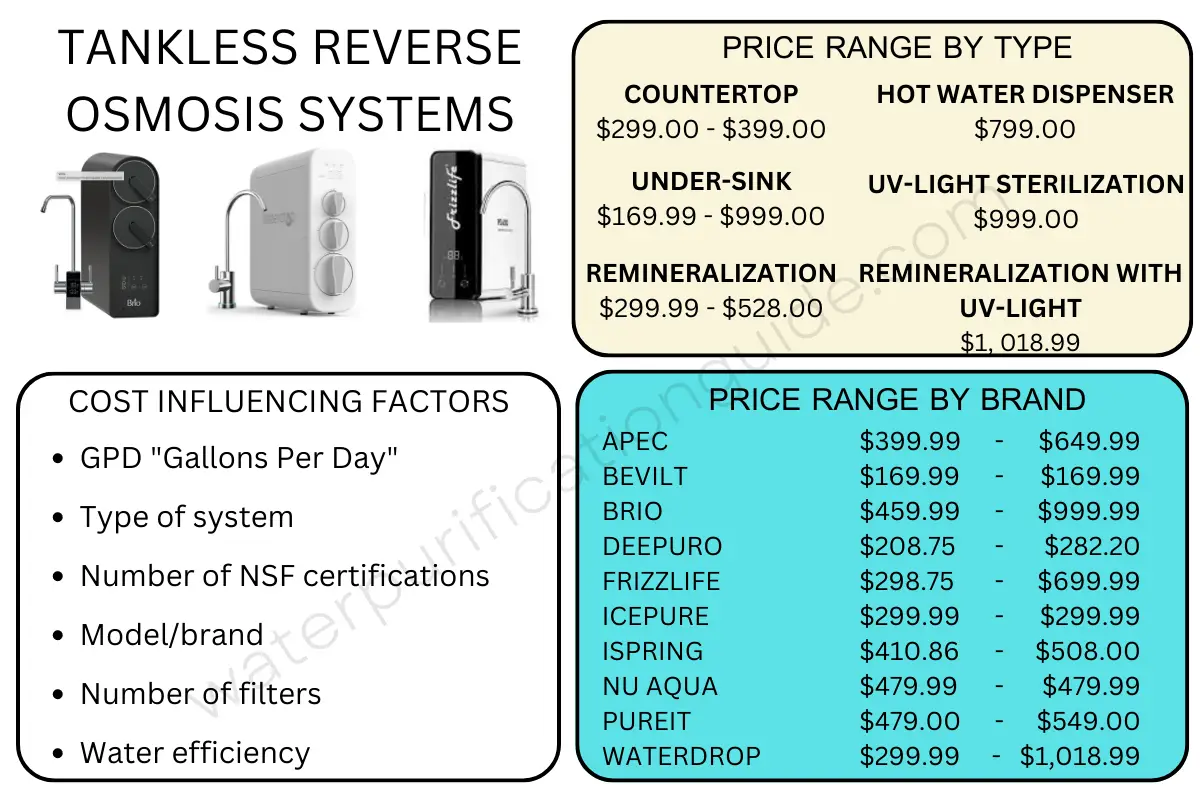 How Much Tankless Reverse Osmosis Systems Really Cost - Water

