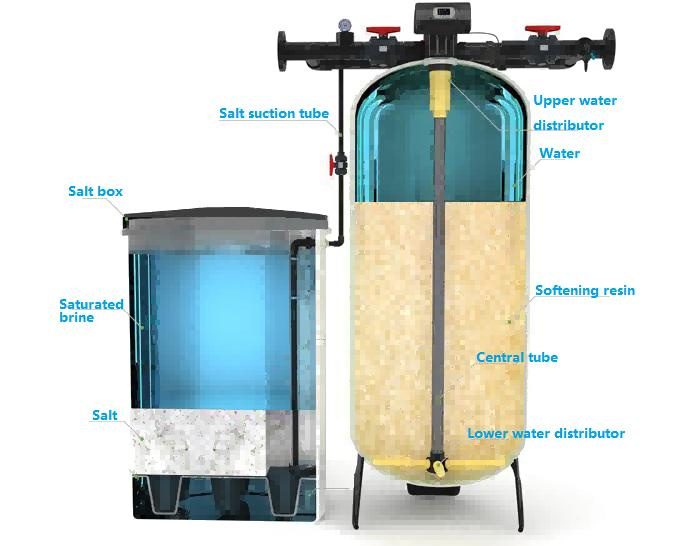
First, let’s get our bearings. A water softener works like a bouncer for hard minerals. It kicks out calcium and magnesium and lets soft, happy water through. The salt tank is not a water storage unit—it should look like a bucket of dry, chunky salt with a little water at the very bottom, like a damp sponge after you’ve wrung it out.
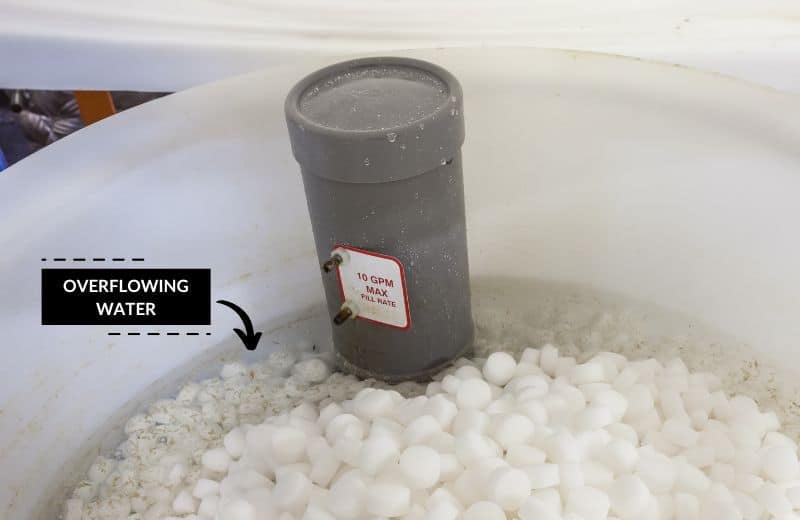
Standing water, by contrast, is an inch or more of liquid that looks like you could launch a toy boat in it. If you are tempted to describe the water level as “swimmable for a very brave hamster,” you have a problem.
The Three Culprits (And They Aren't Ninjas)
Culprit #1: The Salt Bridges of Doom. This is when your salt has fused together into a solid, rock-hard crust above a layer of water. It looks like a giant sugar cookie from hell. The softener can’t drop new brine into the water because the bridge is blocking it. Meanwhile, the water underneath just sits there, getting older and more confused.
Surprising fact: A salt bridge can be strong enough to support a small child. Not that you should test that. But if you can poke a broom handle through it and hear a satisfying crunch, you’ve found your culprit. Break it up, vacuum out the mush, and you’re a hero.
Culprit #2: The Mush Monster (aka Salt Mushing). If you use pellet salt and live in an area with high humidity or hard water, your salt can dissolve into a sludgy, gray gunk at the bottom. This “mush” clogs the drain venturi and prevents water from being ejected properly. Suddenly, the tank fills up like a backed-up bathtub. You might as well be trying to flush a bowling ball down a straw.
Fun fact: A water softener’s regeneration cycle actually uses a small amount of water to clean itself. When mush is present, that cycle turns into a soggy, ineffective tantrum. The solution? Scoop out the mush like a sad archaeologist. Then switch to cubed or solar salt, which resists the mushification process.
Culprit #3: The Ghostly Plumbing Leak. Sometimes, the water level never goes down because your softener has a tiny, invisible leak inside its valve—what plumbers call a “ghost flow.” It’s like a slow-dripping faucet inside the machine. Over a few days, this adds up to a small pond. You won’t hear it, but your salt will. It’s the plumbing equivalent of a drippy nose from a ghost with a cold.
 How to Fix Standing Water in a Water Softener Salt Tank
How Deep Is Too Deep?
Here’s a handy, entirely unscientific guide. If the water is below the salt level, you’re probably fine. If it’s up to the salt level, you’ve got a minor drama. If it’s above the salt, and you can see your reflection, you are now starring in a one-person comedy called “Why Is My Basement Wet and Sad?” A good rule of thumb: the water should never sit higher than a quarter of the way up the tank.
Surprising fact: That standing water can become a breeding ground for bacteria and even a faint, funky odor. Yes, your water softener can smell like a forgotten gym sock. The good news? A splash of unscented household bleach during a manual regeneration will kill the smell. Just don’t use scented bleach, or your water might smell like a tropical vacation that went horribly wrong.
The Fix: A Three-Step Comedy Routine
Step one: Stop adding more salt. You are not feeding a salty pet. More salt won’t fix a clog; it’ll just make the mush worse. Step two: Perform a manual regeneration. Look up your model (yes, you have to read the manual, I know, tragic) and run a forced cycle. This often flushes out the extra water. Step three: If the water remains, you have a leak or a clogged drain injector—time to call a professional.
But here’s the real punchline: A little standing water is normal right after a regeneration. Give it two hours. If it’s still there after a day, it’s an uninvited houseguest that overstayed its welcome. Most modern softeners add water only when needed for brine production.
The Grand Finale
So, that puddle in your salt tank? It’s not a sign of the apocalypse. It’s a sign that your water softener is trying to tell you something. It’s saying, “Hey, I’m not a koi pond. Clean my vents or break my salt bridges.” Listen to it.
And if all else fails? Just remember: It’s just salt and water. You’ve survived worse. Like that one time you tried to fix a leaking toilet with duct tape. This? This is a walk in the park. A wet, salty park. But a park nonetheless.

