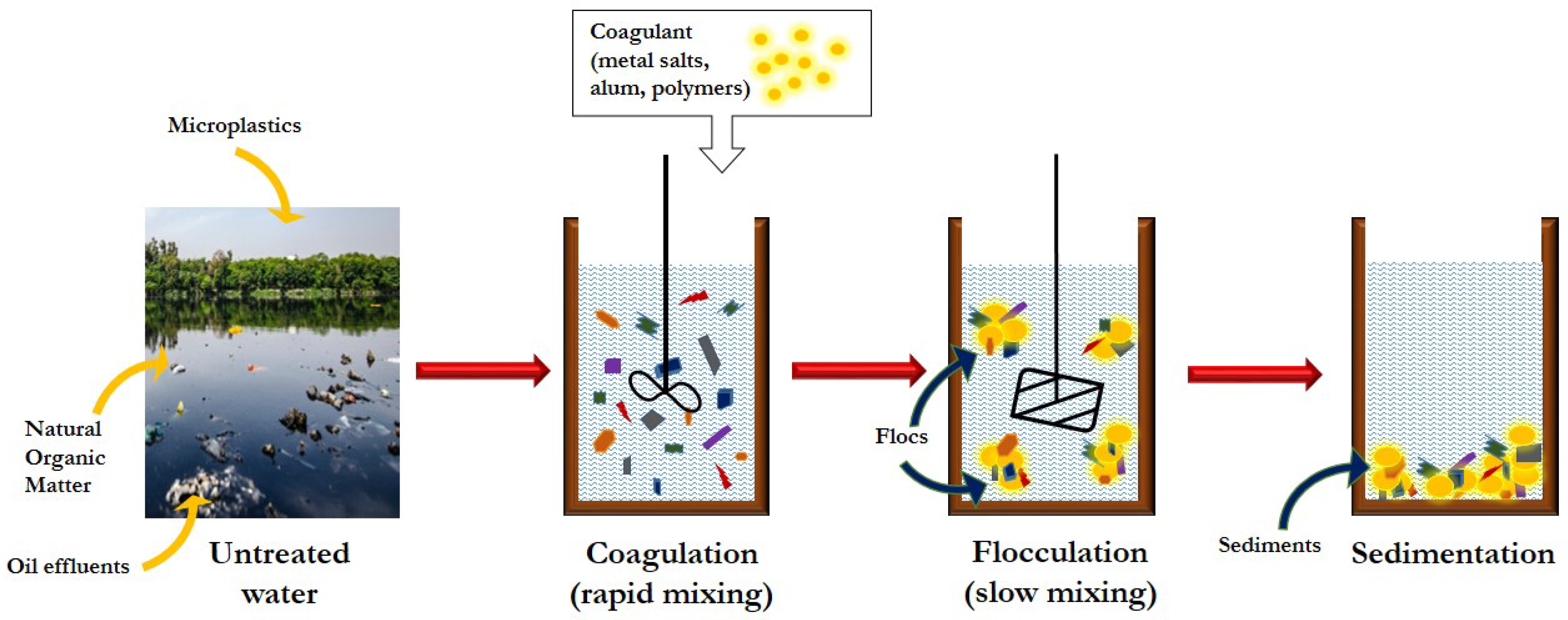
Your first instinct might be to boil the heck out of your water, right? Good instinct, but it’s a flawed one. Boiling kills bacteria and parasites, which is fantastic, but it doesn’t destroy most plastics—it just tempers them like a bad spa day. In fact, boiling water can release more chemicals from certain plastics into the water. So, skip the desperate boil unless you’re trying to make tea.
What boiling can do is help reduce some “hard” microplastics by turning them into calcium carbonate particles that sink? Eh, it’s a niche hack. Stick to the real solutions.
Solution 1: The Classic Carafe Filter (Your First Defense)
You know those big plastic pitchers sitting in your fridge? A standard activated carbon filter (like a Brita or PUR) is actually pretty decent at trapping larger microplastics. Think of it as a bouncer for your water pitcher, keeping the party crashers above 2.5 microns out.
But here’s the kicker: they’re not perfect. They catch some, but the really sneaky, nano-sized plastics can waltz right through. So, it’s a good start, but not a total victory dance. Change your filters on time, or you’re basically just breeding a plastic farm in your fridge.
Solution 2: Reverse Osmosis (The Overachieving Hero)
If you want to get serious—like, “suit up and go to war” serious—look into a reverse osmosis (RO) system. This is the gold standard. It pushes water through a membrane so fine that it blocks almost everything, including microplastics, lead, and even some viruses. It’s like a superpowered colander.
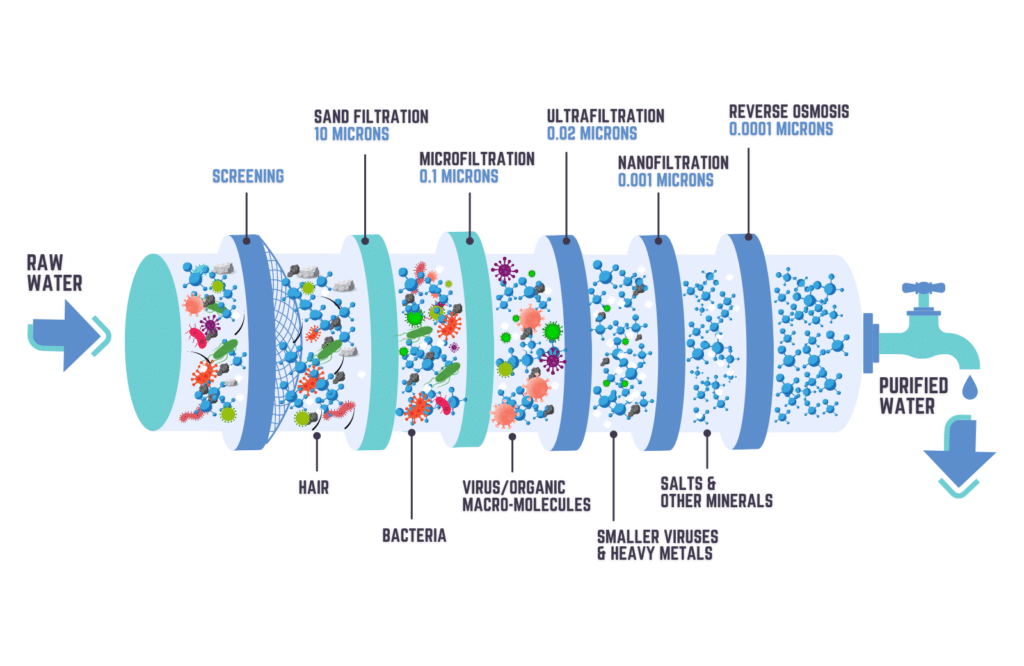 How to Remove Microplastics From Water
The catch? It wastes a lot of water (about 3-4 gallons for every 1 gallon of clean water) and it’s pricier. But if you’re a paranoid perfectionist (me, hi), an under-sink RO unit is your best friend. Plus, you can stop playing “guess the crunch” with your water.
Solution 3: Distillation (The Old-School Way)
This is literally the process of boiling water, catching the steam, and letting it re-condense into pure liquid. Plastics don’t boil; they stay behind in the pot like sad, leftover ghosts. Distillation is excellent at removing microplastics, salts, and pretty much everything else.
The downside? It’s slow, uses a ton of energy, and the water tastes “flat” because it’s stripped of minerals. You’ll need to re-mineralize it if you drink it daily. Basically, it’s the “write-a-novel-by-hand” method of water purification. It works, but who has the time?