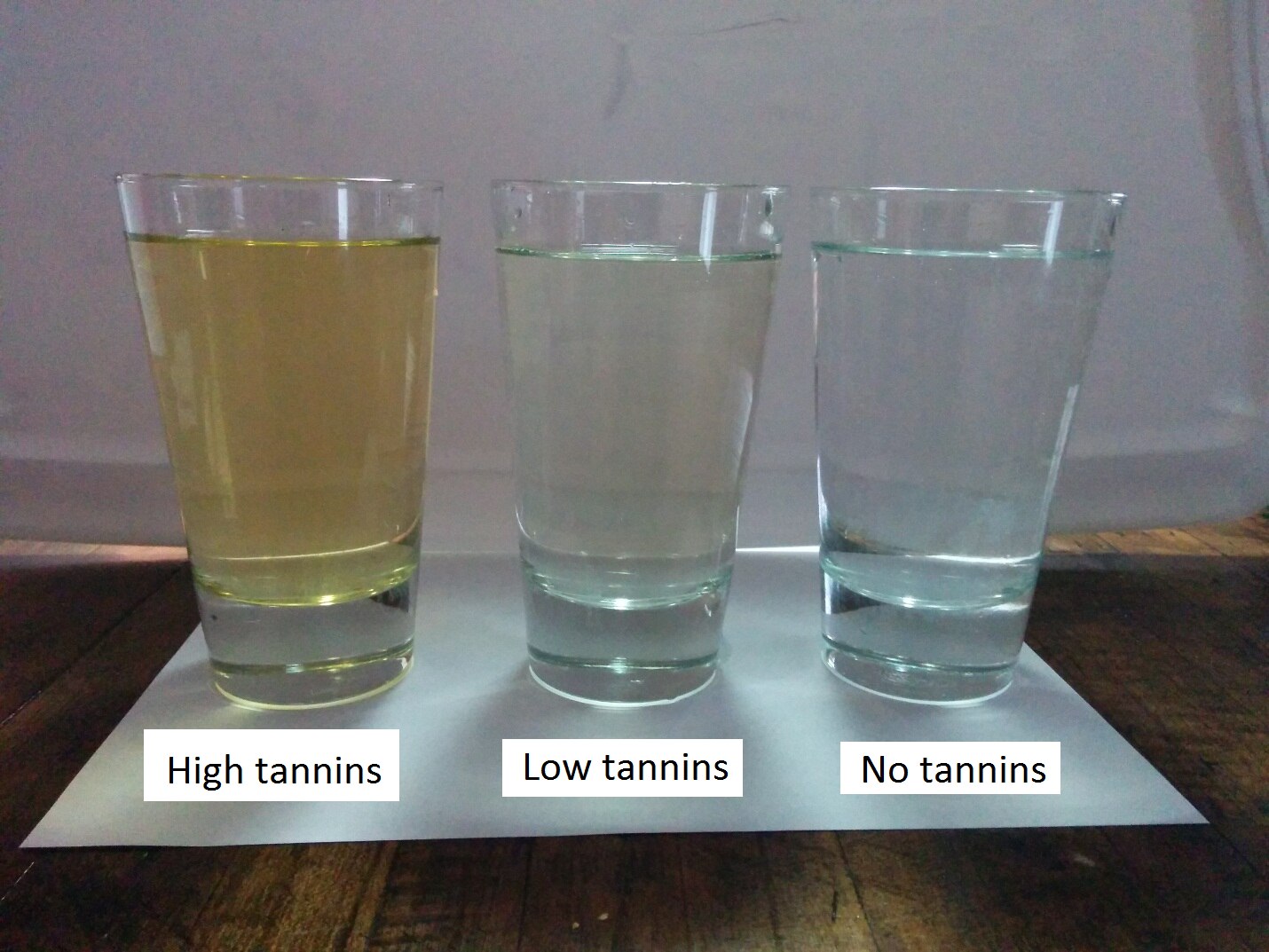
In the simplest terms, tannins are natural organic compounds—think of them as nature’s little astringent machines. They’re part of a larger group called polyphenols, which plants produce to defend themselves from bugs, UV rays, and decay.
When you taste them in water, it’s because the water has passed through decaying vegetation, peat, or leaves—like the stuff from my grandma’s woods. Side note: they’re the same compounds that make unripe fruit feel like sandpaper on your tongue. Fun, right?
How Does Water End Up with Tannins?
It’s all about the water cycle and a little thing called “where your water comes from.” If your source is a lake, river, or shallow well surrounded by swampy areas or forests, you’re getting a tannin infusion. Rainwater seeps through layers of decaying leaves, roots, and peat, dissolving those compounds like a giant tea bag.
Think of it as the water’s way of saying, “I’ve been hanging out with dirt and plants.” That’s why well water in rural areas or mountain springs often has that yellowish or brownish tint—it’s not mud; it’s tannins showing off their color. And if you’re drinking from a municipal supply, they usually filter that out, but not always perfectly.

