We’ve all been there. It’s not just you. That yellow tint is surprisingly common, and it usually isn’t a sign your house is about to sprout gills. Let’s be real: the panic only lasts about ten seconds. Then you just sigh and start boiling water for your coffee, muttering about the "rustic charm" of your home.
I remember the first time I saw it. I was a new homeowner, full of confidence. I filled a glass, held it up to the light, and gasped. I genuinely thought some ancient dinosaur juice had leaked into my pipes. My neighbor just laughed and said, "Oh, that’s just Frank." I had no idea who Frank was, but apparently, he lived in the water main.
Rust, Not a Science Experiment
Here’s the real, boring, yet hilarious truth. That yellow water is almost always just rust. Iron and manganese, which are naturally in the ground, get into your water supply. When the water sits still in pipes, especially old metal ones, it picks up these minerals like a sponge picking up dirt from a muddy floor.
Think of it like a teabag. Your pipes are the teabag, and the water is hot water. Give it a few hours to steep – like overnight – and you get a lovely, yellow brew. It’s not poison. It’s just mineral tea you didn’t order. The real kicker? The water is probably perfectly safe to drink; it just looks like it’s judging you for your life choices.
And sometimes, it’s not even your fault. The city might be flushing fire hydrants or repairing a main line. This stirs up all the sediment in the big pipes. Suddenly, your entire neighborhood is dealing with Goldfish Tank Chic. You’ll see your neighbor, holding a hose, looking at the water like it personally insulted his lawn.
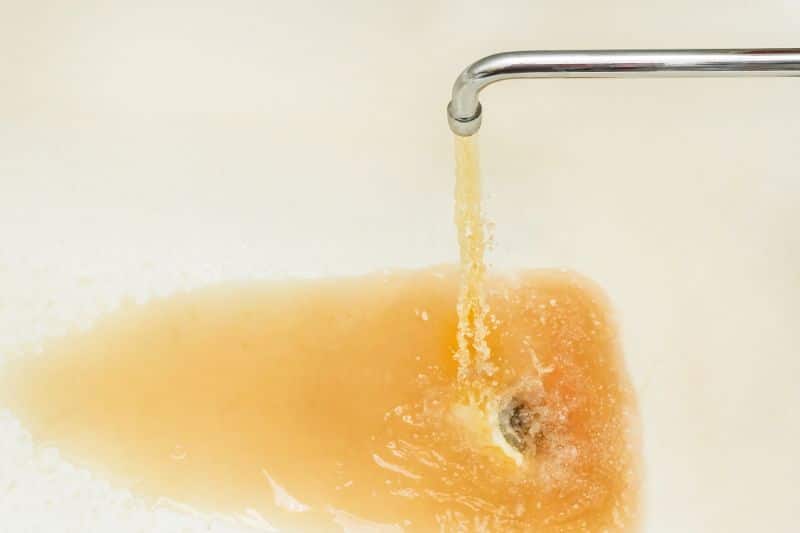 Why is My Water Yellow? What Can I Do to Fix It?