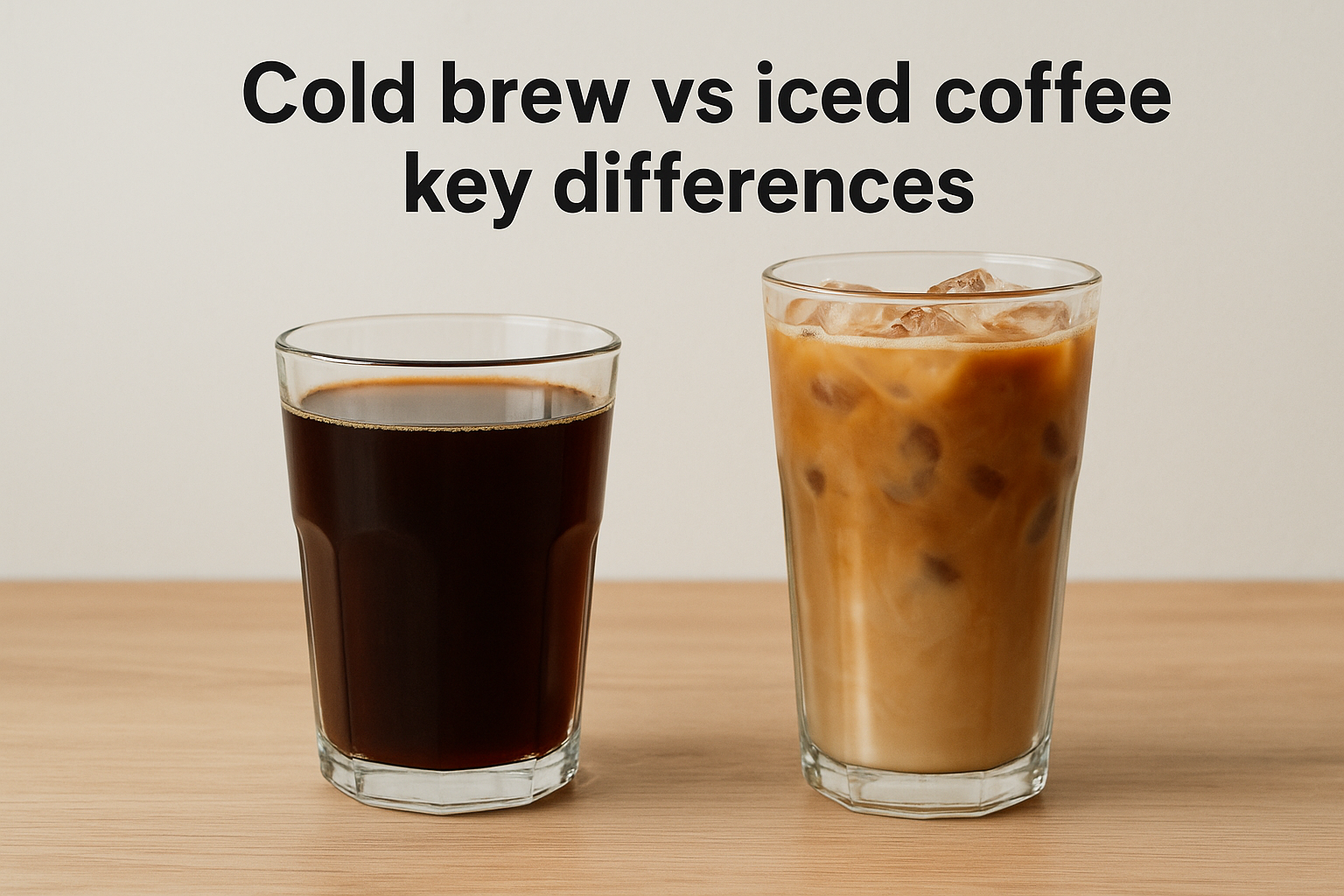
Here’s the nerdiest fact you’ll read today: heat extracts chemical compounds from coffee grounds faster than cold water. That includes the delicious stuff (oils, caffeine) but also the cranky stuff (acids, bitter tannins). Cold water is picky—it mostly grabs the sweet, chocolatey flavors and leaves the grumpy molecules to sulk in the grounds.
Surprising Fact #1: Despite its gentle nature, cold brew actually has more caffeine than iced coffee—about 20-30% more per ounce. It’s like a ninja in a suit: looks smooth, will knock you out cold. Iced coffee, while still potent, is more of an enthusiastic jogger.
Also, cold brew is concentrated. Most cafés serve it as a concentrate mixed with water or milk. Drink it straight and you’ll vibrate through the ceiling—I once saw a pigeon explode from secondhand buzz. (Okay, that’s an exaggeration, but you get the point.)
Which One Is Your Caffeine Soulmate?
If you’re lazy and impatient, iced coffee is your best friend. You brew coffee the normal way, cool it down, and dump it over ice. It takes maybe five minutes. Perfect for mornings when you’re still wearing one sock and your brain hasn’t booted up yet.
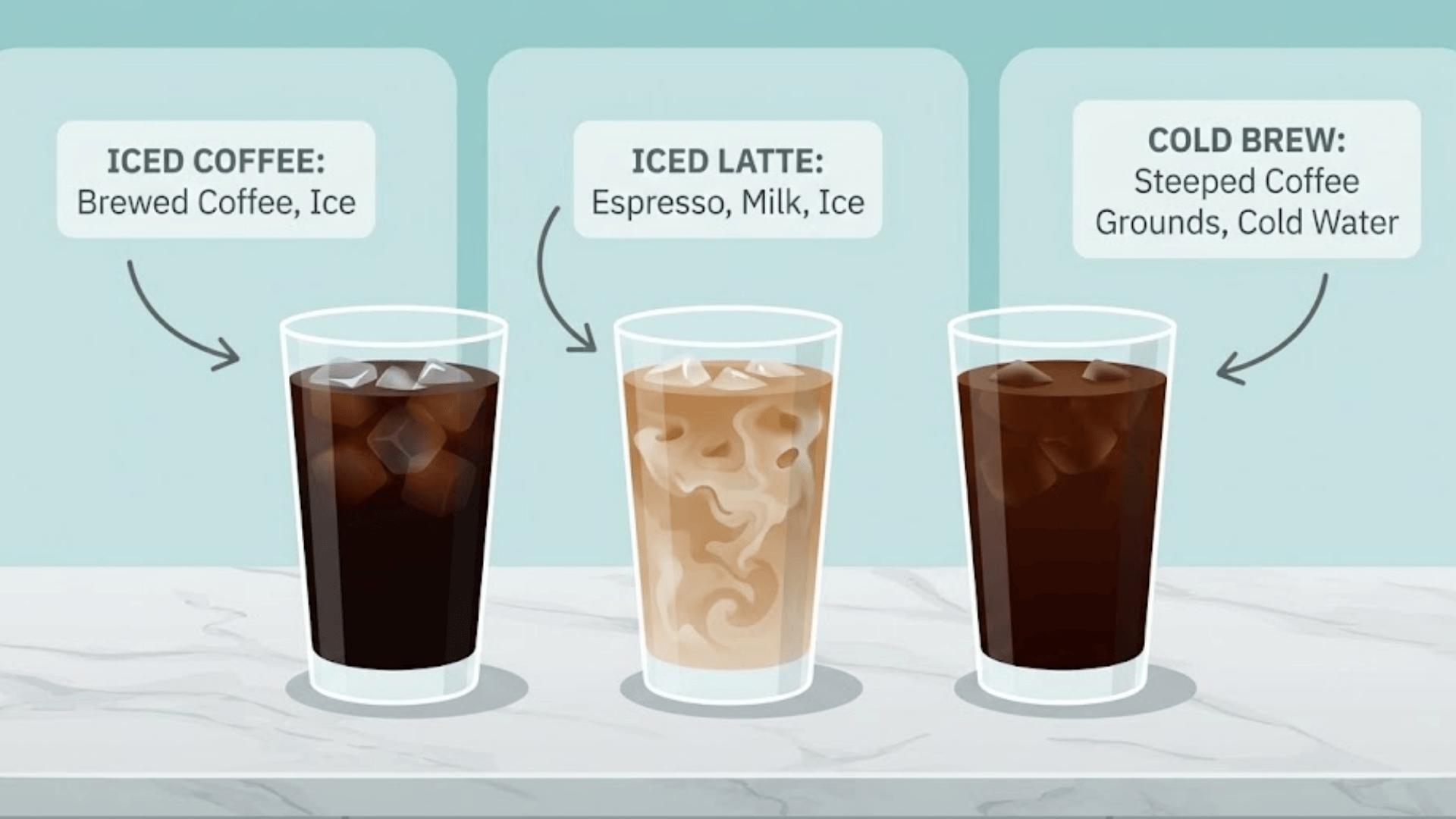 What Is an Iced Latte? Meaning, Taste, and Variations - Eat Thrive Glow
If you’re a planner (or just obsessive), cold brew wins. You need to start the night before, let it steep for 12-24 hours, then strain it. It’s like a relationship with a slow cooker—requires forethought, but the payoff is glorious. I personally set a timer on my phone labeled “Do Not Touch, Coffee Ghost” to keep my curious hands off the jar.
But here’s the trap: not all iced coffee is equal. Some shops make “iced coffee” by just pouring yesterday’s leftovers over ice. That’s not coffee—that’s liquid regret. Real iced coffee should be freshly brewed hot, then chilled quickly to preserve flavor. If your iced coffee tastes like burnt asphalt, they did it wrong.