Let’s be honest: we’ve all stood in the grocery store aisle, staring at a wall of plastic bottles, wondering if we’re making a life-and-death decision or just buying fancy rain. You pick up a bottle marked “Purified Water.” Next to it, a label screams “Natural Spring Water.” It feels like choosing between a tailored suit and a comfy hoodie—both do the job, but one seems fancier.
The truth is, the difference is simpler than you think. It’s not about which one is “better,” but about where the water came from and how it got cleaned up. Think of it like this: spring water is the cool kid who grew up in the countryside, while purified water is the city slicker who got a full spa treatment.
Spring Water: The Trusty, Unfiltered Friend
Spring water comes from, well, a natural spring. It’s collected at the source, usually from an underground aquifer, and it’s bottled with minimal processing. The government says it has to contain no more than a tiny amount of additives, and it must retain its original mineral character. Basically, it’s the water that rain dug into the earth, hung out with some rocks, and decided to bubble up for you to drink.
This is your friend who brags about “eating local” and “keeping it real.” You taste a subtle, earthy difference—sometimes a hint of calcium or magnesium. It’s like that homemade lemonade from Grandma’s porch: you know it’s not perfectly consistent, but that’s part of the charm. You trust it because it’s natural, even if you secretly worry about the minerals messing with your coffee flavor.
I once took a sip of fancy spring water at a dinner party and said, “Wow, this has a lovely, mineral-y finish.” My friend laughed and said, “Dude, it’s just water. You’re tasting the bottle’s label.” But I swear, I felt like a sommelier. Spring water is for the moments you want to feel connected to nature, even if that nature is miles away and sold in plastic.
Purified Water: The Overachiever with a Filter
Purified water is the control freak of the hydration world. It can come from any source—tap water, groundwater, even a melted snowman—and then it’s aggressively cleaned. The process might use reverse osmosis, distillation, or deionization to strip out almost everything: minerals, bacteria, chemicals, and your worries about mysterious floaters. By the end, it’s usually more than 99% pure H₂O.
If spring water is a rustic farm-to-table salad, purified water is that perfectly cubed, seedless watermelon you buy pre-cut. It’s reliable. It tastes like… nothing. And that’s exactly the point. No weird aftertaste, no mineral surprises—just clean, blank-slate water that won’t mess with your tea, your coffee, or your delicate stomach after a spicy burrito.
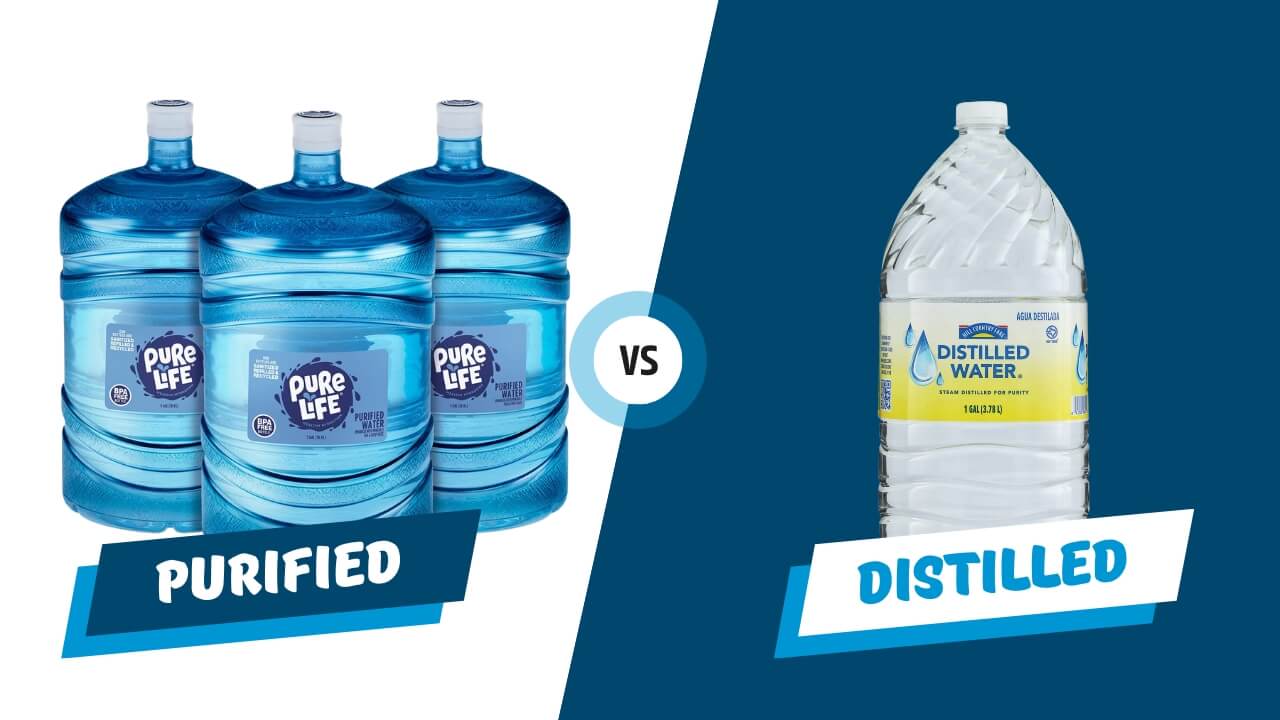 Purified water vs spring water: The truth about what’s actually in your
I drink purified water when I’m hungover or after eating too much garlic bread. It’s the emergency blanket for your insides. I once watched a friend fill a 5-gallon jug from a grocery store dispenser and say, “I don’t trust water that hasn’t been de-ironed, de-fluoridated, and de-life’ed.” I nodded, because honestly, who has time to decode groundwater geology at 7 AM?
Wait, Which One Should You Actually Drink?
Here’s the joke: your body can’t tell the difference. Unless you’re a professional coffee taster or a houseplant, your kidneys don’t care if the water came from a mountain or a municipal tap that went through a fancy filter. The main difference is in your head and your wallet. Spring water often costs more because it’s marketed with pictures of misty Alps. Purified water is cheaper because it’s basically tap water on a redemption journey.
Think about your daily life. If you’re making pasta, use the cheapest tap water purified by your Brita. If you’re hosting a brunch and want to impress, put spring water in a glass carafe and pretend it’s from a French glacier. Nobody will know. I once filled a fancy bottle with tap water at a party, and my friend said, “Mmm, so crisp!” That’s the placebo effect, my friend. That’s marketing.
A Final Sip of Truth
Both are totally safe and fine. The real villain is single-use plastic, not the type of water inside. So, if you’re trying to save the planet (and your budget), get a reusable bottle and fill it with whatever flows from your tap—or a filter. But if you want to feel fancy, grab a spring water and enjoy the imaginary mineral notes.
Just remember: when you’re dehydrated and desperate, any water will do. It’s all just wet. Whether it’s purified or spring, it will keep you alive so you can argue about it later with your friends at dinner. Cheers.