
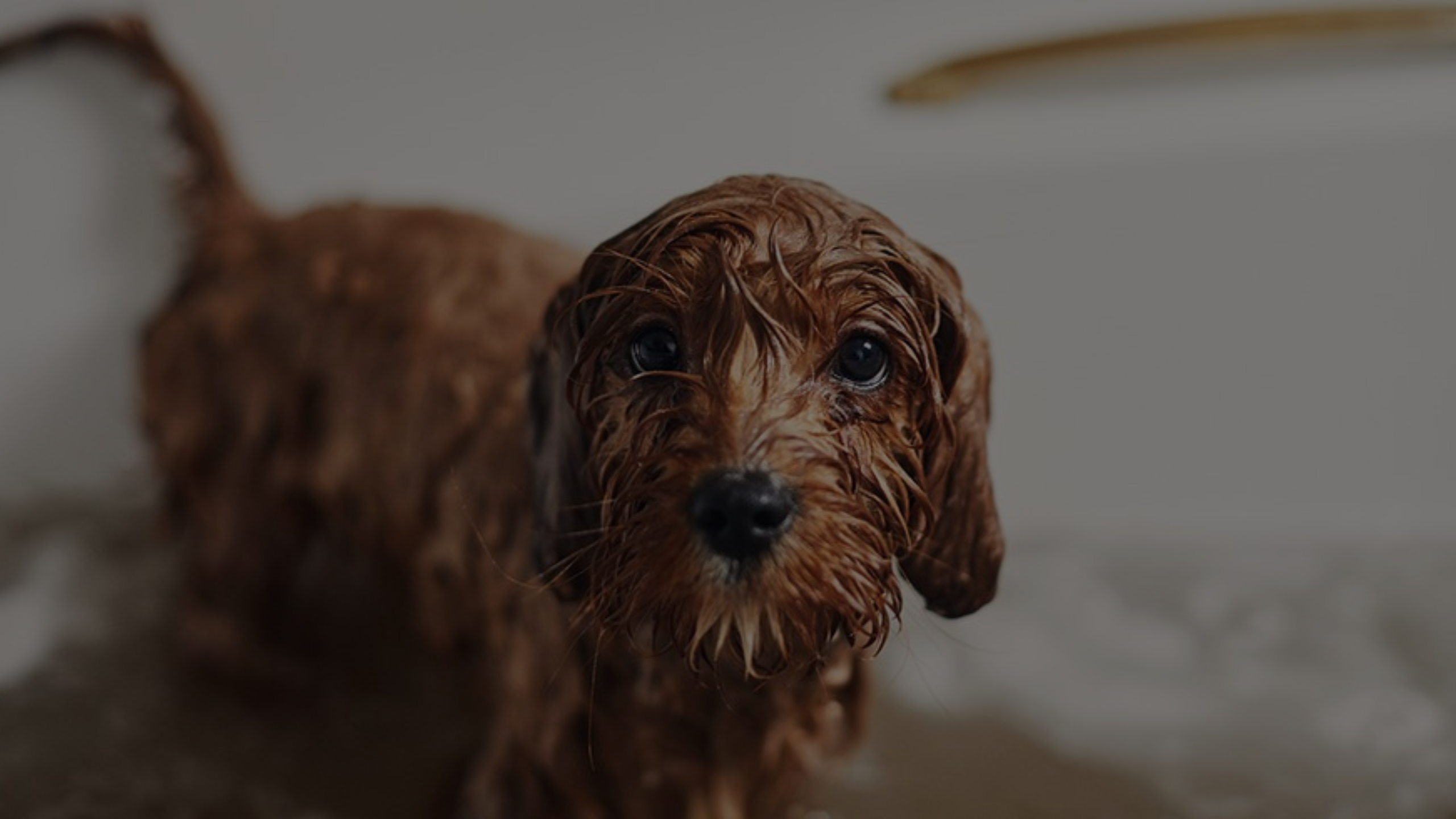
Here’s the tea (or the water, in this case). The smell is not coming from your water itself. It’s coming from the glass you poured it into. Specifically, it’s from a thin, invisible biofilm of bacteria that likes to set up camp on the inside of your drinking vessels.
Think of your water glass as a tiny, neglected swimming pool. You fill it, you sip from it, you maybe leave it by the sink overnight. That tiny bit of leftover water, mixed with your saliva and any dust from the air, is a perfect petri dish for microbes to throw a party. And their “party smell” is wet dog.
It’s not that you’re dirty. It’s that your glass is cozy. And bacteria love cozy, damp, room-temperature spots. They don’t care about your good intentions.
A Tale of Two Glasses
Let me paint you a picture. You have two glasses. One is your “daily driver” — the one you wash every week or so with hot water and a quick rinse. The other is the one you just pulled from the dishwasher, still warm and squeaky clean.
Pour water into the first glass. Wait ten minutes. Wet dog. The bacteria have woken up and started their stinky work. Now pour water into the second glass. It smells like nothing. Because that glass is sterile. The difference isn’t your water—it’s the crack team of microorganisms living in the scratches of your old, seldom-washed glass.
This is why the same water from a plastic bottle can taste great, but the same water from your bedside mug smells like a wet Labrador. It’s the surface, not the liquid.
 Why Does My Water Smell Like Wet Dog? Comprehensive Guide

