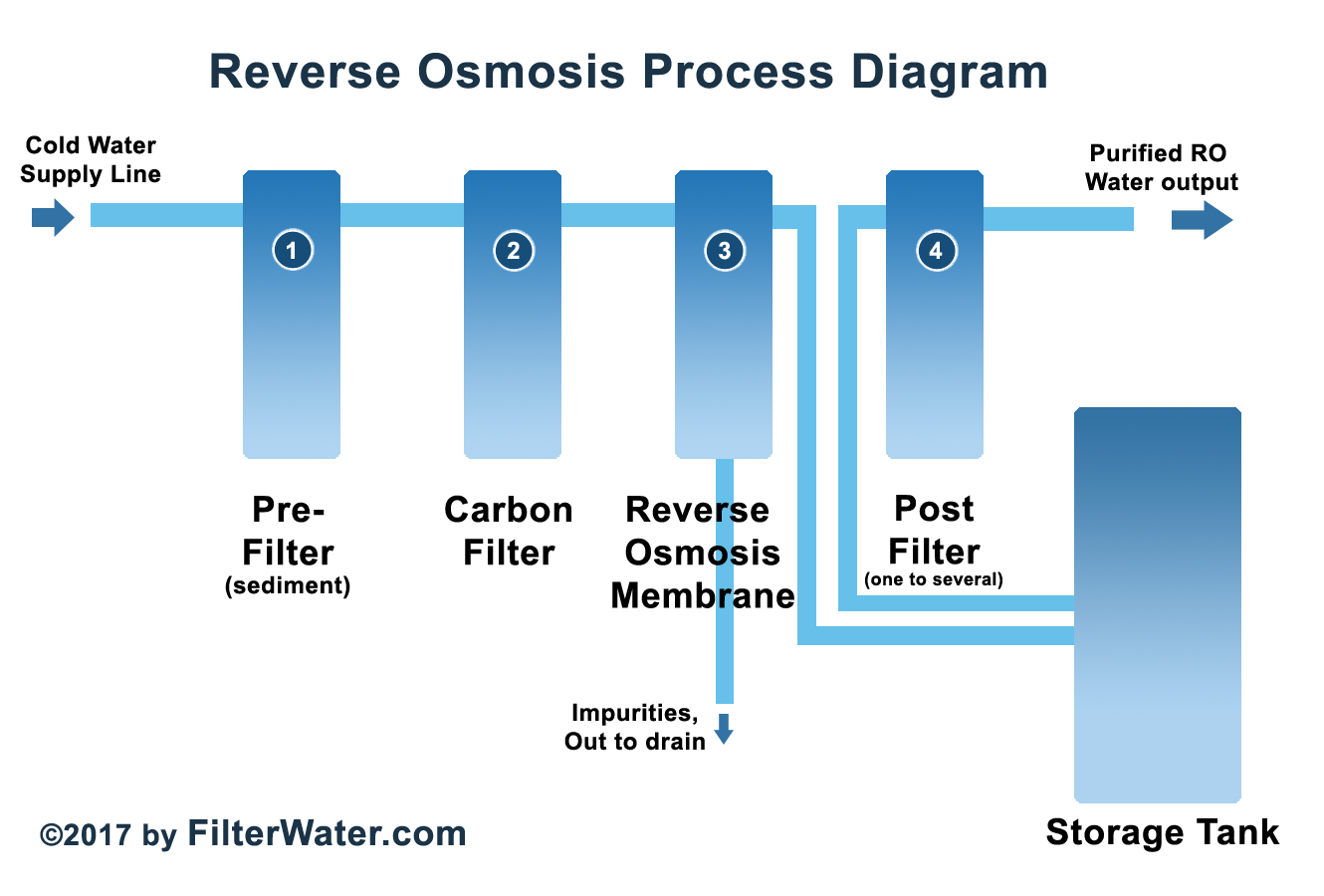
To make this magic happen, you need a reverse osmosis system. These aren’t expensive—you can snag a good one for the price of a fancy dinner out. The setup usually includes a sediment filter (catches sand and grit), a carbon filter (traps chlorine and that swimming pool taste), and the star of the show: the membrane. The membrane is the heart of the operation, a tightly rolled sheet of plastic with pores so tiny, a water molecule has to say “please” and “thank you” to get through.
You’ll also need a storage tank. Because reverse osmosis is slow. Like, “watching grass grow” slow. The water trickles through the membrane drop by drop, so the tank holds about two to four gallons of ready-to-drink glory. Don’t worry, you won’t die of thirst while you wait—unless you’re a very impatient hummingbird.

