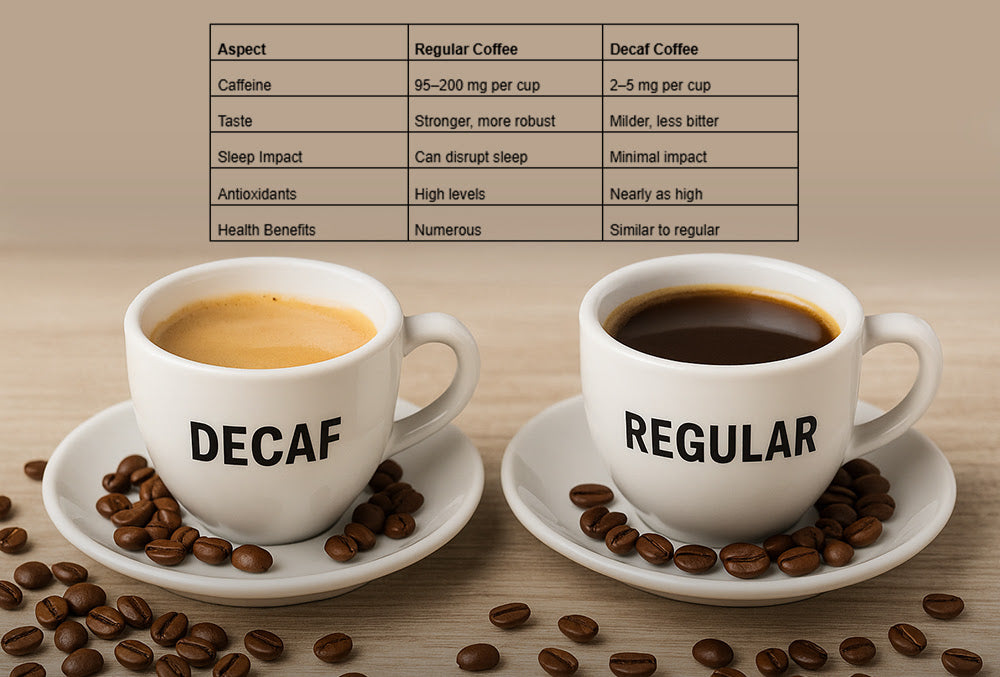
I’ll give it to you straight: if you’re a normal person who drinks 1–3 cups a day and doesn’t have a panic disorder, regular coffee is probably healthier overall because of those brain-and-liver superpowers. But if you have high blood pressure, anxiety, or you’re pregnant, decaf wins the gold medal. It’s like choosing between a sports car (regular) and a sturdy station wagon (decaf)—one is thrilling, the other is practical and won’t crash into a tree of panic attacks.
Also, let’s talk about the placebo effect. If you believe decaf is healthier, your body might relax more, lower your cortisol, and make you feel like a zen master. That’s a real health benefit! On the flip side, if you drink regular coffee and it makes you feel like a superhero, then your mental health might cheer up, too. Basically, the healthiest coffee is the one that makes you enjoy your morning without guilt—just don’t drown it in sugar and cream.
The Final Sip: A Friendly Verdict
Let’s imagine you’re at a brunch with your friends. Karen is sipping her decaf oat milk latte like it’s a sacred elixir. Dave is chugging his black coffee like he’s trying to defibrillate his soul. Which one is healthier? They’re both fine, unless Karen starts preaching about her “clean caffeine” while eating a donut the size of her head.
Here’s my take: drink what makes you feel good, but pay attention to your body. If regular coffee makes you jittery, switch to decaf for your afternoon cup. If decaf makes you feel like you’re missing a party, mix them—half-caf is the unsung hero of the coffee world. And if someone tells you decaf is “basically bean water,” just smile and say, “Bean water with a PhD in antioxidants, buddy.” Then take a sip, nod, and go live your life. Because at the end of the day, coffee—regular or decaf—is just the excuse for a good chat, a warm mug, and a moment of peace.