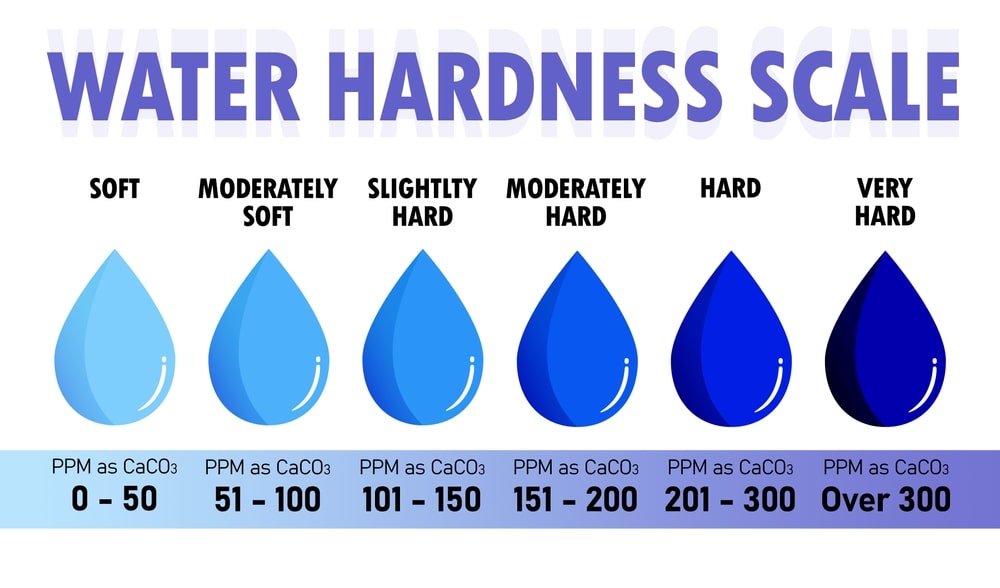
Your water softener has a secret number: the hardness setting, measured in grains per gallon (or parts per million). Think of it like a coffee maker’s brew strength dial. Set it too low, and you get weak coffee—or worse, still-hard water. Set it too high, and you’re wasting salt and money.
Why does this matter? Because every drop of hard water that hits your shower head leaves a tiny mineral barnacle behind. Over months, those barnacles choke your pipes, ruin your water heater, and make your hair feel like straw.
Getting the number wrong is like trying to season a soup without tasting it. You might add too much salt, or not enough—and your faucets will be the ones that suffer.
How To Find Your Water’s "Personality"
First, you need a water test kit. It’s cheaper than a pizza and way more useful for your home’s health. Dip a strip in your tap, wait 10 seconds, and compare colors. That little strip is your water’s résumé.
Hardness typically ranges from 1 to 10+ grains per gallon (gpg). If your test says 7 gpg, that’s your baseline number. But here’s the cool part: you don’t just punch in “7” and call it a day. You also need to account for iron.
Iron in your water acts like a bully. It makes the hardness higher than it actually is. So if your water has 2 parts per million (ppm) of iron, you typically add 4 or 5 grains to your setting. It’s like turning up the volume because the room is big and noisy.