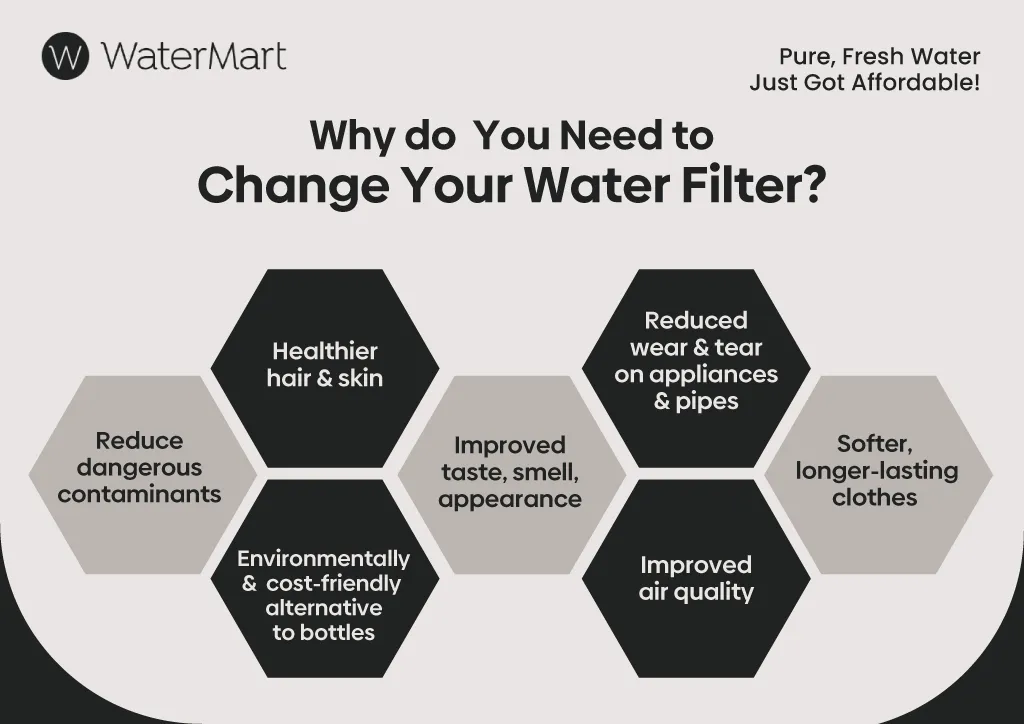
Here’s the interesting bit: filters don’t just trap dirt. They use activated carbon to attract bad stuff like a magnet, holding onto chemicals so you don’t drink them. But that carbon has a limit. Once it’s full, it stops working. Worse, trapped bacteria can start growing on the old filter. So, a stale filter can actually make your water less safe over time. Gross, right?
Think of it like a sponge for a messy spill. You can keep using the sponge, but eventually it’s just smearing the juice around. Your water filter is that sponge. Replace it before it turns into a petri dish. That’s the science, and it’s pretty cool—if not a little icky.
Real Life vs. The Sticker
Do you have a big family? Drink a lot of water? Maybe a hyper dog that drinks from the pitcher? You’ll need to swap filters more often. Like, every month or two. It’s about volume, not just time. A filter in a bachelor pad can last longer than one in a house with four thirsty teenagers.
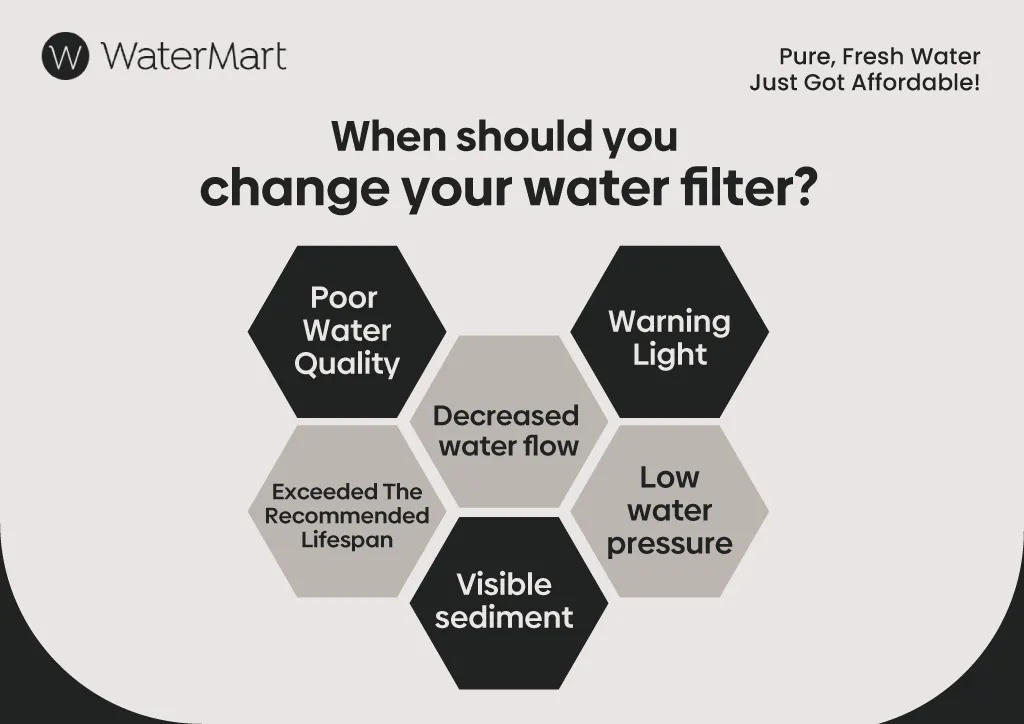 How Often Should I Change My Water Filter?- A Practical Guide
Also, your source water matters. If you’re on city water with lots of chlorine, the filter works harder. Hard water (minerals) can clog it fast. Well water? You’ll change filters even more frequently because of sediment. It’s like a car: a city driver has different maintenance than a mountain road warrior.