
Life happens. Maybe you left the gas cap off during a rainstorm. Or you bought fuel from a station with a leaky underground tank. It’s more common than you think, and it’s a total buzzkill for your engine. Water in gas can cause sputtering, stalling, and a lot of head-scratching. But don’t panic—you’ve got options.
We’re going to talk about a few methods. Some are silly easy, others need a bit of elbow grease. Pick your poison based on how much time and patience you have. And yes, I’ll throw in some warnings, because playing with flammable liquids is fun until it’s not.
Method 1: The Lazy Way (Gravity Separation)
This one is pure physics, and you don’t even need to move. Water is denser than gasoline, so it sinks to the bottom. Just let your fuel container sit undisturbed for a few hours. Seriously, go watch a movie. Come back, and you’ll see a clear line between the dark fuel and the watery layer below.
Now, the tricky part is getting the good gas out without slurping up the water. Use a siphon hose or a turkey baster (washed first, please) to draw off the top layer. Don’t poke the bottom. That’s where the wet stuff lives. It’s not rocket science, but it’s remarkably satisfying when you see that clean fuel in your jar.
Method 2: The “I Have Chemicals” Approach
Okay, so you’re impatient. Or you’ve got a whole tank of gas in your car and don’t want to empty it. Enter fuel additives like isopropyl alcohol or commercial water removers. These little bottles are magic—they bind with the water and let it burn off harmlessly in the engine.
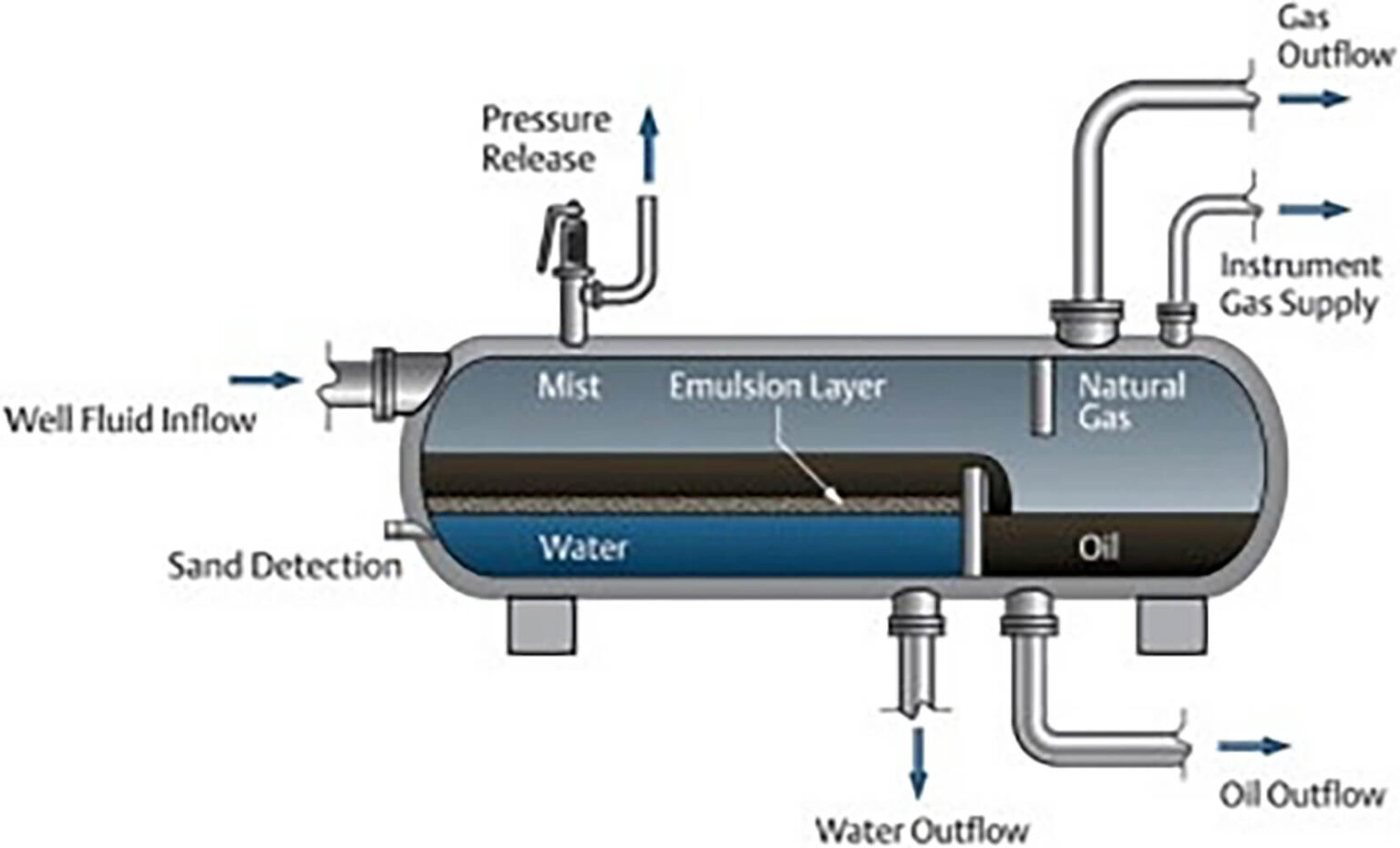 Three phase separators | Forain
Pour the additive in, drive around for a bit, and poof—the water is gone. But read the label first. Some additives can mess with your fuel system if you use too much. Also, don’t use rubbing alcohol from your bathroom cabinet. It has other stuff in it that’s bad for your engine. Get the real deal from an auto parts store.
Method 3: The Mad Scientist Distillation
This is for the brave. Or the bored. You can actually boil the gas and water mixture, then condense the vapor back into a liquid. Water boils at 100°C (212°F), while gasoline boils at a much lower temperature—around 25-95°C (77-203°F) depending on the blend. So if you gently heat the mix, the gas will evaporate first.
Set up a still (please don’t use your kitchen stove). Route the vapor through a tube into a cold container, and you’ll get pure gasoline condensing out. The water stays behind. But here’s the big warning: gasoline fumes are explosive. Do this outdoors, away from any flame or spark. And maybe don’t try it if you’ve got kids or pets running around. Honestly, unless you’re a chemist or a moonshiner, stick to the first two methods.
What About in Your Car’s Gas Tank?
If the water is already sloshing around in your car, you’ve got two moves. First, try the additive method I mentioned. Most auto shops sell a bottle of “Heet” or “Dry Gas” for under five bucks. It’s cheap and it works. Second, if there’s a lot of water (like you can see it at the fuel filler neck), you might need to siphon the whole tank.
To siphon, get a hose, stick it in the tank, and suck the other end (gross, but it’s fine). Catch the liquid in a clear jug. Let it settle, then pour off the top gas into your lawnmower can. The bottom water—yeah, don’t put that anywhere near an engine. Just toss it responsibly. Remember: patience beats panic every time.
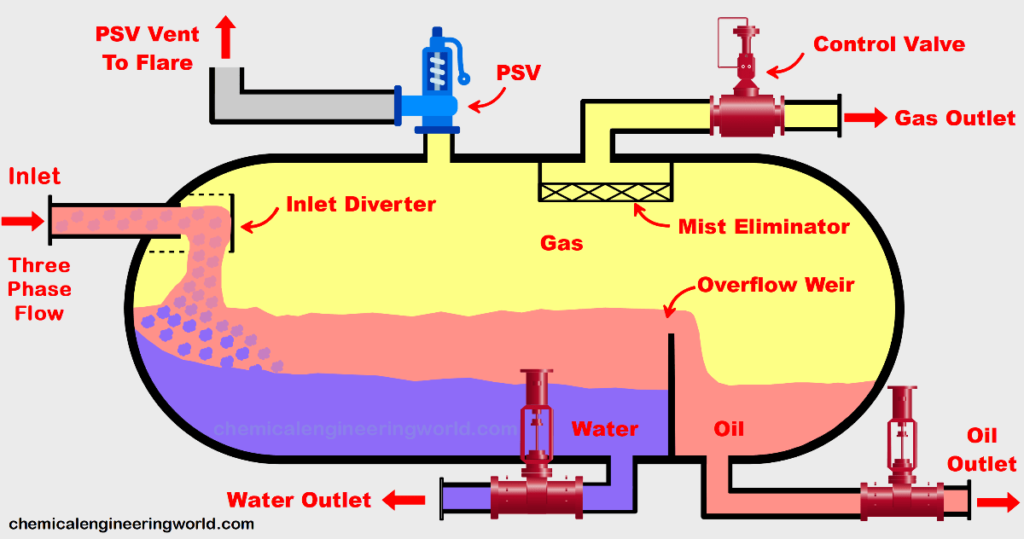 Three Phase Separator - Chemical Engineering World

