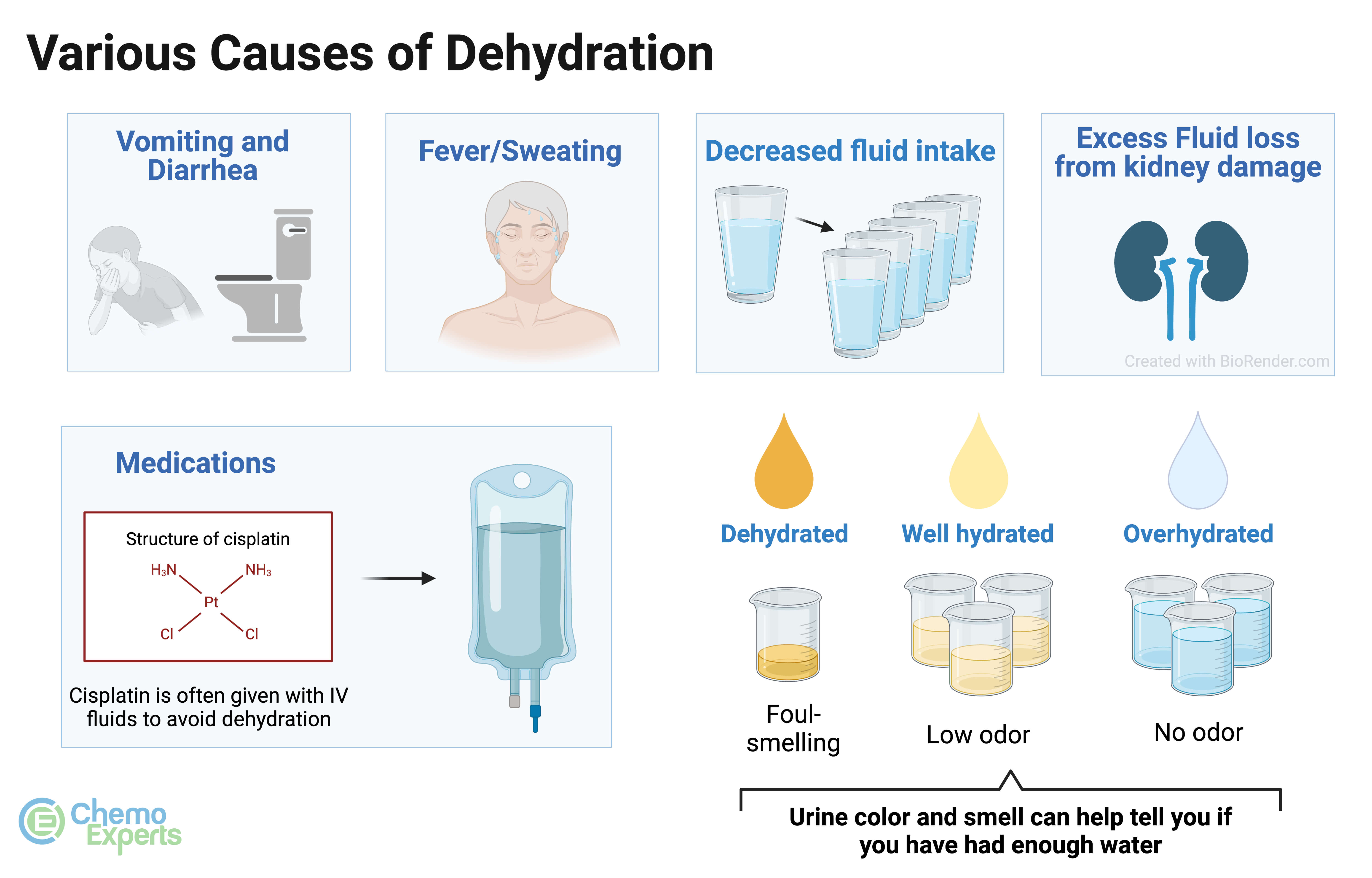
Water isn’t the only thing you lose when you sweat or skip a glass. You also lose electrolytes—sodium, potassium, and magnesium. These little charged particles are how your nerves talk to each other.
When electrolyte levels drop, your nerve signals become garbled. It’s like a walkie-talkie with dying batteries. Your brain gets confused signals from your gut, interpreting a simple empty stomach as a major emergency.
That’s why plain water sometimes isn’t enough. If you’re really dehydrated, your body might reject it until you add a pinch of salt or a splash of juice. Your nervous system is basically begging for a clearer line of communication.
The Evolution of Queasiness
From an evolutionary point of view, this nausea is actually a clever trick. Early humans who got dehydrated in the hot savanna needed a reason to find water, fast. Nausea made them stop, feel terrible, and seek liquid.
The body also slows down digestion when it’s low on fluids. Why waste precious water breaking down a heavy meal? Nausea is your body saying, “Put that sandwich down. We’ve got bigger problems.”
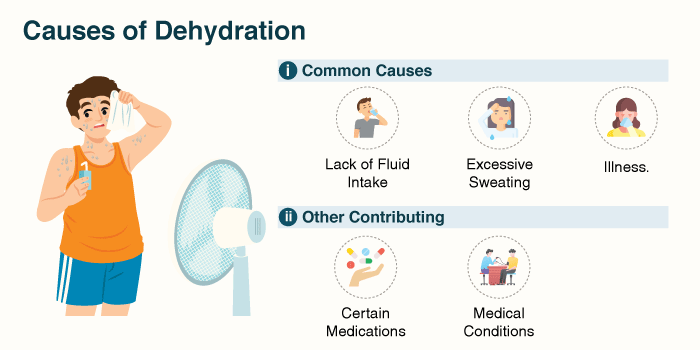 Signs Of Dehydration Feeling Sick
It’s a survival override. Your body pauses all non-essential functions (like eating) to focus on the last priority: finding water. You’re not broken—you’re just running on a very old, very smart programming.

