Now, what if you lift the lid and see water all the way to the rim? That’s a red flag. It means your softener is stuck in a regeneration cycle, or the float valve is jammed. Picture a toilet that keeps running—same vibe, saltier water. If you see this, you might need to clean the float or call a pro. Don’t stick your arm in there unless you want to smell like a pickle’s bathtub for a week.
On the flip side, if the tank is bone dry, that’s also bad. A dry tank means no brine, which means your water is getting zero softening. Your shower will feel like you’re washing off with chalky static. I learned this the hard way when my girlfriend asked, “Why does my hair feel like straw?” The answer: no water in the brine tank. That night, I poured a bucket of water in and apologized to the plumbing gods.
The “Set It and Forget It” Myth
People think water softeners are like slow cookers—you fill them with salt and walk away forever. They’re not. They’re more like a needy houseplant. You have to check the water level every month or two. Lift the lid. Look at the water. If it’s below the salt, you’re golden. If it’s above, poke around. If it’s dry, pour some in. Don’t overthink it. Most tanks have a fill line or a mark inside, like the measuring cup your grandma uses for pancake mix.
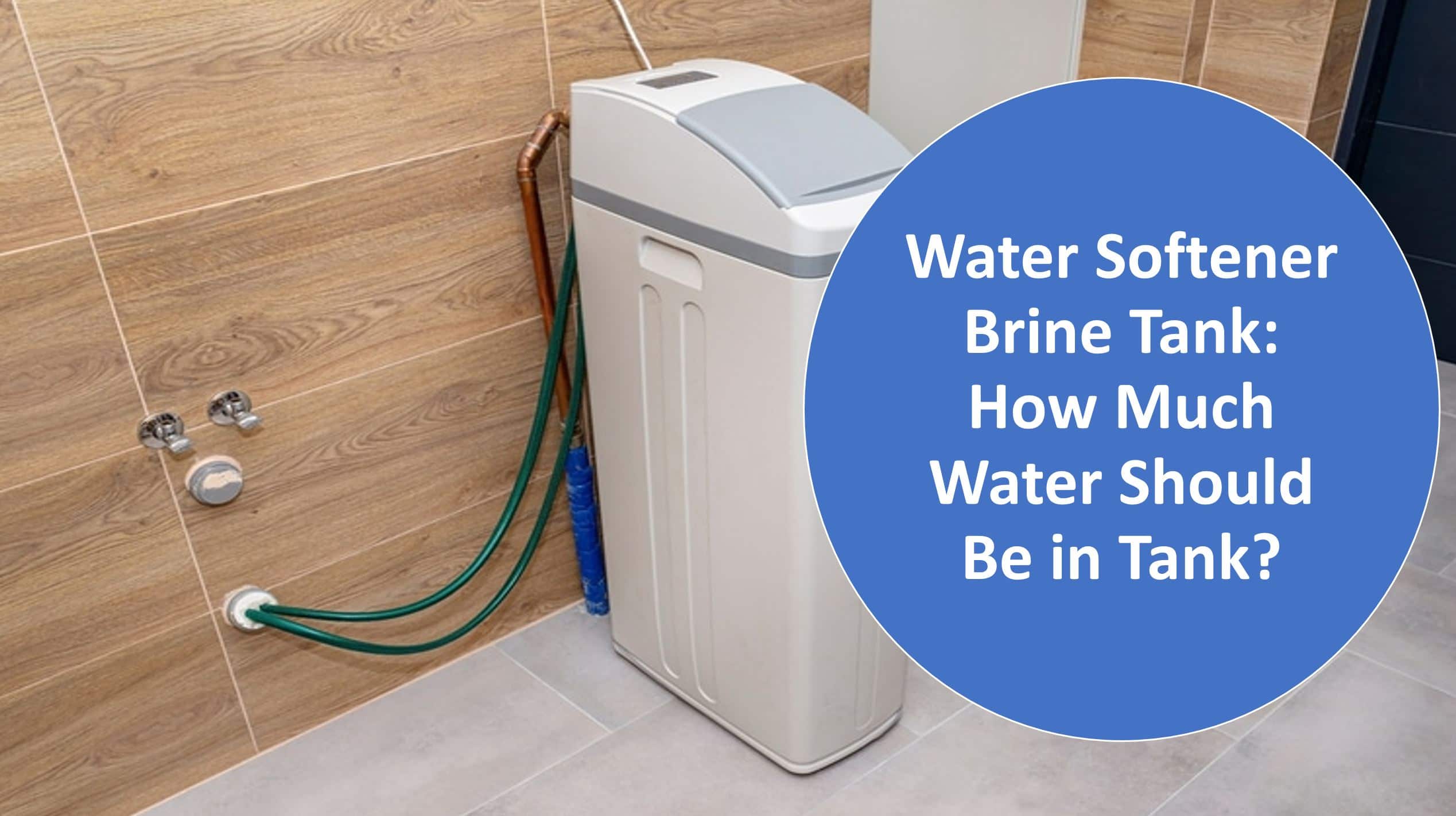 Water Softener Brine Tank Water – CMRNG
Here’s a pro tip: use the “salt dosage” setting on your unit. If you set it higher, you’ll use more water during regeneration. If you set it lower, less water. The manual will tell you the sweet spot, but if you’re lazy like me, just aim for the half-full look. Your softener will forgive you.