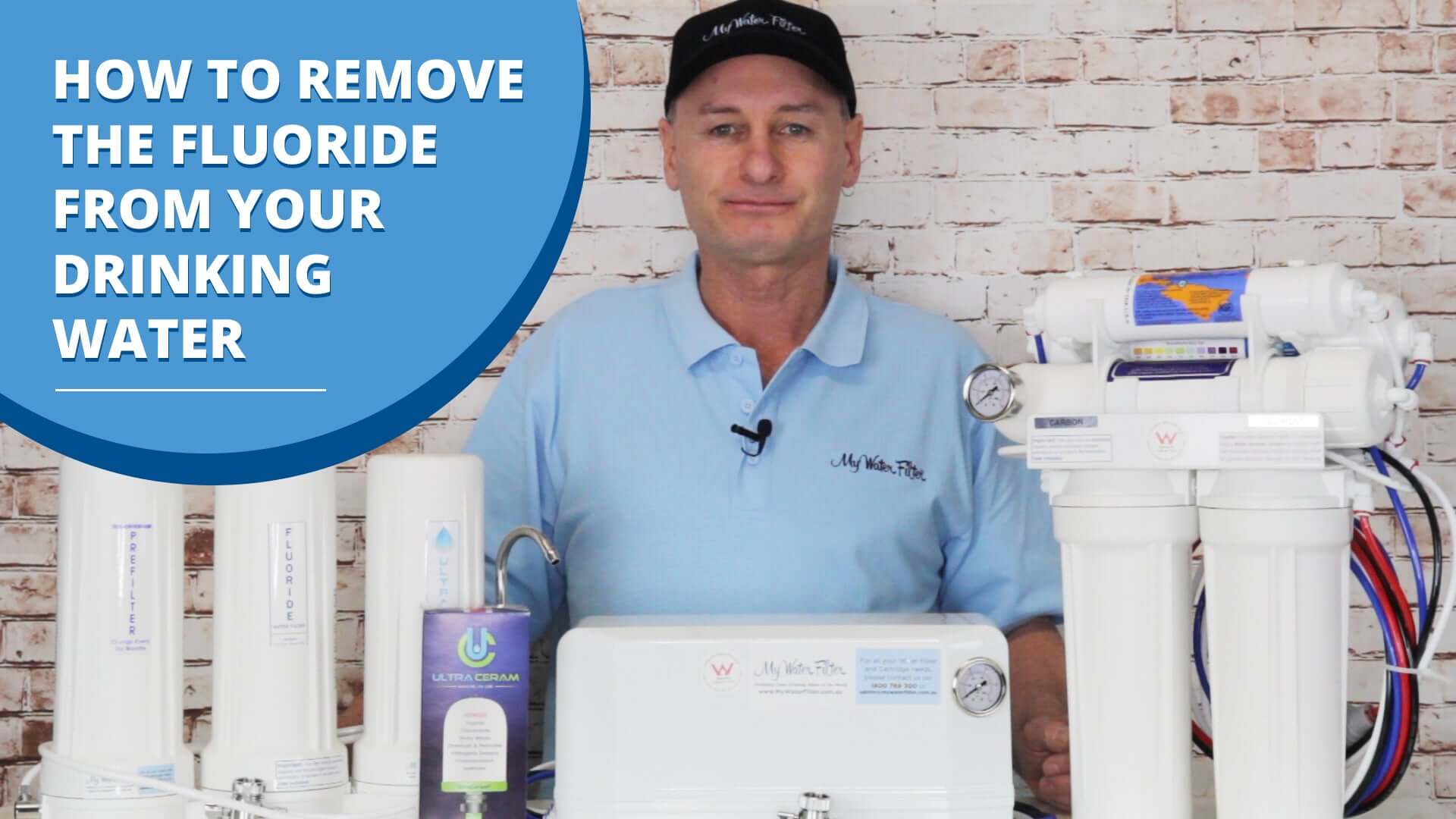
How To Eliminate Fluoride From Drinking Water
So, you’ve decided to wage war on fluoride. Maybe you’ve seen a tinfoil hat-wearing YouTube guru, or perhaps you just don’t like the idea of a chemical that was once used in r...
So, you’ve decided to wage war on fluoride. Maybe you’ve seen a tinfoil hat-wearing YouTube guru, or perhaps you just don’t like the idea of a chemical that was once used in rat poison (true) being added to your tap water. Whatever your reason, welcome to the world of home chemistry, where paranoia meets plumbing.
Let’s get one thing straight: boiling your water does nothing. Nada. Zilch. If you boil a pot of fluoridated water, you’re just making hot, fluoridated steam and a concentrate of the stuff at the bottom. You’ve basically created a fluoride soup.
So, what actually works? The first and most famous solution is the reverse osmosis system. Think of it as a bouncer for your water molecules—it’s so picky it kicks out almost everything, including fluoride, lead, and that weird taste from old pipes.
Here’s the funny part: a reverse osmosis system is basically a tiny, overachieving supermodel. It wastes a ridiculous amount of water—like three to four gallons down the drain for every one gallon you get to drink. Your water bill will cry, but your conspiracy theories will sing.
If reverse osmosis sounds too fancy (or too wasteful), there’s the activated alumina filter. This is a gritty, sand-like material that acts like a fluoride sponge when water passes through it. It’s the most targeted solution, but you have to replace the media every few months, or it starts “burping” fluoride back into your water.
And distillation? Oh, distillation is the old-school, high-effort method. You boil water, catch the steam, and let it condense into pure H₂O. It’s basically making moonshine, but boring. Distillation removes nearly everything—including beneficial minerals—so your water ends up tasting like a blank stare.
Now, here’s a shocking fact to drop at your next awkward dinner party: most common countertop Brita or Pur pitchers do not remove fluoride. Those charcoal filters are great for chlorine and bad tastes, but they treat fluoride like a distant cousin they refuse to acknowledge. You’ve been drinking filtered “pretty water” while the fluoride still parties in your glass.
 How to Remove Fluoride from Water: 4 Effective Methods
To fix that, you need a special filter labeled “for fluoride reduction.” These usually contain a blend of ion exchange resin and activated carbon. They work, but they’re as slow as a line at the DMV. You’ll wait hours for a pitcher to fill, and by then you’ll be too thirsty to care about your conspiracy.
Let’s talk about the “magic” solutions you see online. No, putting a slice of cucumber or a crystal in your water does nothing. Fluoride is a tough little ion—it laughs at your wholesome vibes. And please, for the love of all that is holy, do not try to add baking soda or vinegar thinking you’ll neutralize it. You’ll just create a fizzy mess of science-failure.
Here’s another wild fact: fluoride is naturally occurring in many water sources—sometimes at levels way higher than what’s added. So if you live near a mountain spring, your “pure” water could already have more fluoride than the municipal supply. Mother Nature is the original tinfoil hat truther.
If you’re on a budget, the cheapest hack is to use rainwater. Catch it from a clean roof, boil it to kill bacteria, and you’re fluoride-free. But be warned: acid rain is a thing, and bird poop on your roof is also a thing. Drink with caution and a sense of humor.
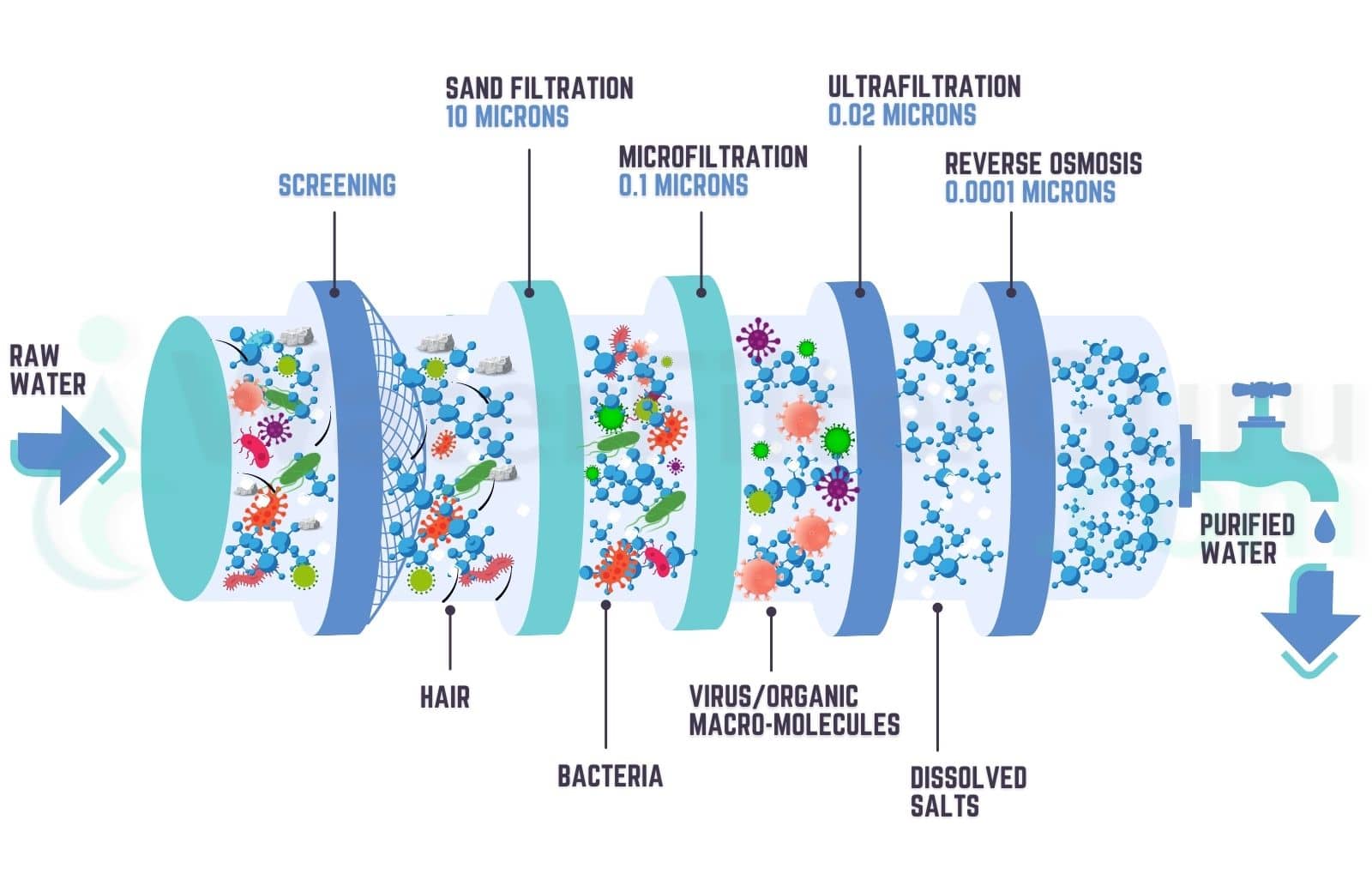 How to Remove Fluoride from Water: 4 Effective Methods
Let’s not ignore the elephant in the room: toothpaste. You’re probably scrubbing fluoride directly onto your teeth twice a day while worrying about your tap water. That’s like putting on a raincoat to avoid getting wet while standing under a waterfall. Your priorities may need a gentle recalibration.
So, what’s the verdict? If you want to eliminate fluoride, your best bet is a certified reverse osmosis system or an activated alumina filter. Don’t cheap out, don’t trust crystals, and don’t boil anything. You’re not a witch performing a spell—you’re a modern human fighting a ghost chemical.
In the end, remember this: your body already filters out most fluoride through your kidneys. Unless you’re drinking a swimming pool’s worth daily, you’re probably fine. But if the idea of a government in your glass keeps you up at night, spend the $200 on a filter. Your peace is worth more than a fancy coffee habit.
And if you see me at a café, I’ll be the one ordering tap water with fluoride—because I’m lazy, my teeth are semi-strong, and I have better things to worry about than the specific ions in my hydration. Cheers, or should I say… fluoride-free cheers?