That rotten egg aroma is actually a gas called hydrogen sulfide. It happens naturally when underground bacteria munch on decaying organic matter. Think of it as the fart of the earth's digestive system—charming, right?
But here's the cool part: the smell isn't necessarily dangerous to drink, though it sure can wreck a cup of coffee. It also leaves nasty black stains on silverware and sinks. So, let's send that sulfur packing.
Method 1: The Air Stripper (Your Water's Breather)
Imagine your water taking a deep, refreshing breath. That's essentially what an aeration system does. It sprays your well water into a tank, letting the sulfur gas escape into the air, just like bubbles popping in a soda.
It’s simple physics—the gas wants out, so you give it a door. You then vent that gas outside, far away from your nose. It's like opening a window in a stuffy room, but for your entire plumbing system.
The catch? You need a bit of space for the tank and a little electricity to run the pump. But for many homes, it's the most natural-feeling fix around.
Method 2: The Oxidizer (Chemical Karate Chop)
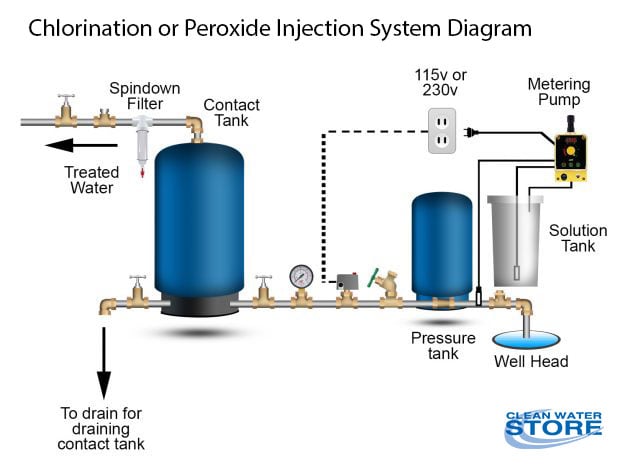
If aeration feels too gentle, you can go with a chemical reaction. This is where you introduce something like chlorine bleach or hydrogen peroxide to your water. These oxidizers attack the sulfur molecule and transform it.
It's like turning a stinky skunk into a solid, sinkable rock. Once the sulfur is oxidized, it becomes a tiny particle that can be caught by a simple filter. Goodbye gas, hello grit.
This method is powerful and works great even for high levels of sulfur. Just keep in mind you'll need to maintain a chemical supply and a filter that you change now and then. A little effort for water that doesn't fight back.
Method 3: The Special Filter (Manganese Greensand)
Ever heard of manganese greensand? It sounds like something from a fantasy novel, but it's actually a mineral-coated sand that acts like a sticky sponge. It traps sulfur and other metals like iron and manganese.
It works in a similar way to the chemical method, but it uses a built-in coating that regenerates with a small flush of potassium permanganate. Think of it as a self-cleaning oven for your water—pretty neat.
 Sulphur In Well Water Safe – Sulfur Smell In Water: Why It’s There
This is a top choice when your water has multiple villains, like both sulfur and that rusty orange iron. One filter, many problems solved. Efficiency is always a good look.
The Sneaky Culprit: Sulfur Bacteria
Here's where it gets really interesting. Sometimes, the smell isn't just from free-floating gas. It's from sulfur bacteria living in your well or pipes. These little guys produce the gas as they breathe, like tiny sulfur-farting factories.
To evict them, you might need to shock chlorinate your entire well. This is like a high-dose antibiotic bath for your water system, killing the bacteria and neutralizing the smell.
It's a temporary fix, though—the bacteria can move back in if they find food. Regular maintenance or a continuous chlorinator might be your long-term buddy. Think of it as pest control for bugs you can't even see.

