
Let me break it down without getting too techy (because I’m not an engineer, just a curious water snob). Reverse osmosis uses pressure to push water through a super-fine membrane that catches almost everything you don’t want. We’re talking dissolved salts, lead, chlorine, fluoride, even some bacteria—stuff that sneaks past regular carbon filters.
The whole house version means you install it at your main water line, right where the city supply (or your well) barges in. It’s like giving your entire plumbing a superpower—every faucet becomes a pure-water fountain. No more point-of-use filters under the sink that only save your drinking glass.
This isn’t a weekend DIY project, though. You’ll need a pro to install it (and maybe a small army for the tank and pre-filters), but once it’s in, your water transforms. Think about that for a second.
What You’ll Notice Immediately
First shower: holy slippery. Your soap will lather like a pro, and your hair might actually feel soft instead of straw-like. That’s because hard water minerals like calcium and magnesium are gone—they’re the reason you need a gallon of conditioner and a chisel to scrub your shower glass.
Your ice cubes will be crystal clear, not cloudy. Your coffee will taste like it was brewed on a mountain stream (okay, maybe a little dramatic, but you get the point). And those water spots on your stainless steel sink? Gone. It’s like having a maid for your appliances.
But here’s the kicker: your skin and hair will change. No joke—the chlorine and other irritants won’t be stripping your natural oils. My eczema-prone arms stopped flaring up after two weeks. I’m not a doctor, but my skin is definitely a fan.
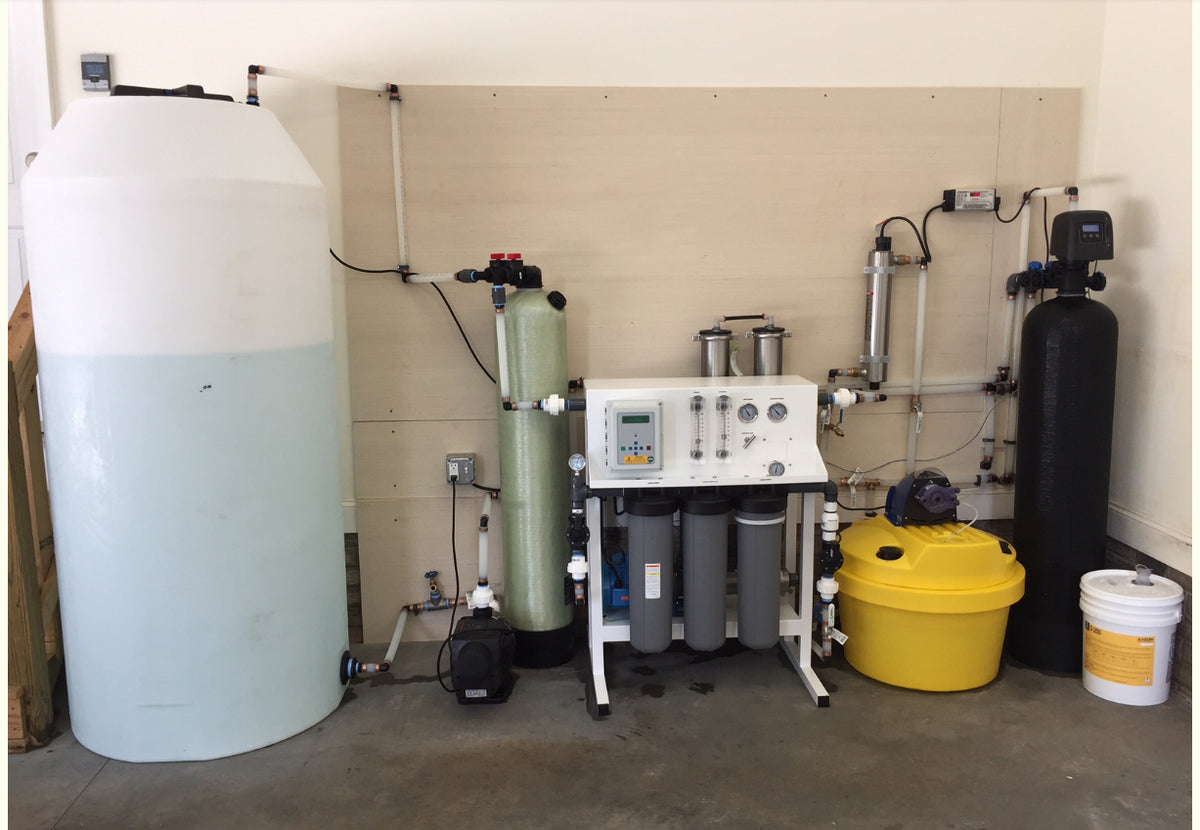 2000 GPD Whole House Reverse Osmosis Water System

