
Here’s where your kitchen sink comes in. The water from your tap is never a perfect 7. It’s usually a 6.5 to 8.5, because it’s packed with minerals, chlorine, and the ghosts of old pipes.
Think about that glass you just drank. It’s a chaotic cocktail of calcium, magnesium, and maybe a hint of garden hose. Pure water is like that one friend who eats only plain rice—it's theoretically ideal, but nobody actually lives like that.
Even the "pure" water in a lab has a secret. Once you open the bottle, it absorbs carbon dioxide from the air. This creates carbonic acid, dropping the pH to around 5.5. It becomes a little sour, like a whisper of a joke.
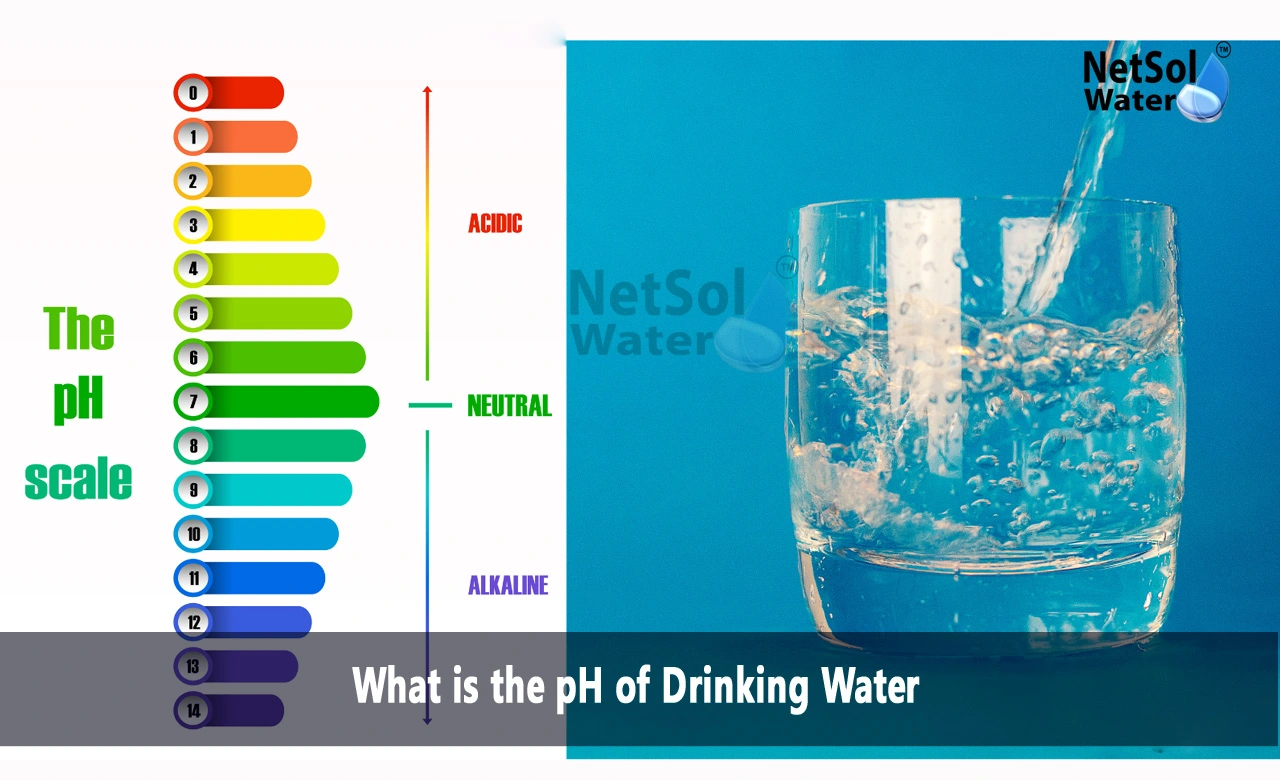 What is the pH of Drinking Water
Why Your Coffee Tastes Different
Ever notice how coffee from one house tastes better than another? It’s not just the beans. It’s the water’s pH. If your water is slightly basic (hard water), your coffee will taste flat and harsh.
But if the water is slightly acidic (like that CO2-infused lab water), it extracts different flavors from the grounds. You might get a bright, citrusy note. Or a metallic aftertaste that makes you question your life choices.
It’s water’s sneaky way of messing with your morning routine. Water is the quiet DJ in the background, deciding the vibe of your breakfast.

