
You’ll know it’s time to part ways when the smell moves from “earthy mushroom” to “damp basement socks that a cat died on.” Trust your nose—it evolved specifically for this moment. Ammonia is the big red flag. If the cheese smells like a cleaning supply closet, it’s breaking down too fast and is past its prime. Do not eat ammonia-smelling Brie. Your taste buds will never forgive you.
 How to Store Cheese and Keep it Fresh | Modern Milkman
Visual cues matter, too. A little liquid separation on the cut surface is fine—that’s just fat and moisture escaping. But if you see fuzzy pink, green, or black patches that aren’t part of the white rind, that’s foreign mold crashing the party. Toss the whole wedge. Likewise, if the rind oozes a sticky, gooey liquid like it’s crying for help, it’s time to say goodbye.
The “But Is It Still Edible?” Controversy
Here’s where things get weirdly philosophical. Brie is supposed to get softer, runnier, and stronger-smelling as it ages. That’s ripe, not rotten. A fully ripened Brie can be liquid gold in the middle—but only if it’s still within the window. I once ate a wedge that was three days past its date and didn’t die; I also once smelled a wedge that made me wonder if my fridge was haunted.
Surprising fact: In France, they don’t even have “best-by” dates on many soft-ripened cheeses like Brie. They rely entirely on look, smell, and the judgment of the cheese monger. So when in doubt, ask yourself: Would a French grandma eat this? If you imagine her raising one elegant eyebrow and sniffing it, you’re on the right track.
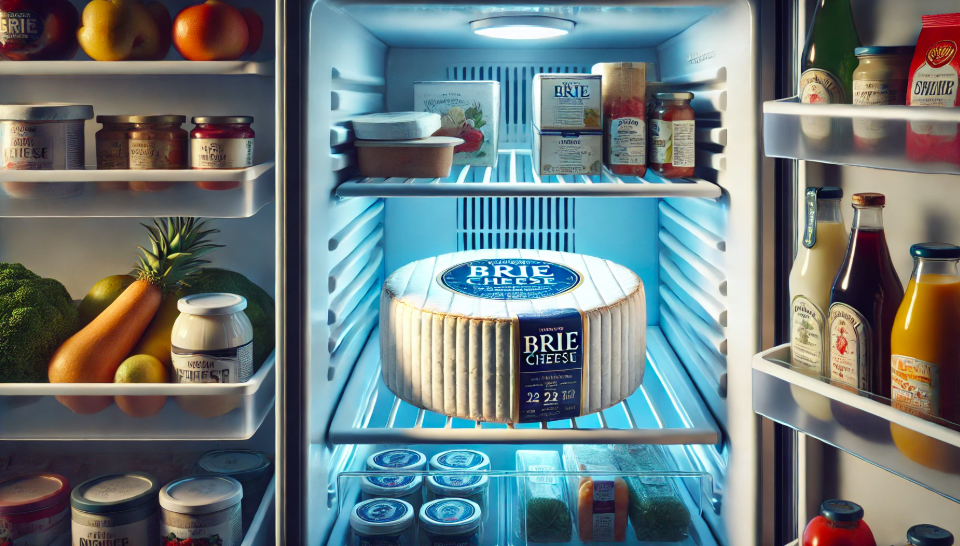 How Long Does Brie Last In The Fridge Unopened?

