Believe it or not, the water in your glass is ancient. It’s the same water dinosaurs drank, rained on knights, and filled the clouds above your great-grandparents. The Earth is a closed system: we don’t get new water, we just borrow the old stuff.
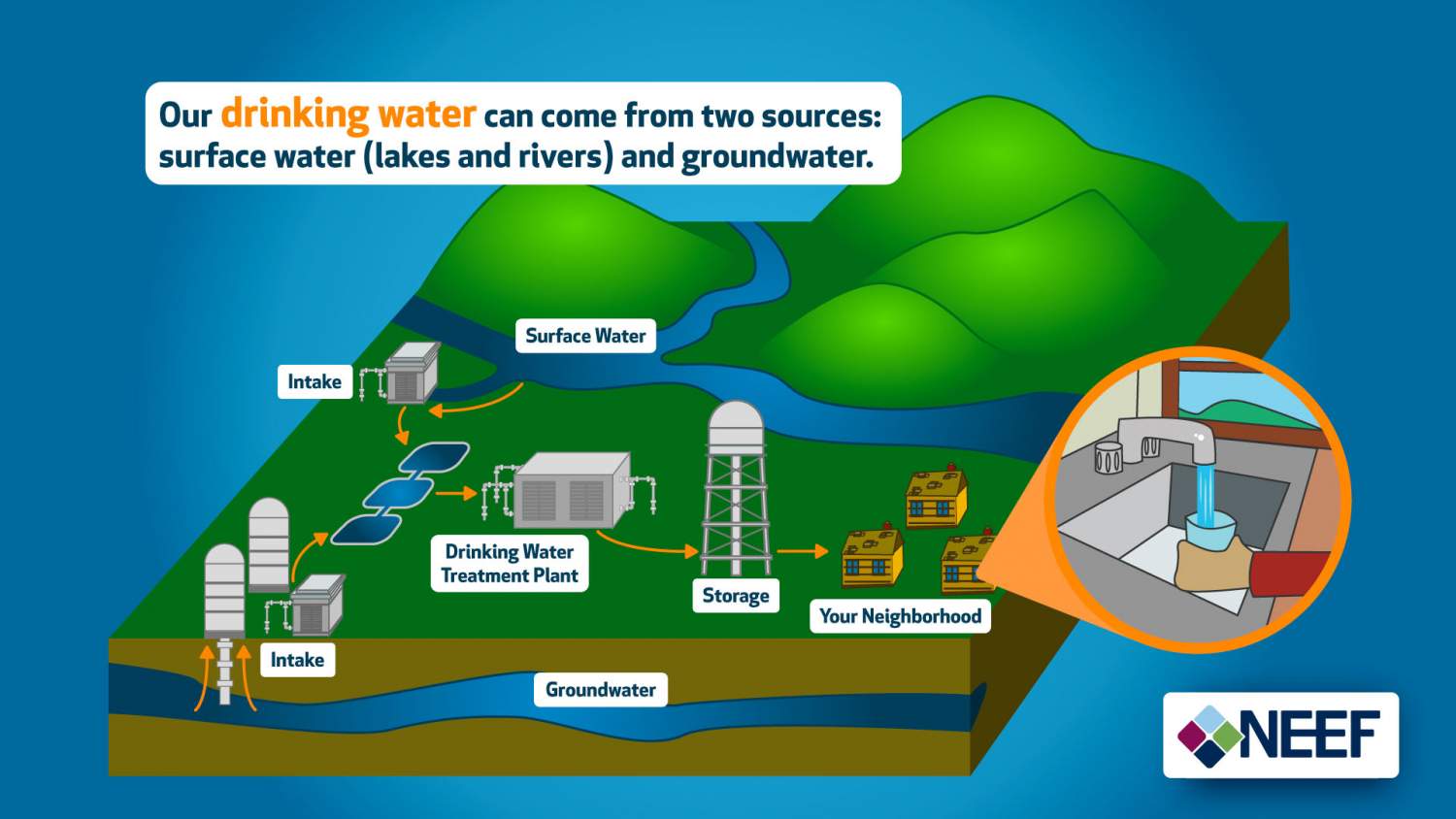
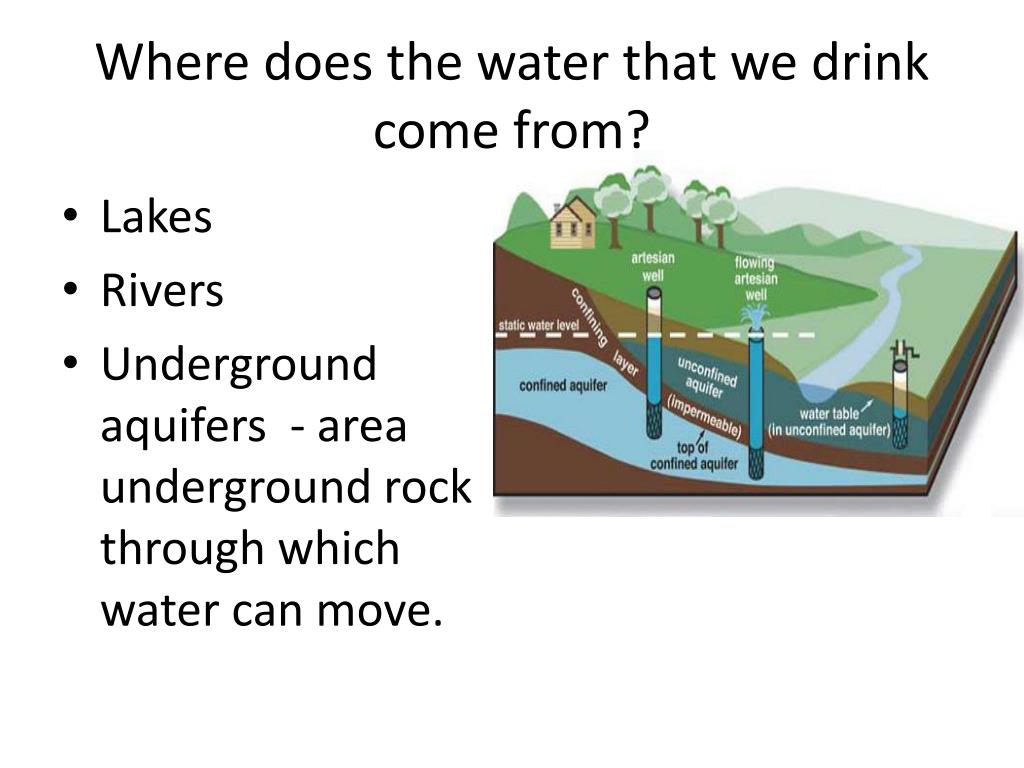
So where does it start? Most of our drinking water comes from two main places: surface water (rivers, lakes, reservoirs) and groundwater (water tucked away in underground rock layers called aquifers). Think of it as nature’s hidden treasure chest, except the treasure is wet and life-giving.
Surface Water: The Star of the Show
Turn on any tap in a big city, and chances are you’re sipping from a nearby river or lake. For example, New York City gets its water from the Catskill Mountains—a journey of over 125 miles through pristine streams. The water is so clean that it barely needs filtering before it hits your faucet. Fancy, right?
But here’s the kicker: that water didn’t just appear. It fell as rain or snow, trickled through soil, and made its way into a reservoir. Then it travels through concrete tunnels, pipes, and treatment plants. By the time it reaches your glass, it’s been on an epic road trip without leaving your neighborhood.
Groundwater: The Slow and Steady Hero
If you live in a small town or rural area, your water likely comes from underground—and that’s even more magical. Rainwater seeps through layers of sand, gravel, and rock over hundreds of years. During this slow crawl, the rock naturally filters out impurities. It’s like nature’s Brita filter, only it takes a few centuries to finish the job.
 PPT - Water Usage and Treatment PowerPoint Presentation, free download
Farmers love groundwater because it doesn’t evaporate or freeze easily. We extract it by drilling wells deep into aquifers (some as deep as the Empire State Building is tall!). Just imagine: the water you’re drinking today may have started its journey when Shakespeare was writing plays. Mind. Blown.