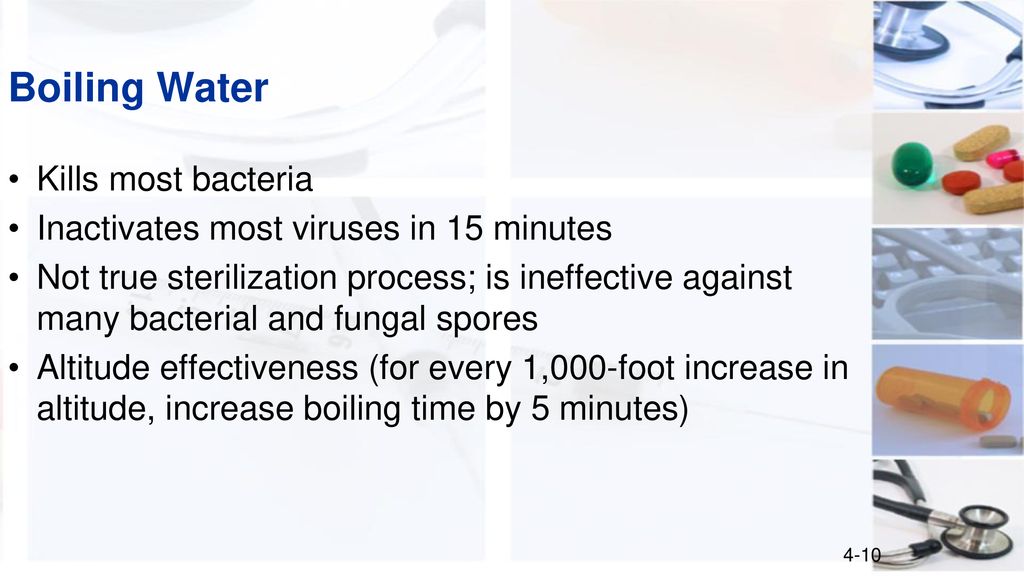
Here’s the plot twist: boiling water is a disinfectant for microbes, but it’s terrible at removing chemicals, heavy metals, or dirt. If your water looks like weak tea from sediment, boiling only makes it sterile mud. Lead, mercury, and pesticides don’t care about your rolling boil—they have tenure.
Think of it this way: boiling turns a germ-filled puddle into a germ-free puddle. It doesn’t turn turpentine into lemonade. So don’t boil toxic sludge and expect a miracle. Use a filter or let sediment settle first, then boil.
 Does Boiling Tap Water Purify It? What Boiling Really Removes—and What
Does Cooling It Down Re-Grow Bacteria?
You boiled your water, let it cool in a dirty cup, and now you’re suspicious. Yes, if you put sterile water into a germ-covered container, the bacteria can recolonize it. Boiling doesn’t make water permanently immune—it just gives you a fresh start.
Store boiled water in clean, sealed containers (like that mason jar you pretended you’d use for kombucha). Once it’s cool, drink it within 24 hours, or pop it in the fridge. Cold temps slow down the party crashers.

