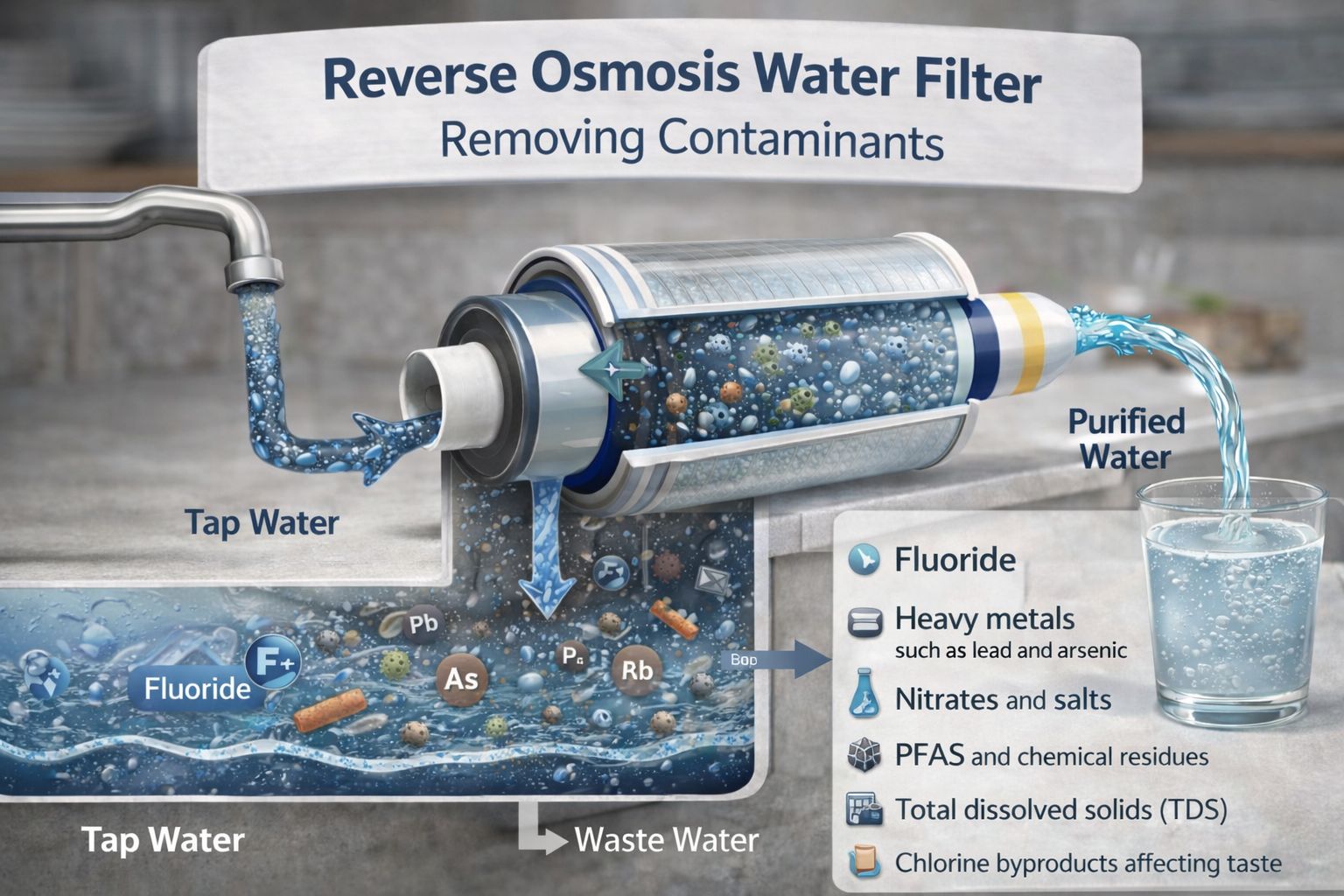
Fluoride isn’t evil—it’s actually a bit of a celebrity in the dental world. Since the 1940s, municipalities have added it to tap water to prevent cavities, a move the CDC calls one of the top public health achievements of the 20th century. But here’s the plot twist: not everyone wants the encore.
Some folks worry about overexposure, especially if they use multiple fluoride sources (toothpaste, mouthwash, and even some teas). Others are simply chasing that pure, “mountain spring” vibe at home. If you’re in the latter camp, RO is your ticket to fluoride-free hydration.
But don’t toss your toothbrush just yet. While RO removes fluoride, it also strips out beneficial minerals like calcium and magnesium. That’s why many modern RO systems include a remineralization filter—because crisp water shouldn’t taste like a chemistry experiment.
Practical Tips for the Fluoride-Curious
If you’re considering an RO system, start with a water test kit. Your local water utility can tell you if fluoride levels are high (typically 0.7 to 1.2 mg/L in the U.S.). Fun fact: some countries like Kenya and India have naturally high fluoride in groundwater, so RO is a literal lifesaver there.
Not ready for a full under-sink setup? Countertop RO filters exist, and they’re as stylish as a Scandinavian coffee brewer. Brands like AquaTru or Waterdrop make sleek units that fit on your counter without looking like industrial plumbing.
 Does Reverse Osmosis Remove Fluoride? - Rayne Water
Pro tip: replace your RO membrane every 2 to 3 years. A clogged membrane is like a lazy bouncer—it stops filtering properly. Also, flush the system weekly to prevent bacteria buildup. Your water deserves fresh vibes.