
But here’s where it gets interesting. After that first wild night, the UFC faced a huge problem: politicians hated it. Senator John McCain famously called it “human cockfighting” and tried to ban it outright in the late 1990s. The UFC was pushed to the edge of death, airing on late-night pay-per-view and nearly going bankrupt.
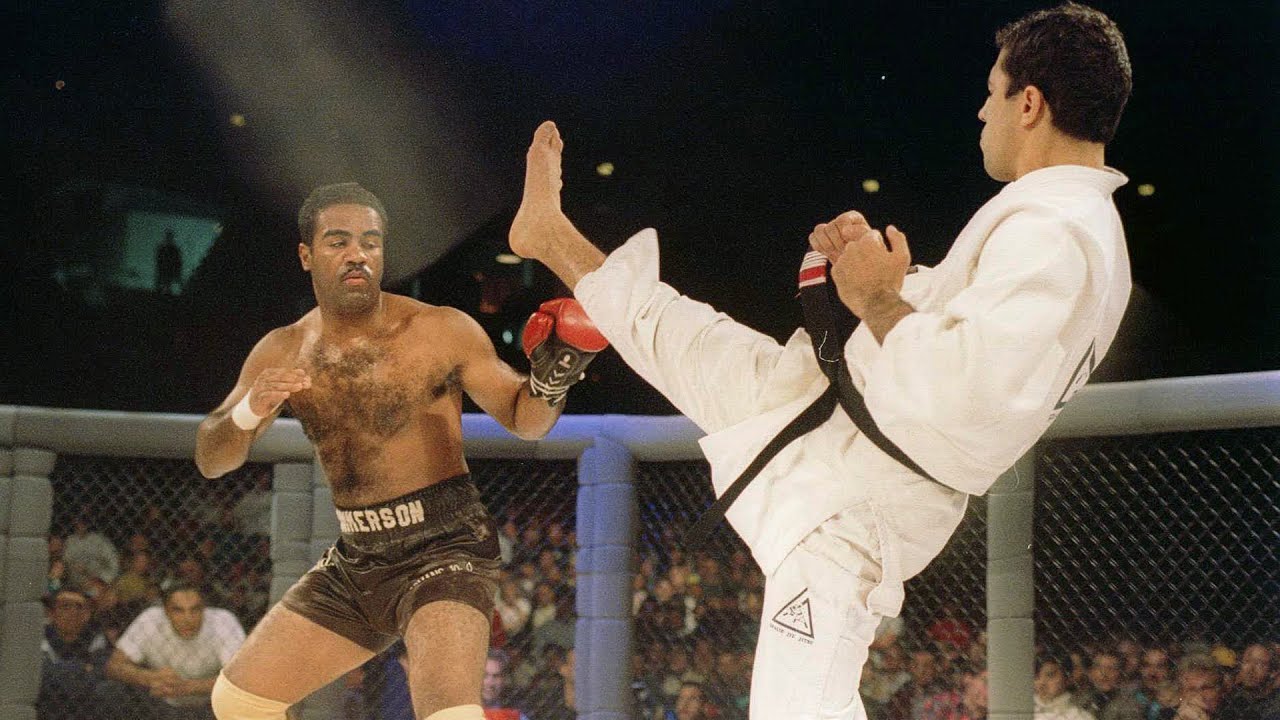 UFC 1: Remembering how MMA got its unlikely start in 1993
So, the owners did something smart. They added weight classes, introduced gloves, and created a unified rule set. It stopped being a brawl and started becoming a sport. That shift was huge—it turned the UFC from a freak show into something you could take your dad to watch.
The Modern Boom: When It Got Really Big
Fast forward to 2005, and you hit a major turning point. The UFC launched a reality show called The Ultimate Fighter, which brought fighting into living rooms across America. The finale featured a fight between Forrest Griffin and Stephan Bonnar that was so epic, people still talk about it today.
That night, the UFC went from a niche hobby to a mainstream monster. It’s like when your favorite indie band suddenly plays a stadium—you feel proud, but also a little surprised. Today, the UFC is a billion-dollar empire with events in Abu Dhabi, London, and even Madison Square Garden.

